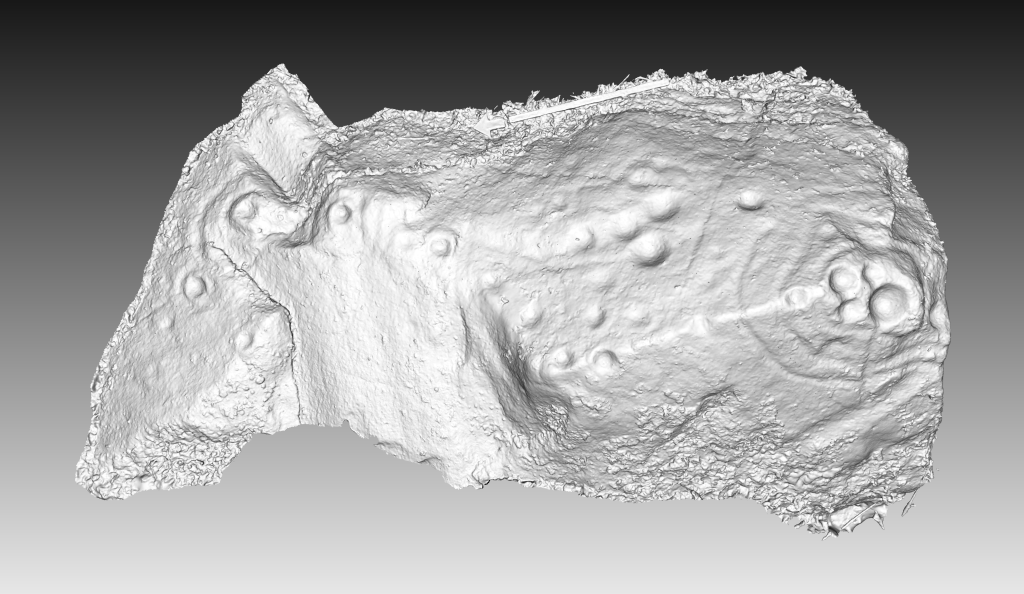
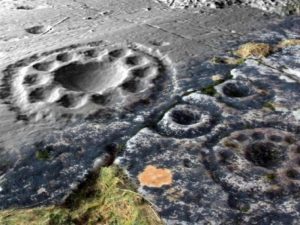
The most common techniques falling under the umbrella of digital recording methods are those that record surfaces in 2.5 and 3 dimensions, producing records that allow the visualisation and/or analysis of an object in controlled digital environments. The techniques most commonly used are laser scanning (Bryan 2015, Jaillet et al 2017, Historic England 2018), structure from motion photogrammetry (SfM) (see Lerma et al 2010, Chandler et al 2016, Jaillet et al 2017), structured and white light scanning, laser line scanning and Reflectance Transformation Imaging (RTI).


While RTI does not give a true 3D record, hence being classified as a 2.5D technique, it shares many features with the other techniques, and is particularly well-suited to analyse high-resolution surface details (Mudge et al 2006, 2008, Earl et al 2011, Díaz-Guardamino and Wheatley 2013, Díaz-Guardamino et al 2015). There is extensive experience in Scotland in the governmental, commercial and higher-education domains of applying these techniques. Consequently, there is a solid body of knowledge regarding their practical application as well as the selection of the most appropriate ‘tool’ for the job.

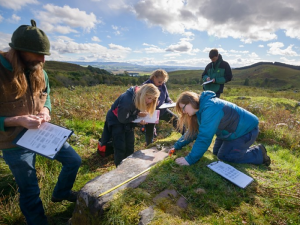
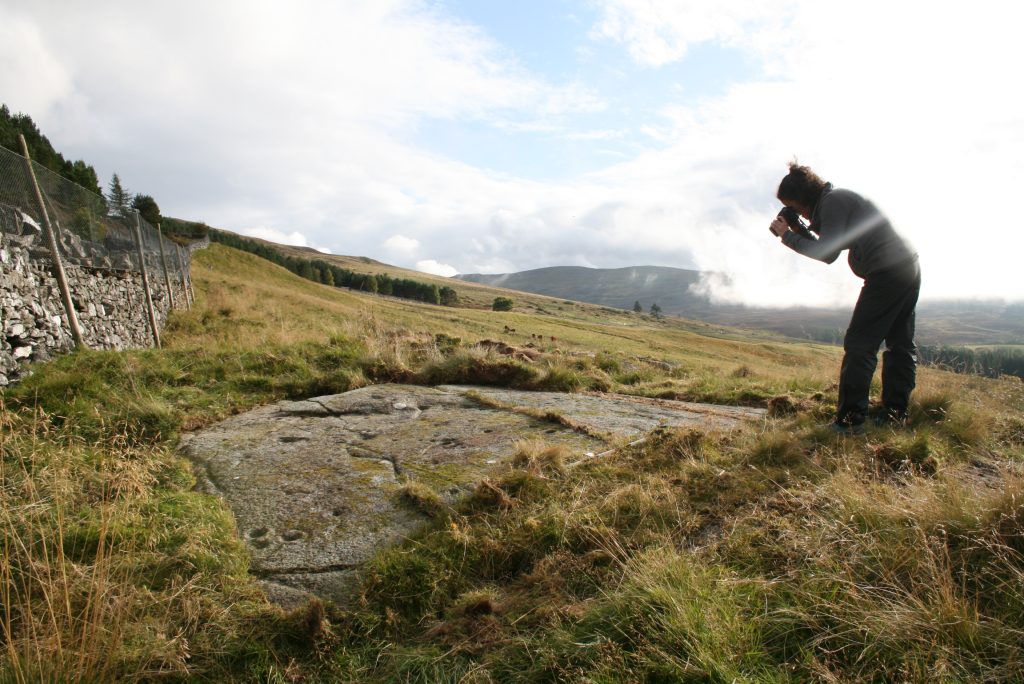
SfM and RTI in particular are comparatively low-cost, in relation to techniques such as laser scanning, and are now used widely for documenting rock art and carvings. Digital imaging techniques changed the nature of fieldwork by decreasing the time necessary to record and process rock art reproductions. Previously, traditional methods could take weeks from data capture to final product, whereas today this can be done in one day. During Scotland’s Rock Art Project (see ScRAP Case Study) community members and volunteers were taught how to create 3D models with SfM and make them available interactively through the online platform Sketchfab. This became the preferred technique to document carved panels across the country. Digital models are less subjective as they gather accurate quantitative data and provide details on features that are often nearly invisible.
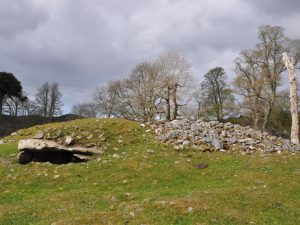
The use of digital models has changed the way we record, think, interpret, and understand the rock art tradition by opening new avenues of investigation. They have shown that we still do not know everything about rock art, and can sometimes be surprised by previously hidden details. This is the case of the axeheads and daggers carved on the trilithons at Stonehenge, which were only fully identified after a laser scan in the early 2000s (Goskar et al 2003, but see also Abbot and Anderson-Whymark 2012). Similarly, a recent photogrammetry model by independent researcher Hamish Fenton revealed the earliest prehistoric animal carvings known in Scotland, located on the capstone of a cist in the Early Bronze Age cairn at Dunchraigaig, Kilmartin (Dunchraigaig Case Study). Although this monument was excavated in the 19th century, the animals remained unknown until 2020. This was an important discovery which changed our perception of prehistoric rock art in Britain (Fenton 2021, Valdez-Tullett et al 2023). Further 3D documentation has been unveiling new details of carvings in other well-known monuments in Kilmartin Glen (Watson and Bradley 2021).
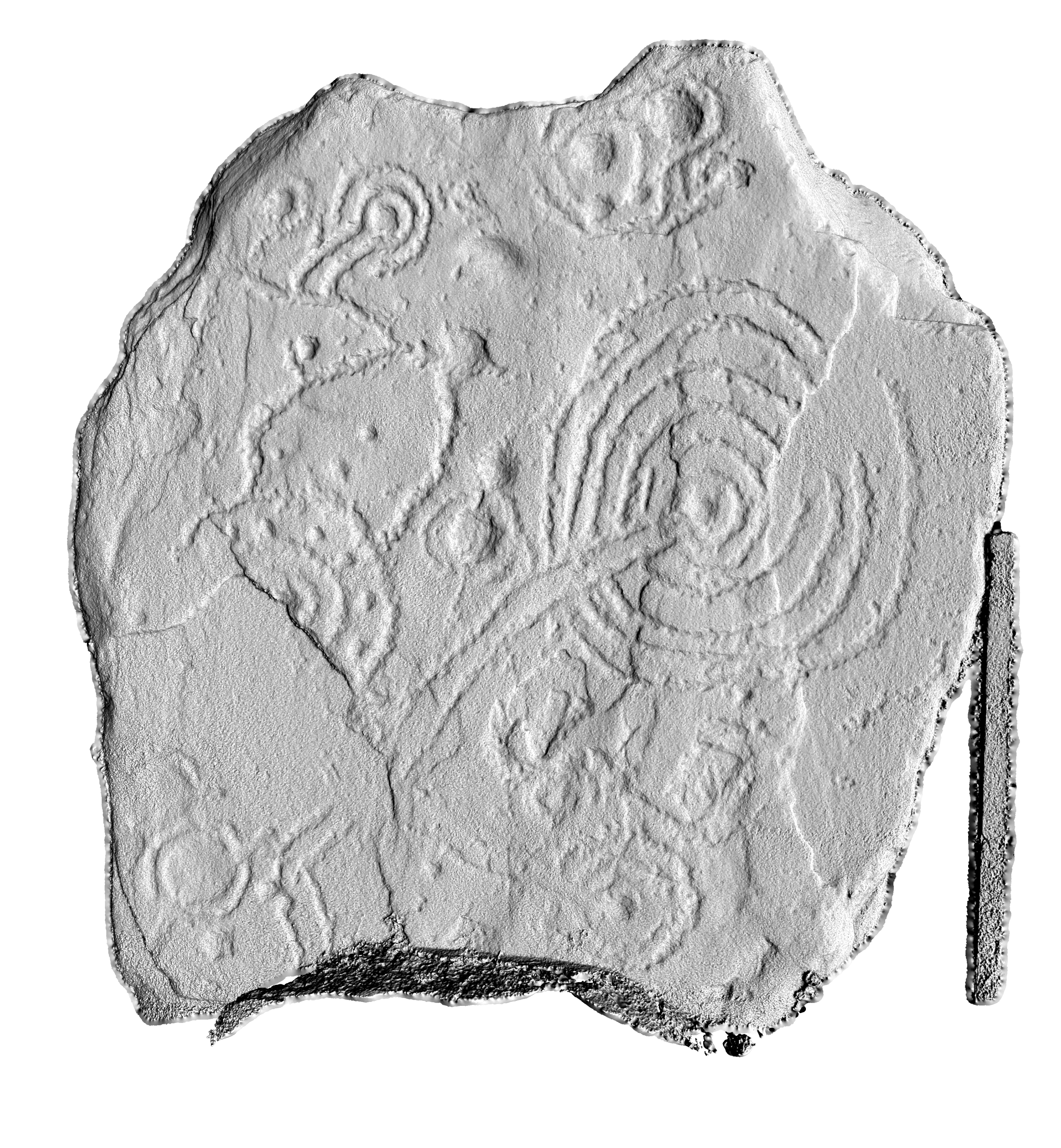
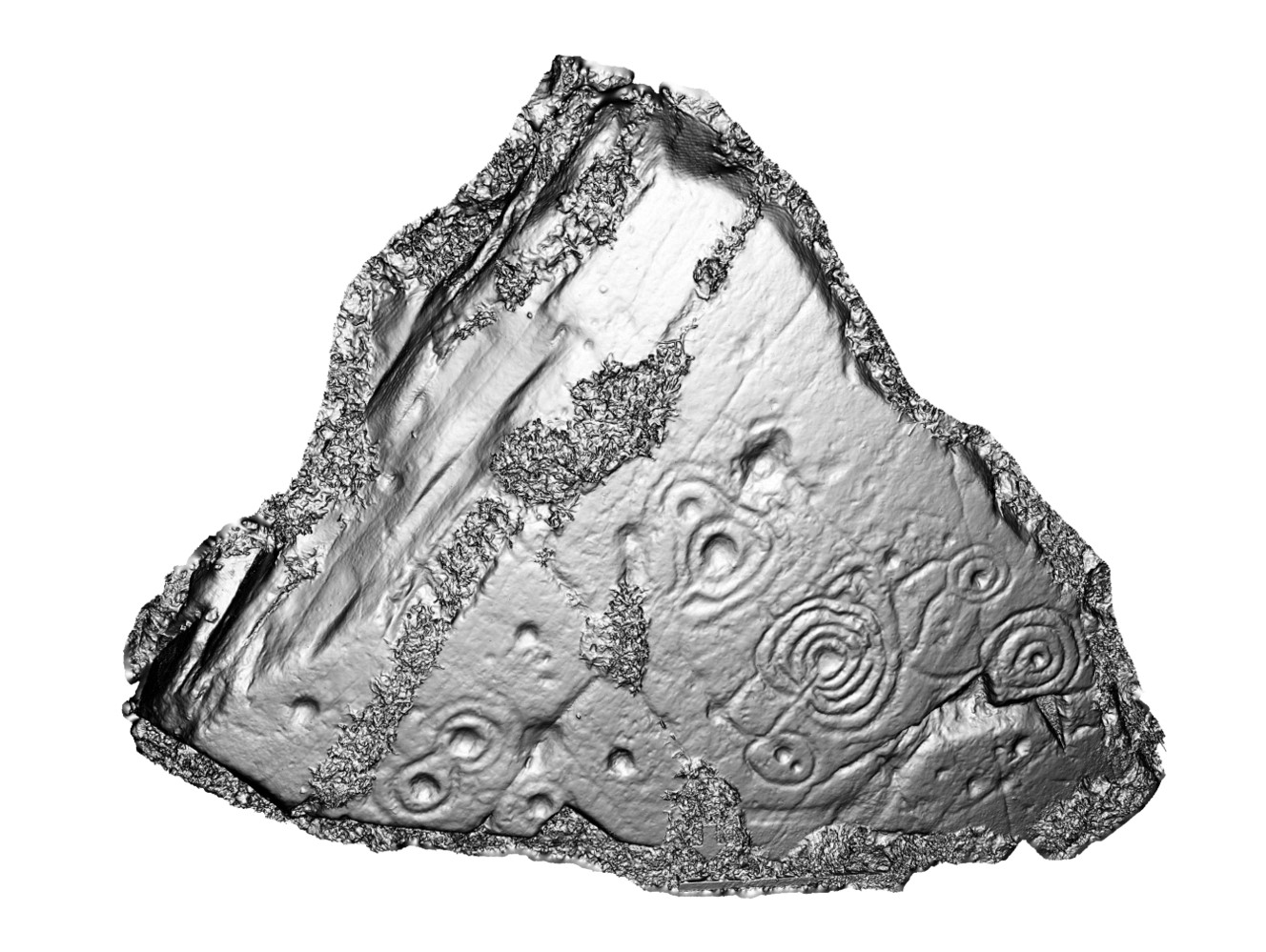
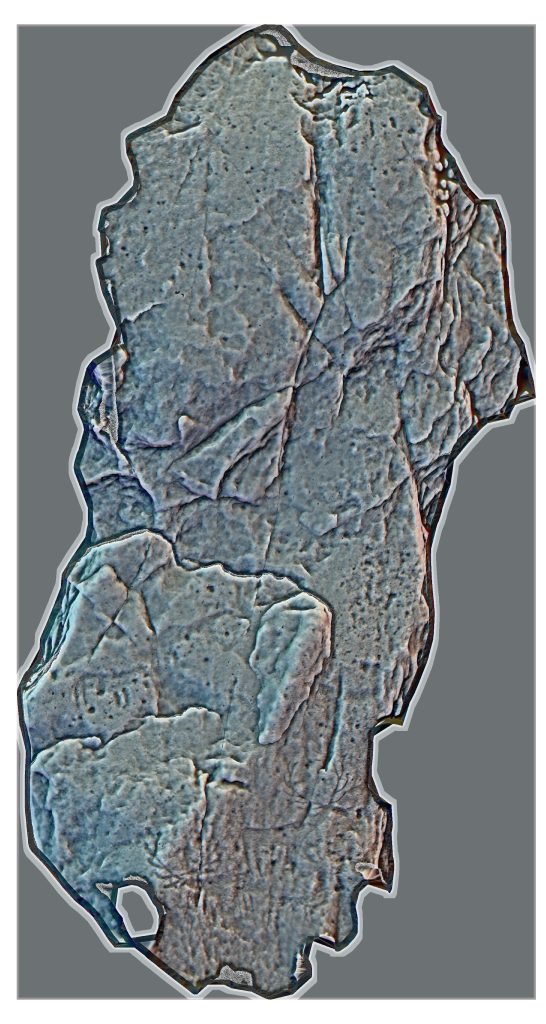
The records produced by these techniques can be used to perform the same functions as traditional records, but have a number of advantages and offer the potential of completely new modes of analysis and representation. They generate versatile records which are more easily distributed, more easily manipulated and have the capacity to be re-purposed in multiple ways e.g. to study surface condition (Condition monitoring at Ormaig: Case Study 37) or to create replicas. Features revealed in digital models can be analysed with a range of digital tools such as metric groove analysis (Kitzler Åhfeldt 2013) and virtual lighting (Jones et al 2015) (Imaging Techniques: Case Study 7). These records have particular utility in recording scripts or carving that lies over multiple or irregular surfaces, the comparison of current interpretations of designs with those in historic records, to distinguish original and later carvings and to distinguish between a stone’s natural and carved features.
For prehistoric rock art, 3D modelling has allowed the capture and analysis of the designs of the motifs, the relationship between them but also the relationship between the motifs and the topography of the stone, proving this to be a typical characteristic of the carving tradition in Britain. This extreme detail allows the discovery of the processes of creating the carvings, as well as subsequent changes in condition through weathering or other agents.