Digital technologies are also important tools for the conservation, safeguard and management of rock art which is exposed to multiple human and environmental threats (see 2.1.9 Threats and risks to rock art). They enable a comprehensive data capture and management, while 3D modelling of rock art sites provides a reliable baseline for the development of semi-automated monitoring (Barnett et al 2005, Ruiz López et al 2018).
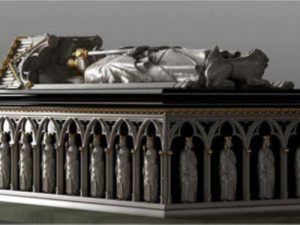
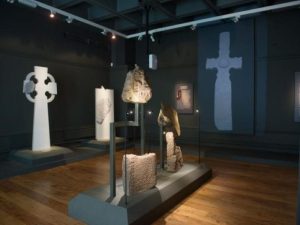
Additional benefits of 3D imaging recording methods include its use as the basis for replication including ‘3D printing’ (using either additive or subtractive methods), translating the digital into a form of physical replica with can be used for multiple purposes such as teaching, research and public display (Case Study 5: Robert the Bruce). This new form of replication raises a number of interesting issues that echo those arising from the growing awareness of the value of historic physical replicas both as analytical tools and important artefacts in their own right. Digital records, through their amenability to multiple forms of manipulation, also allow for the investigation of historic colour, likely original lighting conditions, and the ‘virtual’ placement of stones in their original landscape setting (Case Study 19: Cradle of The Scots).
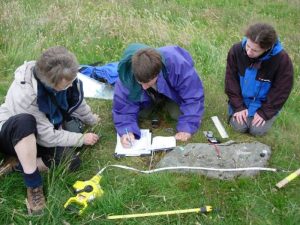
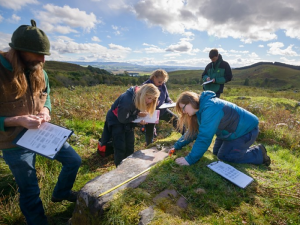
Finally, due to their visual and interactive nature, digital models are privileged resources for outreach, public engagement, and as tools to build relationships between heritage and communities. Digital technologies have been used as recording methods in public engagement and community projects which aimed at identifying and recording rock art. Northumberland and Durham Rock Art Pilot (NADRAP) and the Carved Stone Investigations: Rombalds Moor (CSIRM) projects (Sharpe 2021) were the first to employ these techniques (Case Study 29: Community engagement with rock art: the Northumberland and Durham Rock Art Project).
Subsequently, ScRAP was the first project to use 3D modelling systematically as part of its recording methodology (ScRAP Case Study). Between 2017 and 2021, a collaboration between researchers and over 200 volunteers resulted in the production of more than one thousand 3D models, which were shared online through Sketchfab, alongside all other data collected for each carved panel. The availability of rock art virtually through 3D models is vital in promoting awareness and inclusivity.