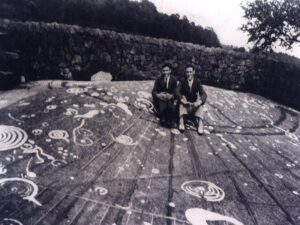
Prehistoric rock art is a unique and abundant part of Scotland’s historic environment but, is poorly understood, undervalued and often neglected relative to other types of carved stones and prehistoric monuments. The role of engagement in the cycle of valuing, understanding, and caring for rock art is well-established, but its power as an agent in this dynamic relationship has yet to be fully realised.
Traditionally, engagement with rock art is restricted to existing communities of interest, predominantly local archaeological societies and independent specialists. Low levels of awareness and engagement in the wider community are underpinned by issues with understanding, accessibility and contemporary value. These barriers are significant: the carved stones or panels are difficult to find, the motifs are challenging to see and comprehend, attempts are seldom made to enhance contemporary relevance of rock art, and there are few opportunities or incentives for more diverse, inclusive involvement.
These obstacles can be tackled through a spectrum of approaches designed for different audiences and forms of participation that fall within three broad categories; passive engagement, learning, and active engagement (Toolkit for Public Engagement). Each approach should be constructed around core objectives of diversity, inclusion and community well-being. In the longer-term, these objectives have potential for inculcating a new sense of social value, understanding and awareness within the wider community, and embedding the knowledge, skills and capacity necessary for fostering change.
Passive engagement is arguably where attention has been most lacking. There is little promotion of easily accessible information to the wider public, and rock art rarely features in popular media. The National and international press coverage of the discovery of animal carvings at Dunchraigaig in Kilmartin in 2021 being the notable exception, although, at the time, this publicity largely overlooked Atlantic Rock Art in Scotland (see Dunchraigaig Case Study). Aside from several panels in Kilmartin Glen, Ballochmyle in Ayrshire, Drumtroddan and High Banks in Dumfries and Galloway, and rock art displayed in museums, there are few opportunities or incentives for people to physically encounter rock art.
Accessible guidance and information play a valuable role in encouraging wider awareness. In particular, learning from an early age is important in developing a legacy of understanding and safeguarding rock art. Rock art has immense potential for inspiring creativity and imagination in young people, and it has been used innovatively as a dynamic learning resource in recent years. Motifs have been carved in soap, chalked in playgrounds, woven into comic book stories, and animated in films through projects by Archaeology Scotland, Glasgow University, Kilmartin Museum, and Forestry and Land Scotland, among others. Resources such as A Song in Stone, produced by Forestry and Land Scotland in collaboration with Kilmartin Museum and Scotland’s Rock Art Project (ScRAP) offer structured indoor and outdoor learning opportunities (Barnett et al 2021a).
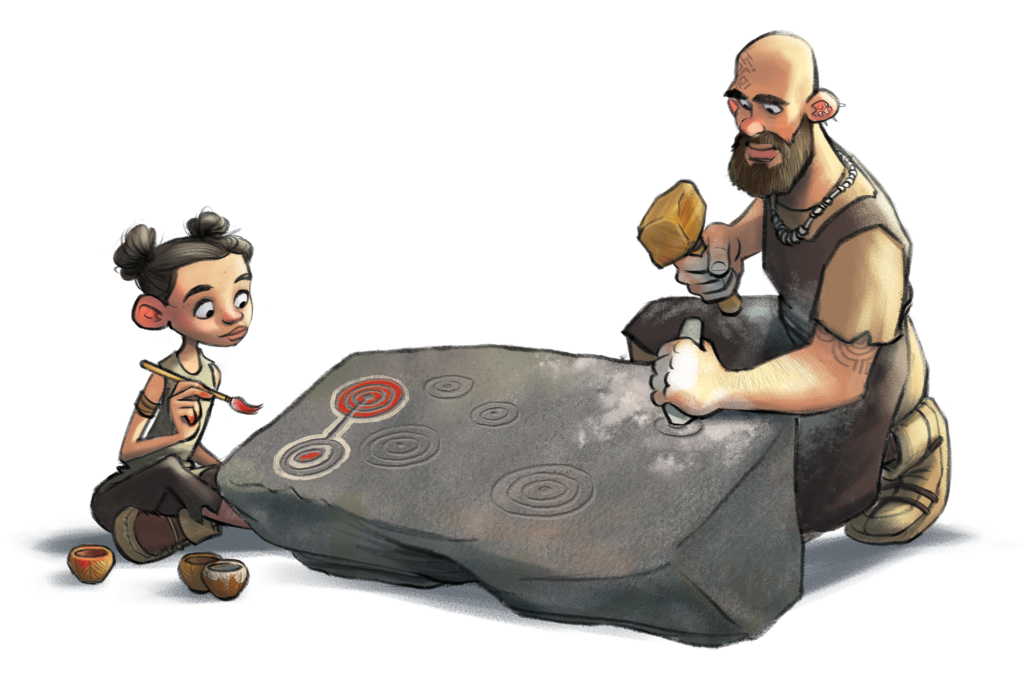
Glasgow University’s ground-breaking work in Faifley, West Dunbartonshire, led by Kenny Brophy, engaged local school pupils with ‘urban’ rock art on their doorstep through a range of outdoor and classroom-based activities that drew in the wider community and grew into a larger project, FaifleyRocks! (see Cochno Stone Case Study). The impact of this community engagement project was recognised in a session at the Scottish Parliament in 2019. Initiatives such as these are crucial in making rock art more accessible, and re-inventing it in ways that everyone can enjoy, relate to and celebrate today.
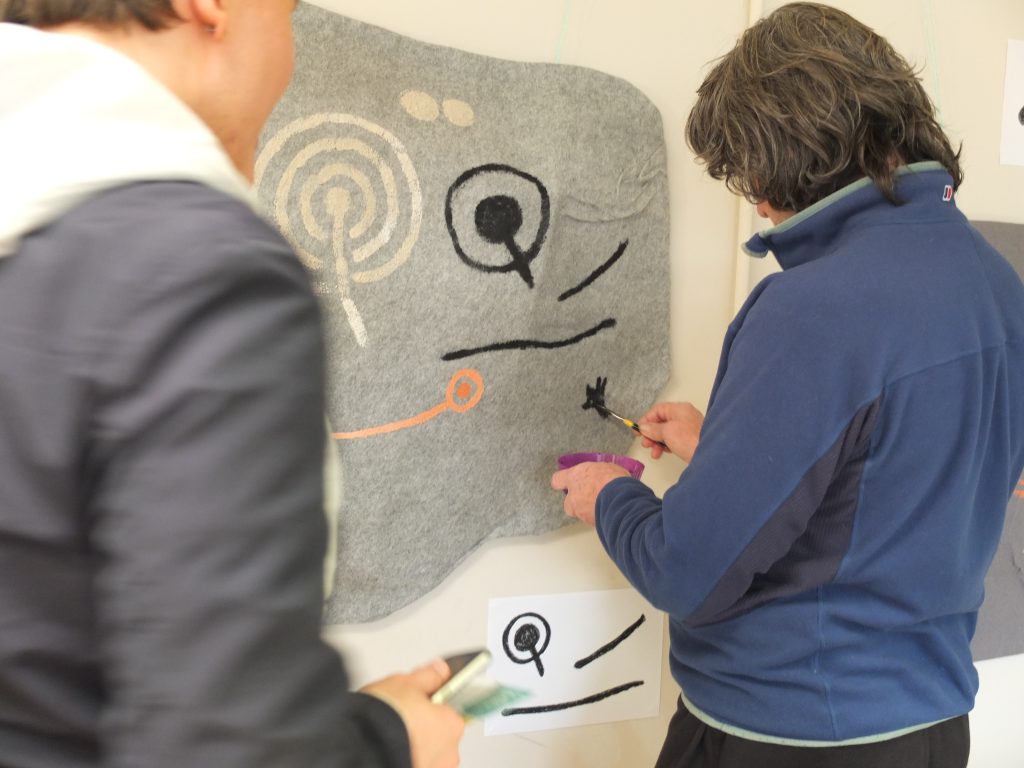
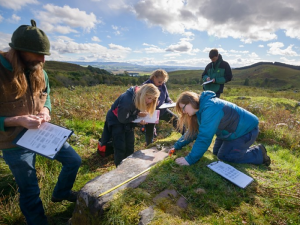
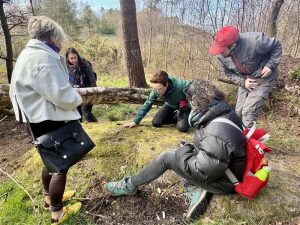
Recent years have also seen important advances in active community engagement through programmes such as ACCORD and ScRAP, which enhanced knowledge and understanding of rock art through community co-production at a national scale (Barnett 2023, Barnett et al 2021b, Jeffrey et al 2015, see ACCORD Case Study and ScRAP Case Study). More locally-based projects, including FaifleyRocks! and community rock art excavations at Carnasserie in Kilmartin and Aberfeldy, Perth and Kinross, run by Archaeology Scotland, have been highly effective in reaching out to new communities of interest.
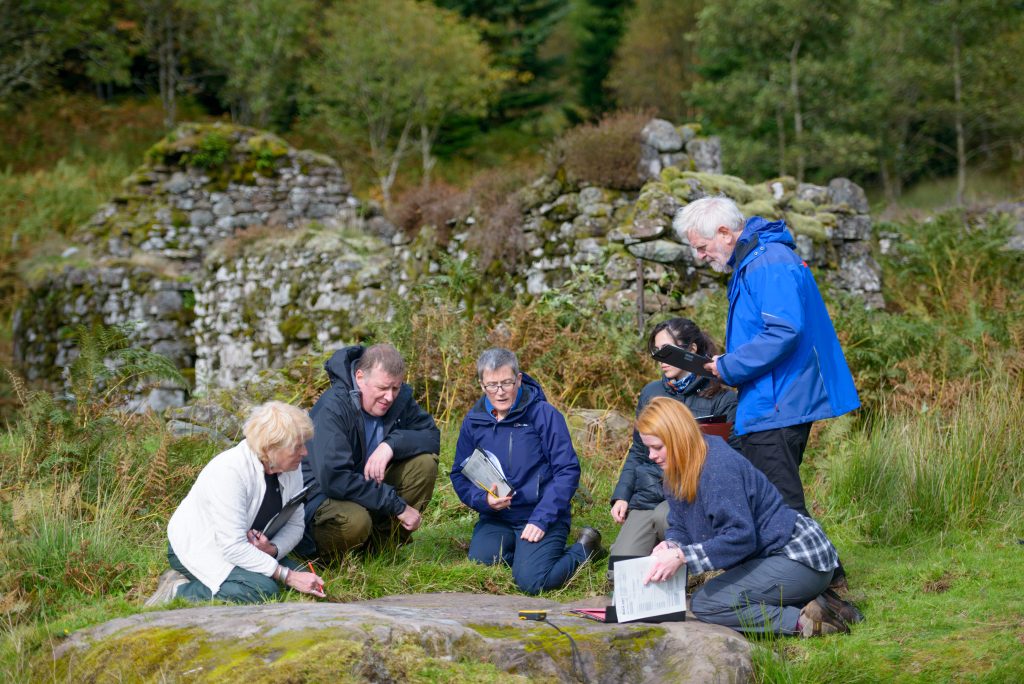
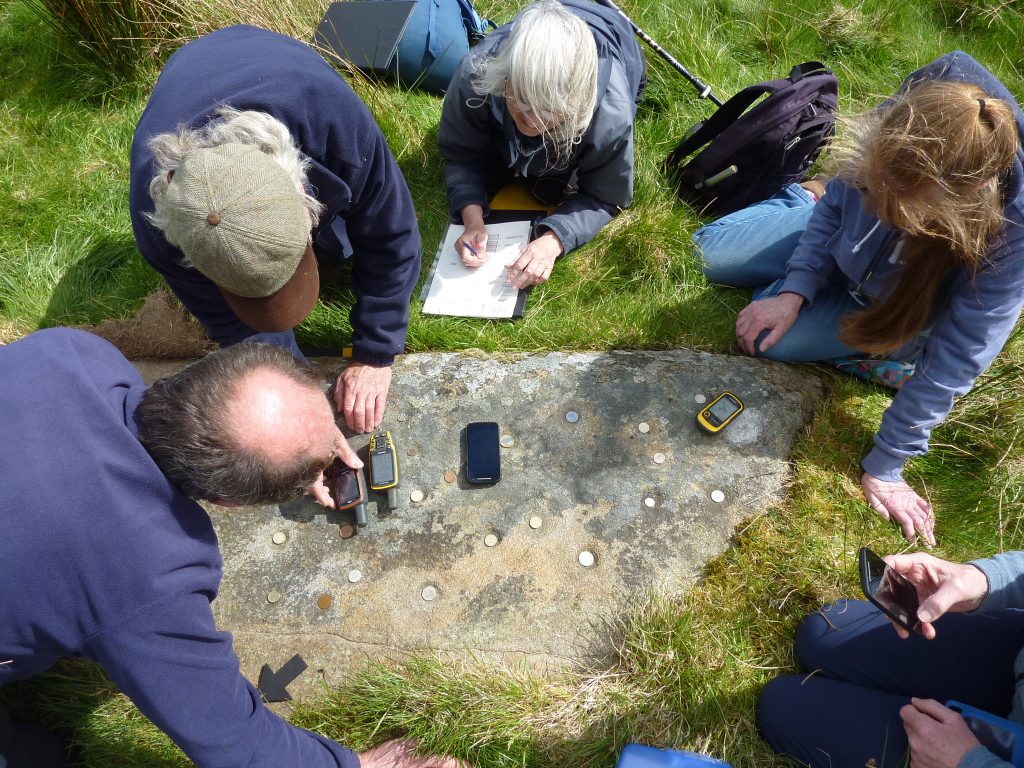
Projects such as these have helped to alter public and professional perspectives. They have demonstrated that meaningful engagement has a significant impact on people’s sense of value, and our attitudes and actions towards rock art (see Contemporary Social Significance Case Study).