Human remains in Scotland
The majority of burials discovered in Scotland are either inhumations (where the body is buried) or cremations (where the body is burnt before burial). Discrete inhumations (individual burials) allow full bioarchaeological analysis of individuals as well as the full application of isotopic and aDNA analyses. Funerary practices that involve comingled and partial but unburnt remains, such as in Neolithic chambered tombs, allow for skeletal pathology to be recorded but place limitations on the assessment of health status of both individuals and the wider group. Isotope and aDNA analysis can still be used but the nature of a comingled assemblage changes the questions these techniques can be applied to.
Cremation places significant limitations on bioarchaeological analysis through destruction and fragmentation of bone and, while cremations can be radiocarbon dated, the high temperature makes adequate aDNA preservation unlikely. Isotopic analyses are also affected as the burning process alters the carbon and oxygen contents of the bone. Up until recently, this ruled out dietary studies, however, recent research has proven that strontium isotope analyses of the petrous part of the temporal bone can still provide insight into migration of individuals (Snoeck et al 2025, Wolska 2020).
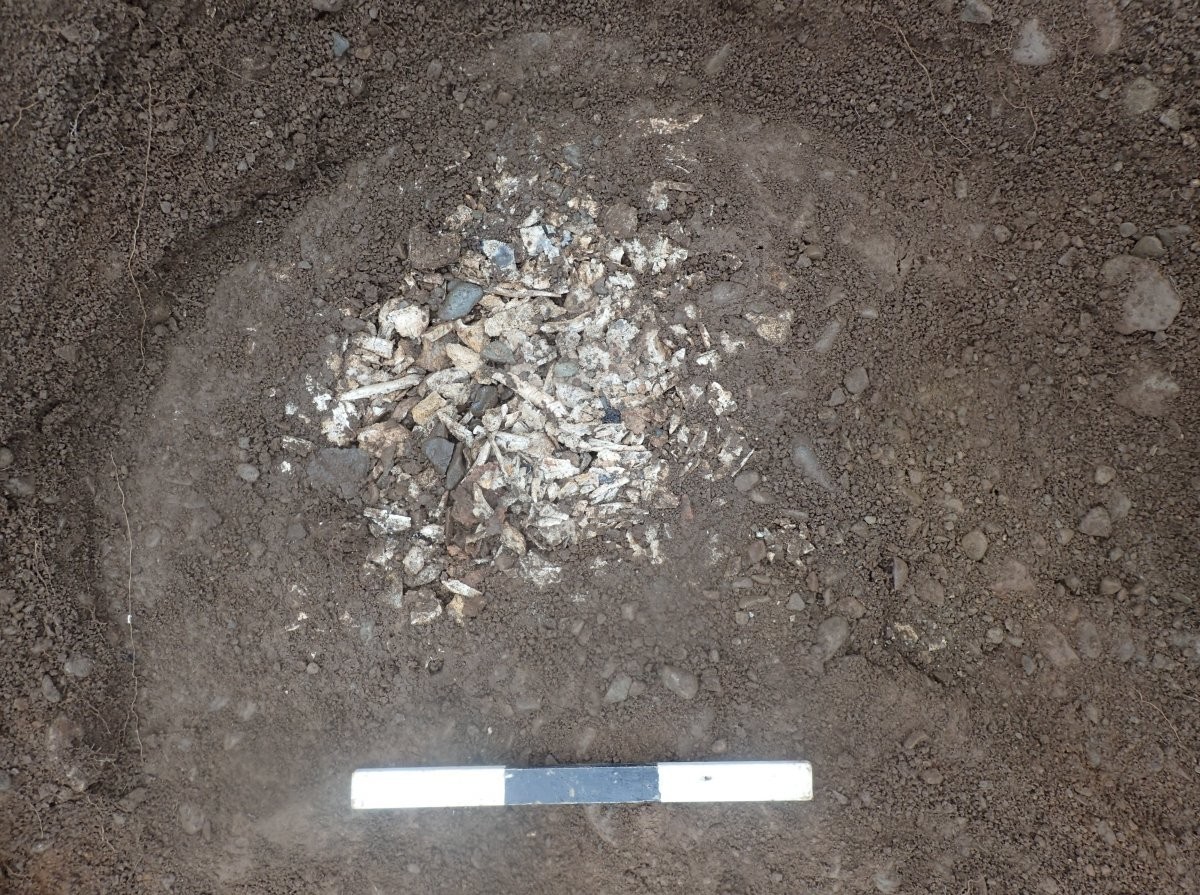
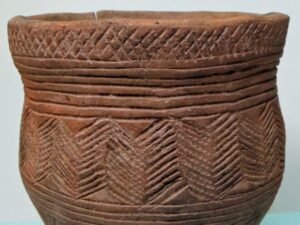
The manner in which burials are deposited plays a role in both discovery and preservation. Sites featuring large numbers of individuals or monuments such as chambered tombs are more archaeologically visible. Cremated remains deposited in stone cists and cinerary urns are both more archaeologically visible and are provided with a better environment for preservation of the remains. Cremations buried in pits, without an urn, leave the bones more at risk from disturbance and degradation.
The date of discovery of some sites has an impact on bioarchaeological analysis. Interest in Scotland’s past has a long history and methods of excavation, recovery and selection of material to be kept versus discarded has changed over time. Many of the antiquarian excavations of the 19th century were well recorded and published in detail, such as the The Dalmore Cist Burials, where a series of prehistoric burials were systematically recorded and reported throughout the project, including in the Proceedings of the Society of Antiquaries of Scotland (Jolly and Aitken 1879; see HighARF Case Study: Bronze Age cemetery at Dalmore, Easter Ross).
However, the retention of the human remains following their analysis varied by project. Human remains excavated in the latter half of the 20th century and into the 21st century tend to be far more complete, or at least as complete as preservation allows, and accompanied by reports ranging from a brief write up in Discovery and Excavation in Scotland through to full monographs.
In the past, anatomists collected archaeological remains as well as anatomical specimens. In the late 19th and early 20th centuries, craniology, or the study of the morphology of the skull, was a popular subject of research. As a result, the majority of the archaeological bones collected by anatomists were crania, with the post-cranial remains either discarded at the point of discovery or long since lost. The recording of the archaeological context of these remains is also variable. The archaeological remains collected by Sir William Turner, anatomist at the University of Edinburgh, primarily consist of skulls. The archaeological context of these remains, which now reside in the collections of National Museums Scotland, were recorded in relative detail by Turner in his Contribution to the Craniology of the People of Scotland (1905, 1916). Other archaeological crania collected by anatomists often have little associated information beyond a note that may be as brief as ‘Orkney. Ancient.’ with no further details of the archaeological context.
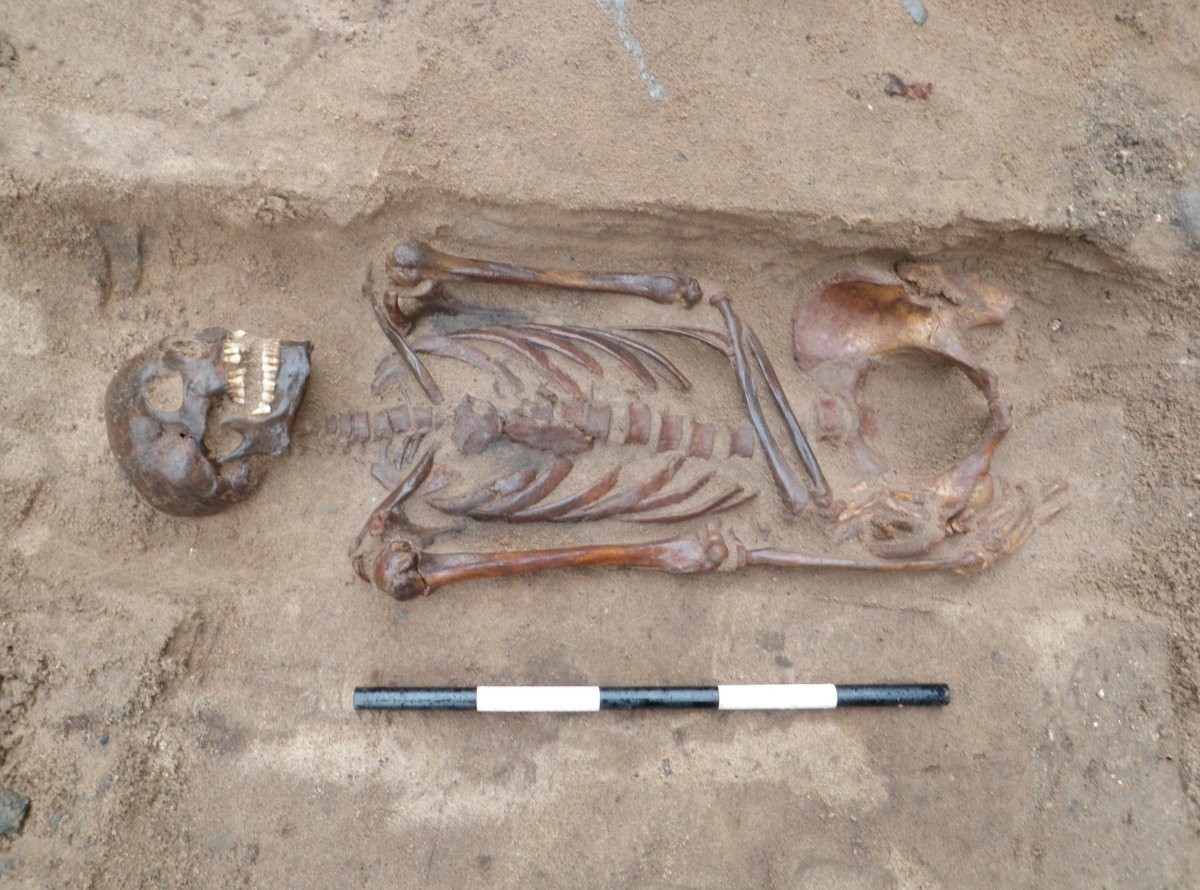
As the population of Scotland has increased as the years pass, the number of individuals awaiting archaeological discovery increases through time. The number of individuals from prehistoric sites is low, while the increase in population size through into the medieval and post-medieval periods is reflected in larger assemblages with cemeteries often containing hundreds of individuals. Larger assemblages allow for more in-depth assessments of health in the past and deeper understanding of past populations, although a great deal can still be discovered from smaller numbers of individuals across a range of sites.
| PERIOD | SITE | NO. OF INDIVIDUALS | REFERENCE |
| Neolithic | Quanterness, Orkney | 157 | Chesterman 1979 |
| Neolithic | Isbister, Orkney | 341 | Chesterman 1983 |
| Neolithic | Quoyness, Sanday, Orkney | 14 | Wells 1952 |
| Bronze Age | Barns Farm, Dalgety Bay, Fife | 24 | Lunt and Barnetson 1982 |
| Bronze Age | Various, NE Scotland | 60 | Shepherd and Bruce 1982 |
| Bronze Age | Sketewan, Balnaguard, Perth and Kinross | 21 | McSweeney 1997 |
| Iron Age | Dunbar, East Lothian | 21 | Brothwell and Powers 1966 |
| Early Medieval | Kneep, Uig, Isle of Lewis | 7 | Welander et al 1987 |
| Early Medieval | Four Winds, Longniddry, East Lothian | 8 | Lorimer 1992 |
| Early Medieval | Hallow Hill, St Andrews, Fife | 93 | Lunt 1996, Young 1996 |
| Late Medieval | Isle of Ensay, Outer Hebrides | 316 | Miles 1989 |
| Late Medieval | Whithorn, Wigtownshire | 1092 | Cardy 1997 |
| Late Medieval | St Marys Kirk Hill, St Andrews | 330 | Bruce et al 1997 |
| Late Medieval | Holy Trinity, St Andrews, Fife | 27 | McSweeney 2008 |
| Late Medieval | Linlithgow, Perth, Aberdeen | c. 343 | Cross and Bruce 1989 |
| Neolithic to Medieval | Scotland | 322 | Lunt 1974 |
In the past, with some few exceptions, studies in archaeological human remains in Scotland were largely carried out on a case by case basis, driven mainly, as with archaeology in general, by developer-funded excavation (for example O’Sullivan 1994, Rees 2004). Many of these were cremation burials (eg Mercer et al 1997, Neighbour et al 2005). Some larger studies were also carried out in the later 20th century. The table above illustrated the number of studies carried out up until 2012 when the first ScARF Archaeological Science Framework was written.
Research into archaeological human remains in Scotland has increased significantly since the publication of the Archaeological Science framework in 2012. A large number of sites have been excavated, many that had been excavated previously have been published and become accessible for research, and the number of researchers working on Scotland’s archaeological human remains has increased. Increasing research potential and investment in aDNA and isotope analyses has also resulted in growth in the use of these techniques.
Archaeological human remains are increasingly being subject not just to standard bioarchaeological analysis but also to radiocarbon dating, and isotopic and aDNA analysis. The aDNA data gathered by researchers is presented in Discovery and Excavation in Scotland each year. The breadth of analysis has been applied to newly excavated sites but assemblages from older excavations are also being re-examined. This is increasingly adding insight into Scotland’s past populations by filling in the map of securely dated burials, evidence of diet and migration, and understanding of ancestry and population change over time.
Human remains from the Palaeolithic and Mesolithic are scarce and largely consist of isolated discoveries of disarticulated and fragmentary remains rather than any formal burial practice. This makes analysis of the Scottish population of these periods problematic and even isotopic and aDNA analyses are limited. Just six individuals have been sampled for stable isotope analysis from Mesolithic Scotland and only one aDNA sample has been sequenced (Pickard et al 2025). These individuals were all from shell-midden sites on Oronsay, five from Cnoc Coig and one from Caisteal nan Gillean II (Pickard et al 2025, Pickard and Bonsall 2020).
The Neolithic period brought changes in the population in both the number of individuals and the visibility of human remains in the archaeological record. Chambered or passage tombs are common in the Neolithic, with some containing vast assemblages of disarticulated human remains, animal bone and material culture, while others are largely empty. Barrows and cremations buried in pits also occur but are less common (Sheridan 2020). Disarticulation and commingling of remains makes bioarchaeological analysis of individual health status limited but an overview of the assemblage can provide insights into the group and aDNA analysis is now being applied to examine patterns of kinship within and between tombs (Cummings et al 2026).
Burial practice changes further throughout the Bronze Age when the collective burial of the Neolithic was replaced by individual inhumations followed by cremation becoming more common as the Bronze Age progressed. There was, however, a great deal of variation and multiple types of burial practice have been found in the same site. At Cairnpapple Hill, a major Neolithic and Bronze Age site in West Lothian, excavations uncovered an inhumation in a pit marked by stones, two stone-cists containing a food vessel and a cremation, and a burial cairn with pits cut into the west and south sides containing cremations in cinerary urns (Piggott et al 1950). Short cists were used more commonly than pits, sometimes as individual graves and sometimes in cemeteries. The increase in the number of individual inhumations allows for more detailed bioarchaeological interpretation, although the total number of individuals is still low compared to later periods.
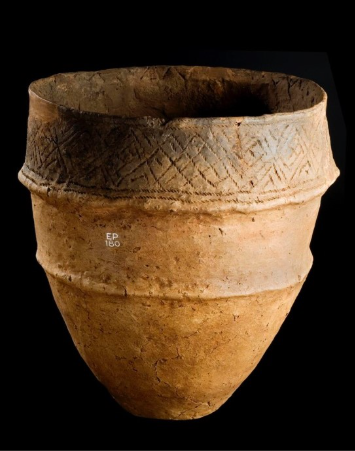
The Iron Age presents further developments and diversity of burial practice ranging from excarnation to cists to cremation. There are frequent deposits of disarticulated human remains. Some individuals appear to have been allowed to decay in protected environments prior to burial, such as the non-adult from Hornish Point, South Uist. Small cemeteries are found across Scotland, featuring pit or short cist burials, such as at Broxmouth where nine inhumations were found, or long-cists as seen at Galson (Armit et al 2013, Stevenson 1954). The largest assemblage is from Knowe of Skea in Orkney, where the remains of just over 200 individuals were found, including a large number of perinates and young non-adults (Gooney 2015). In southern, central and eastern Scotland there a number of Roman sites, including Musselburgh Primary Health Care Centre where six Roman-period inhumations were found, four of which had been decapitated prior to deposition in the grave (Kirby et al 2020).
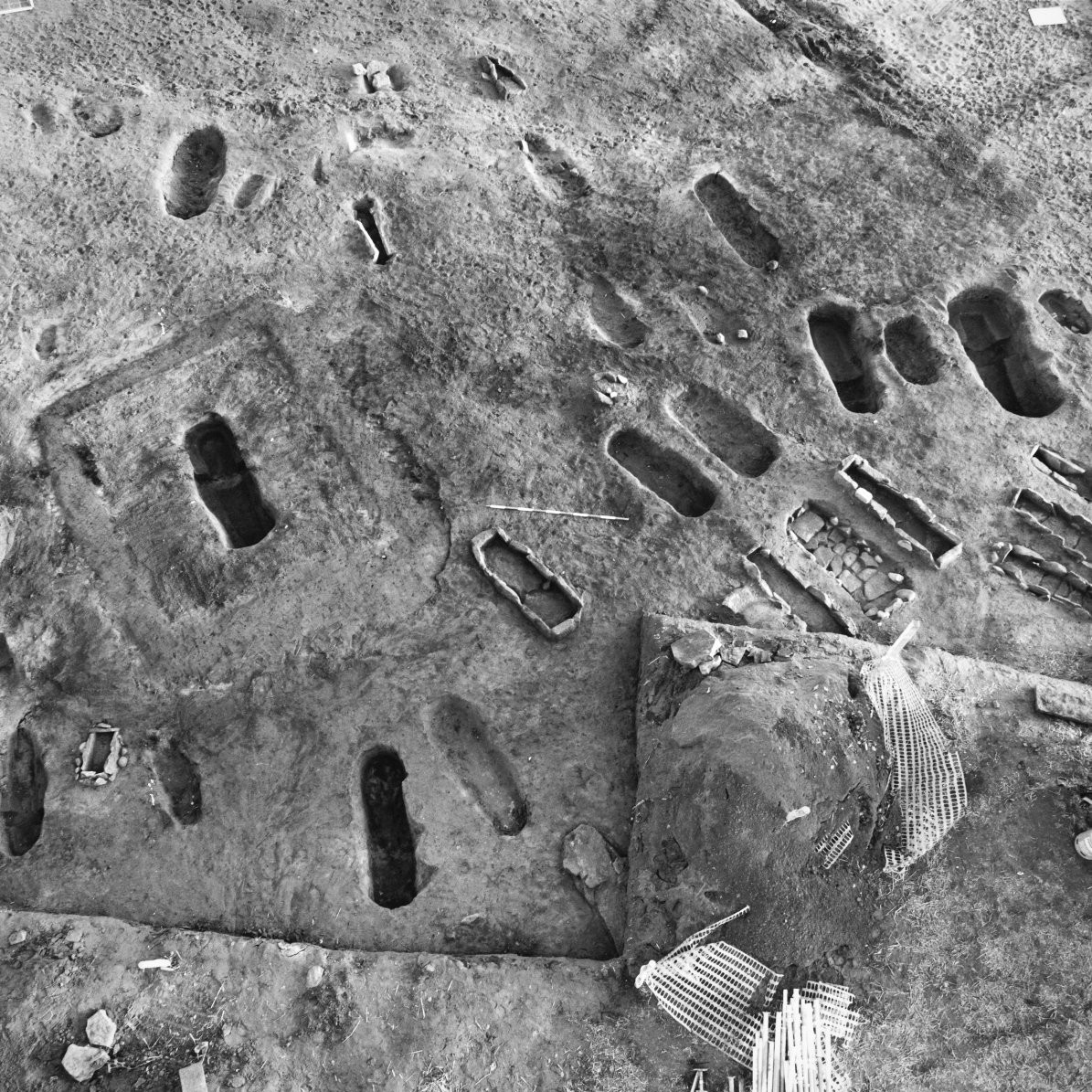
The early medieval period in Scotland shows similar trends to other areas of the British Isles. Long cists, cairns, barrows and dug graves were identified, although there were regional variations, with long cist cemeteries more common in the south-east, transitioning to barrows being the dominant grave-type in the north-east (Maldonado 2013). These new grave-types and cemeteries are dated to the 5th to 7th centuries.
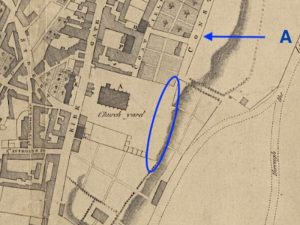
Churchyard burial grounds with east-west extended inhumations dominate the late medieval period and the post-medieval period. These sites vary significantly in size but many of Scotland’s largest assemblages are from churchyard cemeteries from the 2nd millennium AD, including over 750 individuals from Constitution Street, Edinburgh (Franklin et al 2019, Jurado Fresnadillo et al 2023) and over 900 from St Nicholas Kirk, Aberdeen (Cameron and Stones 2016).
Recent Research Developments
The Scotland’s Archaeological Human Remains Project at National Museums Scotland (NMS) has expanded the range of research facilities available within the stores of one of the most intensively researched collections in the Scottish Archaeology collections at NMS. The project has also increased the capacity of the human remains stores themselves, allowing human remains previously held by Historic Environment Scotland and archaeology units such as AOC Archaeology Group to be transferred to NMS and made available to researchers. The project is also facilitating training and sharing of knowledge on best practice in caring for human remains and the project curator Dr Jess Thompson is working on updating ethical guidelines for storing and researching human remains.
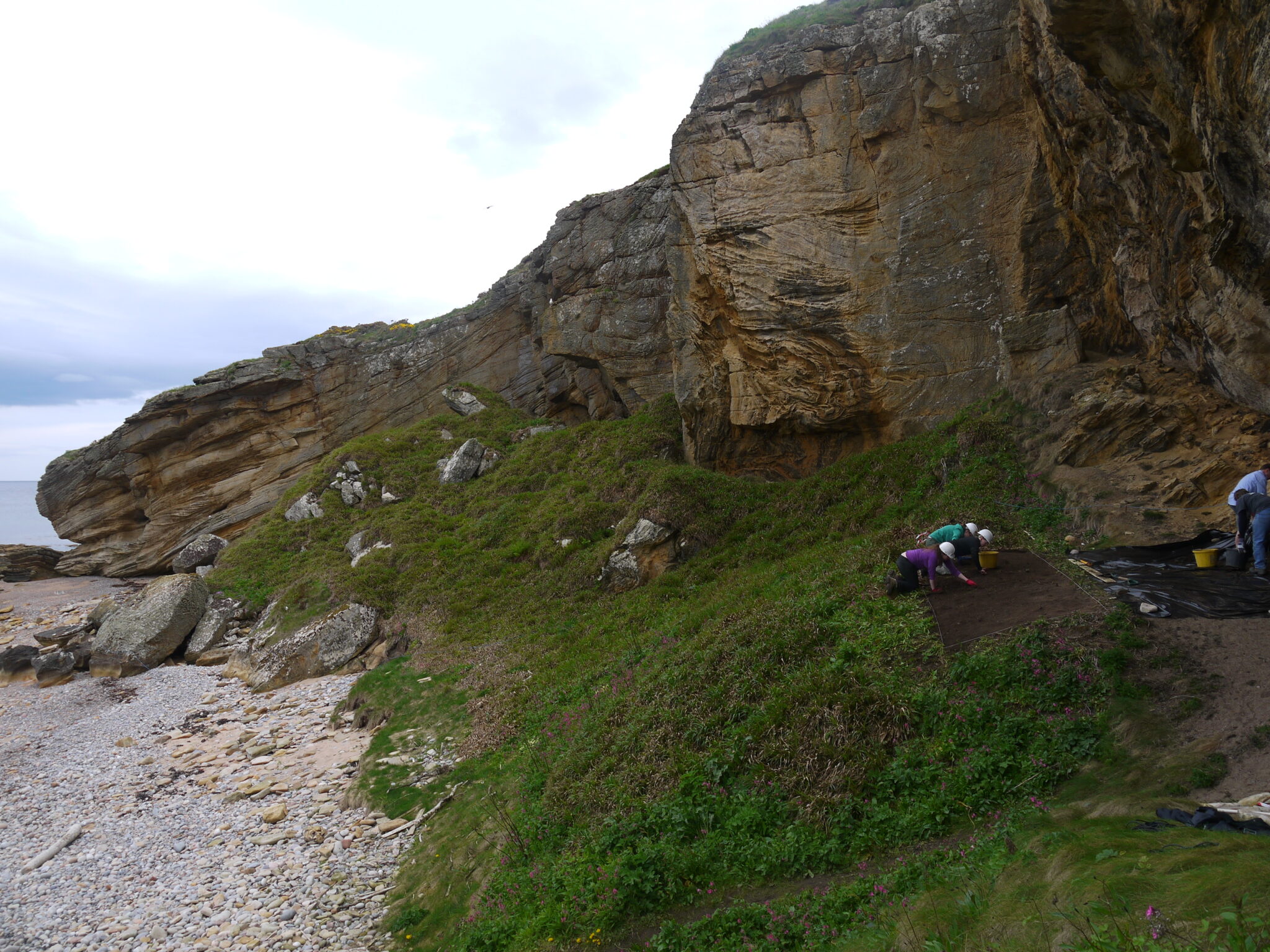
The increasing availability of archaeological assemblages to researchers and the research potential in radiocarbon dating, aDNA and isotope analysis has led to a number of older sites being re-examined. The large assemblage from the Neolithic chambered tomb of Quanterness has been examined, revealing new details about Neolithic treatment of the dead (Crozier 2016). A collaborative project on the remains from Sculptor’s Cave in Moray, including radiocarbon dating of the remains, provided a wealth of new insights into the burial rites of the Late Bronze Age and Roman Iron Age (Armit et al 2022). During the recent celebrations of Edinburgh’s 900th anniversary, human remains excavated from St Giles Cathedral in 1981 were re-examined using aDNA, isotope analysis and facial reconstruction techniques. The facial reconstructions formed the basis of an exhibition introducing the public to some of Edinburgh’s first burghers.
The regular radiocarbon dating programme at NMS has steadily filled in the map of securely dated burials and associated assemblages across Scotland, including the recent discovery that two skulls thought to be anatomical specimens misidentified as potentially having come from the site of St Ninian’s Isle, Shetland, were of an 11th century date and had come from the second phase of activity at St Ninian’s Isle (Knight et al 2023). Large-scale genetic and isotope projects are providing further insights. Dr Pontus Skoglund’s 1000 Ancient British Genomes has provided a wide variety of insights into British populations from prehistory into the 2nd millennium AD. Professor Armit’s COMMIOS project is exploring social dynamics in Iran Age Britain, and Dr Sam Leggett’s ArchaeoFINS project is exploring evidence of medieval fishing through both isotope and aDNA analysis. Individuals analysed as part of these projects are also often radiocarbon dated in the process.
These projects represent a few highlights of a wider body of research that will be detailed in the upcoming aDNA and isotope science updates, but they are also part of a wider trend in Scottish archaeological human remains. Extensive research has been done in recent years but much of that work has been in the form of destructive analyses examining genetic and isotopic data rather than bioarchaeological analyses exploring other aspects of skeletal assemblages and health status in the past. Many assemblages have been analysed for the publication of site reports and monographs but published bioarchaeological research on Scottish assemblages is lacking compared to other regions of Britain.
A recent analysis of major bioarchaeological journals and PhD theses between 2015 and 2023 found that 240 sites from across Britain had been subject to bioarchaeological research (Lewis et al 2026). Of these just 14 sites (5.8%), were Scottish sites, falling just behind the East Midlands with 15 sites (6.3%). More than half of the sites that had been researched (129 sites, 53.8%) were from London and southern England, and many of those had been subject to multiple studies (Lewis et al 2026).
The published Scottish research includes a number of Scottish examples included in a study of violence in the Neolithic across north-western Europe (Fibiger et al 2023) and case of meningioma was reported in an individual from the medieval site of Portmahomack (Brothwell and Brothwell 2016).
Much of the remaining bioarchaeological research has been doctoral research projects. Medina-Pettersson (2014) examined the treatment of the dead through Bronze Age cremated remains. Gooney (2015) examined the large Iron Age burial assemblage from Knowe of Skea on Westray. Willows (2016) explored health status between AD 500 and AD 1500 across four lowland populations, finding differences in health status according to status and location. Boyle (2021) explored evidence of violence in south-east Scotland between AD 400 and AD 800, finding notable concentrations of evidence of violence in and around the Firth of Forth. Ide (2023) examined evidence of activity and found that typical patterns of physical labour varied by both sex and socioeconomic status in medieval towns. Reeve (2026) explored health, resilience and frailty in three medieval populations, finding that while wealth could buffer individuals against the stress of medieval urban environments, overall rural communities were more resilient than their urban counterparts.
The number of skeletal assemblages that have been excavated and are now available for research in Scotland provides ample opportunity to correct this imbalance and explore new avenues of bioarchaeological research on Scotland’s past populations. More needs to be done to analyse different aspects of health status across Scotland’s past alongside the aDNA and isotope research already being conducted.