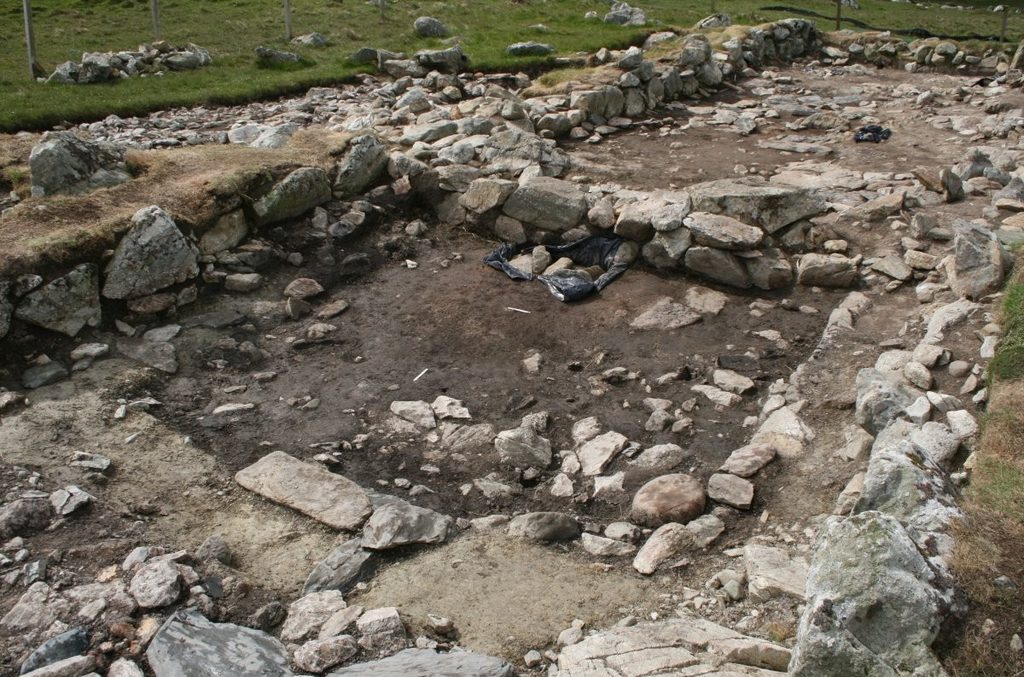
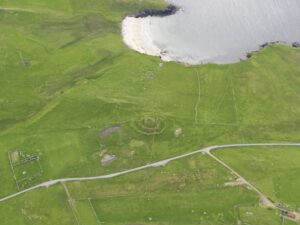
Shetland’s early historic period is dominated by evidence and research relating to the archipelago’s rich Viking and Norse heritage. Viking and Norse remains are present at key multiperiod sites in Mainland, namely Jarlshof and Old Scatness, with evidence from these longstanding excavations contributing pivotally to our understanding of cultural transition, site re-use and appropriation into the Norse period (Dockrill et al 2010, Dockrill and Bond 2023). In terms of geographic focus, in addition to work across Mainland, the island of Unst has also been a particular focus for early historic period research. Most notably this has been via the Viking Unst Project, a collaboration between the University of Bradford’s North Atlantic Research Unit and the Shetland Amenity Trust, which oversaw the excavation of two Viking longhouses at Hamar (Bond et al 2013) and Underhoull (Small 1996, Turner et al 2013).
Other Norse sites excavated in Unst include the settlements at Norwick (Ballin-Smith 2007), Sandwick (Bigelow 1985), and Belmont (Larsen et al 2013). Significantly, Unst has the highest concentration of Norse settlement sites in Scotland, with some arguing that the island was key to the expansion of Scandinavian populations westward into Britain (Ritchie 1996, Graham-Campbell and Batey 1998, Dyer et al 2013).
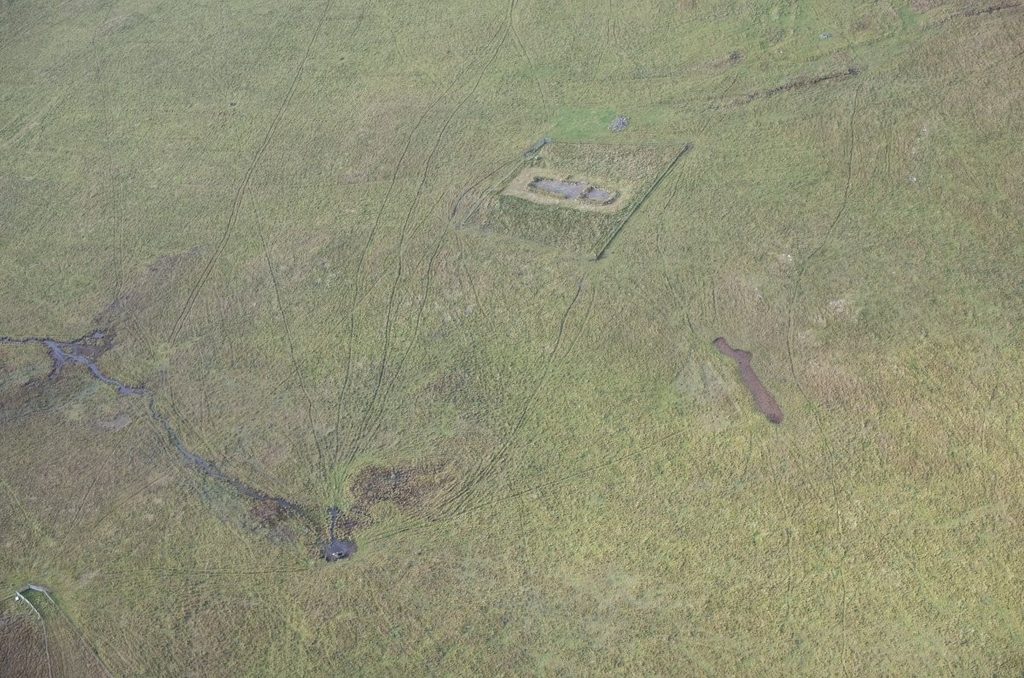
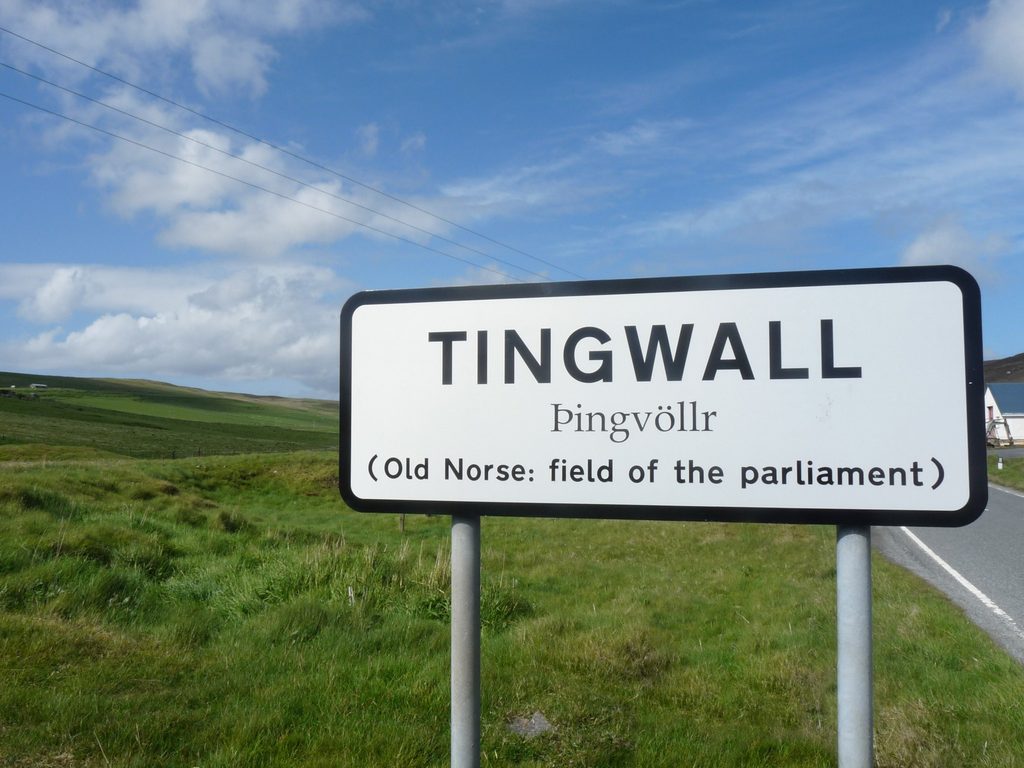
Beyond Unst, the remains of a further 12, currently unexcavated, longhouses are known across Shetland. It is interesting that longhouses represent approximately a quarter of the HER data confidently ascribed to the early historic period. Furthermore, the majority of find spots in Shetland’s early historic period HER are made up of distinctive Norse and Viking artefacts. There are also an impressive number of Viking burials, including boat burials, and at least four known Ting sites across Shetland, such as Lawtingholm. Shetland’s Norse economy was clearly heavily influenced by its position within a North Atlantic trade network (Marttila 2016). Steatite (soapstone), for example, was a key export, and studies continue into its role in local industry and international trade (Forster and Jones 2023). Farming and animal husbandry changed during this period (Ingrid 2023), but the extent to which Norse settlers in Shetland introduced new agricultural methods remains unclear.
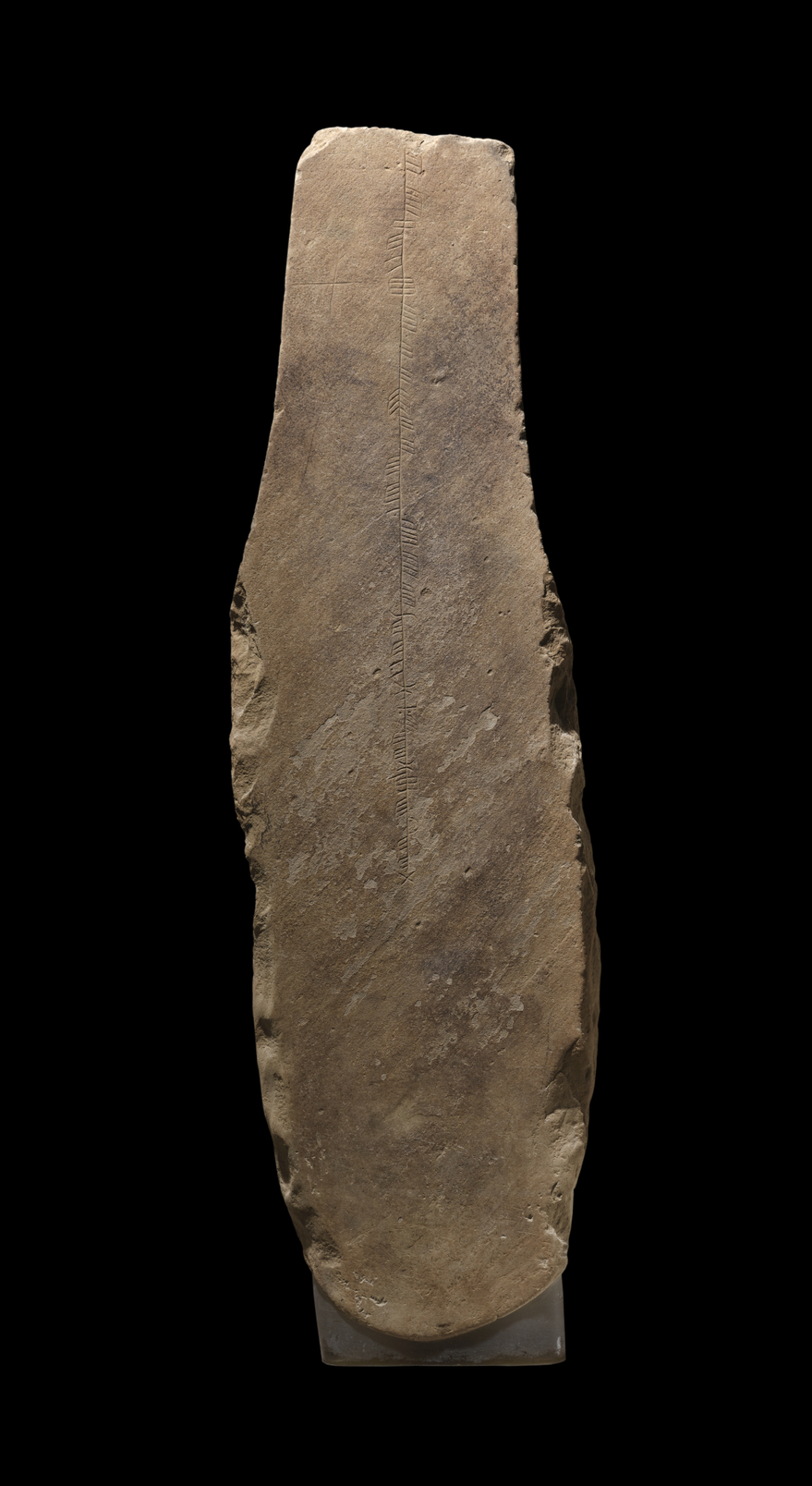
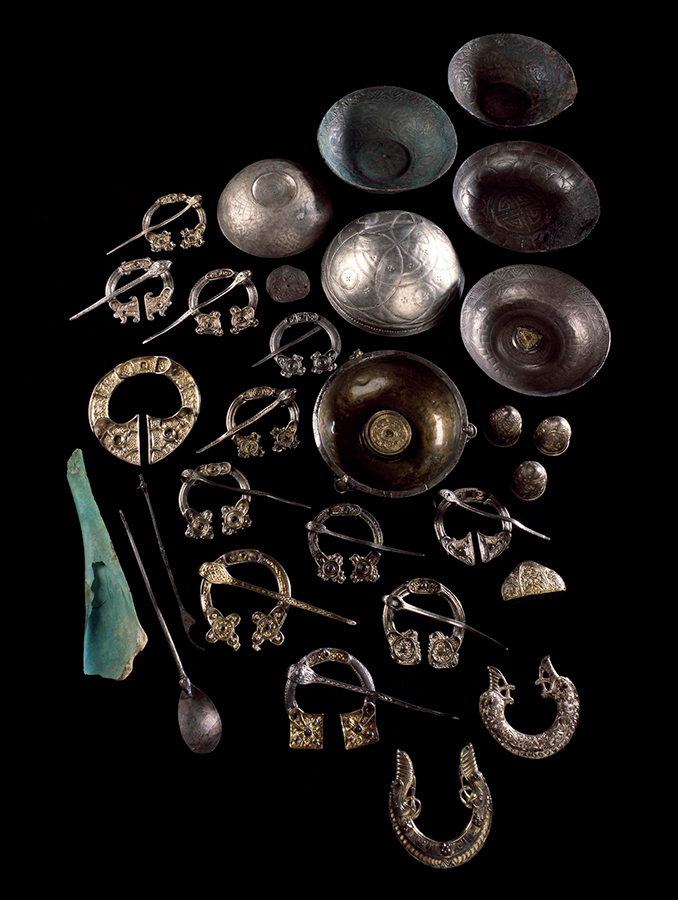
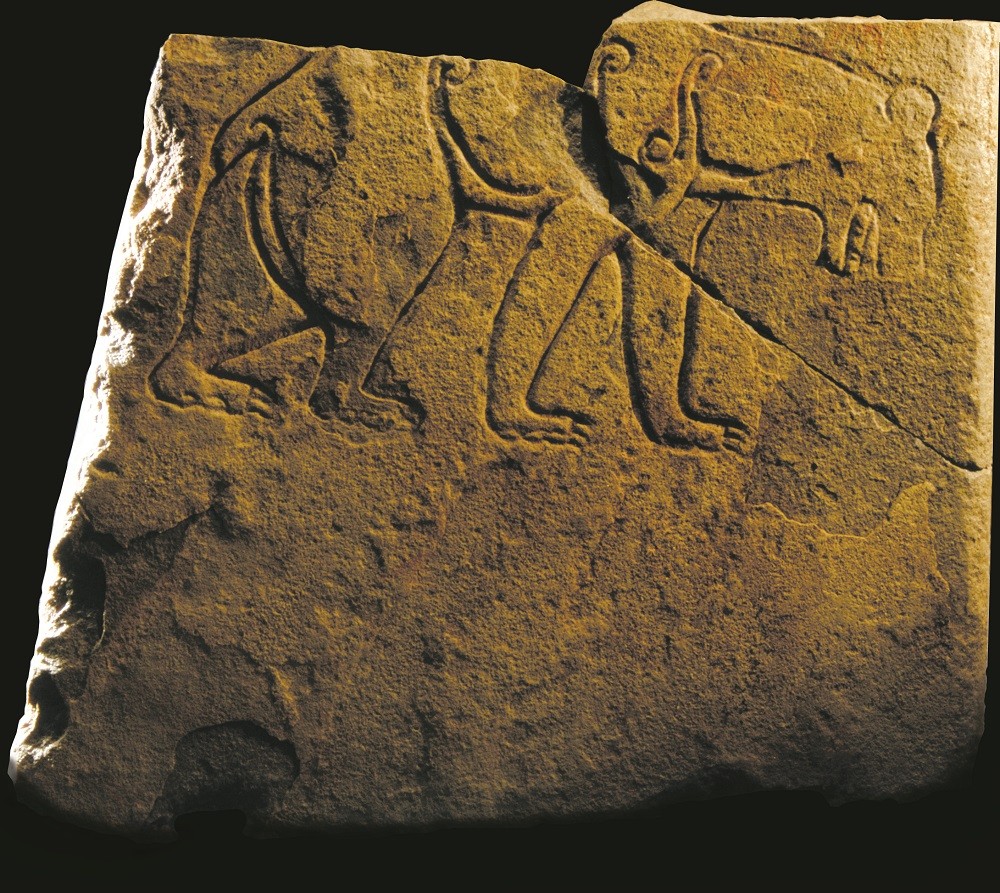
The importance of Shetland’s Viking and Norse remains for our understanding of wider Scandinavian influences across Scotland is beyond doubt and the archipelago’s archaeological resources for this period are clearly of great significance. By comparison, our understanding of the earliest part of this period in Shetland is less extensive. There are still some large gaps in our understanding of Shetland’s latest Iron Age and immediately post-Iron Age period from the beginning of the 5th century AD until the arrival of Scandinavian people and culture in the 9th to 10th century. Traditionally this period is described as ‘Pictish’, yet it remains unclear whether communities in Shetland identified with broader Pictish identities or whether they had more localised Shetlandic affiliations. Distinctive ‘Pictish’ artefacts from across Shetland include an increasing number of Christian and pre-Christian carved stones, including several with ogham inscriptions, as well as the remarkable assemblage of Pictish style silverware from St Ninian’s Isle (Turner 1994).
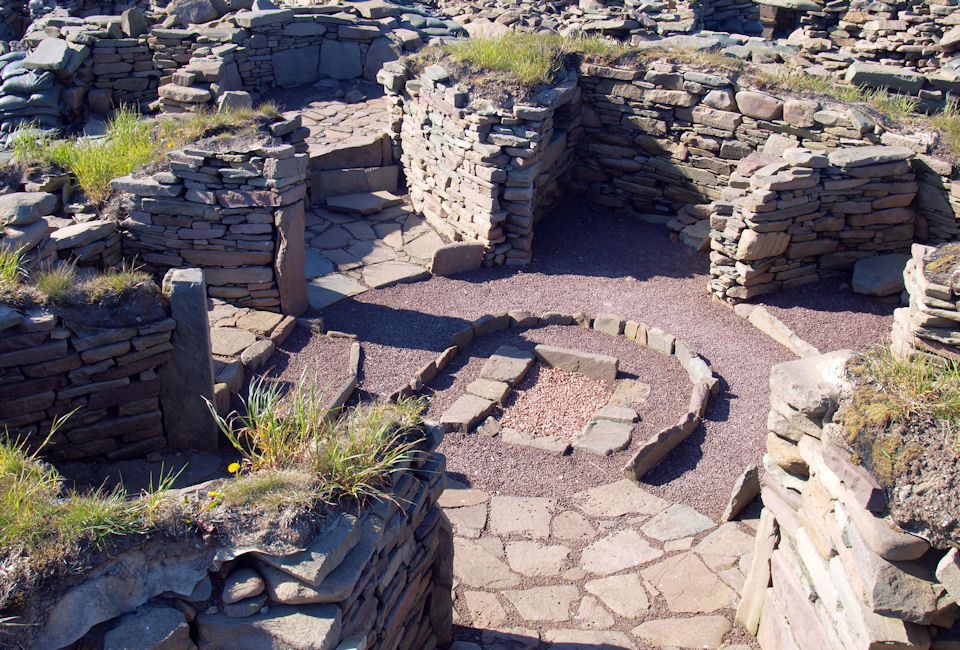
The recent work at St Ninian Isle is noteworthy, providing new approaches for addressing questions on cultural identity during the early historic period (Barrowman 2023). More broadly, however, identifying contemporary ‘Pictish’ settlements has been more challenging. In terms of domestic settlement architecture, this period in Shetland, as elsewhere, is associated with modest, cellular structures that contrast starkly with the monumental Iron Age sites that they appear to reuse and replace (Allison 2023). Due to their similarities with structures from the Outer Hebrides during this period, these settlements have been described as ‘Pictish’. However, the full extent to which communities living in these buildings identified with broader Pictish identities, requires further exploration. Both Scatness and Jarlshof, although more widely known for their Iron Age and later Norse phases, also contain remains from this ‘Pictish’ period, with evidence suggesting continuity thereafter into the Viking era. Likewise, excavation of various sites across Unst have revealed early, potentially ‘Pictish’ structures, though much of the research focus has to-date been on Norse occupation.
The limited number of excavations focusing on the earliest part of the post-Iron Age period establishes key research gaps. Unlike in Orkney and the Outer Hebrides, there is little evidence on the transition from ‘Pictish’ to Norse settlement and the nature of early Viking settlement in Shetland is still only beginning to emerge. Scatness is again a key site, bringing crucial data to discussions on settlement continuity and adaptation from the Iron Age into the Viking period and beyond (Dockrill et al 2010, Dockrill and Bond 2023). The degree to which Shetland’s native populations were replaced or assimilated by incoming Norse settlers is still unknown. DNA studies, stable isotope analysis, and further archaeological work has the potential to bring further data to these discussions.
The extent of early Christianity in Shetland before Norse influence is also poorly understood. Further research is needed to determine the origin of early Christian influences, how widespread they were, and whether a second conversion occurred when the Norse adopted the Roman Church. For example, burial practices during the Norse period are poorly understood, with little evidence of pre-Christian graves. Place-name studies suggest that while most of Shetland’s place names are Norse, some pre-Norse names persist, raising further questions about cultural continuity (Gammeltoft et al 2005). Future research would benefit from further integrating archaeological, linguistic, and genetic data to refine understanding of post-Iron Age, Viking and Norse settlement, cultural shifts, and Shetland’s role within the wider northern European context.
You can download the datasheet for more information on the early historic sites and c14 dates from Shetland.
Early Historic Research Questions
SIRFA SH69: Did Shetland’s later Iron Age communities identify with a wider ‘Pictish’ identity?
More information on this question
Local framework numbering:
SIRFA SH69
More information:
Did communities across Shetland regard themselves as part of a wider ‘Pictish’ identity during the Late Iron Age? Does this suggest that more localised and regional identities took priority in Shetland? Or was ‘Pictish’ identity in Shetland expressed in other ways? Did all Later Iron Age communities across Shetland identify in the same way? How did local and regional identities and wider political allegiances change throughout Shetland’s later Iron Age? These questions would benefit from new theoretical and more holistic approaches. Reanalysis and synthesis of existing datasets will be key, including reanalysis of museums and archive collections. However, continued recording of new material from both developer-funded and research targeted survey and excavation, has the potential to expand knowledge around these broad research gaps.
SIRFA SH78: What was the legacy of Shetland’s brochs during the Norse period?
More information on this question
Local framework numbering:
SIRFA SH78
More information:
Brochs dominate much of Shetland’s modern landscape and would have similarly dominated the landscape encountered by Norse settlers. How were these monuments understood and perceived by Norse settlers? What did these structures represent to them? How extensive is the archaeological evidence for reuse and adaption of brochs (and broch villages) during the Norse period? Additionally, how many of these structures were still function or used when Norse settlers arrived? This links to broader questions about the nature of Norse settlement; to what extent did the Norse settlers occupy previously unpopulated areas of Shetland and to what extent did they settle in existing domestic landscapes? Reevaluating existing survey and excavation records is likely an important first step. New data from targeted excavations and survey is also likely to move these questions forward. In a developer-funded context, the importance of recording and funding post-excavation work on multi-period and reuse sites that span the broch and Norse settlements, needs emphasis. In addition the value of carrying out archaeological surveys across previously uninvestigated landscapes.
SIRFA SH80: What were the social dynamics between Shetland’s ‘native’ populations and Norse settlers?
More information on this question
Local framework numbering:
SIRFA SH80
More information:
There is still a lot more to understand about the interactions between incoming Norse settlers and pre-existing populations across Shetland. What were the social dynamics? Were Norse settlers welcomed peacefully and gradually, or were new settlements alternatively established with local resistance and incomer aggression? How did the transition from the Pictish to Scandinavian period happen? What evidence should we be looking for to support these interpretations? Once Norse settlements were established, did these populations maintain distinct identities? Did these populations co-exist or intermingle and if so, over what period of time did these social and cultural transformations take place? Did Norse settlers reused pre-Norse structures? If so, how extensive was this practice? Did some pre-Norse settlements retain their separate identity into the Norse period? Additionally, can we identify accompanying changes in technology, subsistence practices and construction techniques that enable us to better understand the social dynamics between existing and incoming populations during this period? These questions are by no means new. Yet, it is likely that these research gaps would be greatly enhanced with new data and reinvigorated with the development of new approaches – both methodological and theoretical. Targeted survey and excavation of late Iron Age, Norse and multiperiod/reuse sites are likely to be key, alongside new and multidisciplinary approaches. For example, what can researchers learn from further integrating placename studies with archaeological evidence? Why were some ‘Pictish’ placenames seemingly replaced with Norse-origin names, whilst others were retained? Within a developer-funded context, the research potential of multi-period sites that span this transition period should be emphasised. Alongside this, the importance of post-excavation and dating work. Indeed, the fact remains that we are only just beginning to understand the nature of ‘Pictish’ settlement and there information about early Viking settlement is only just beginning to emerge. Consequently, there is little evidence to draw on in order to understand this transition period.
SIRFA SH81: Where and how did Shetland’s pre-Christian, Norse populations dispose of their dead?
More information on this question
Local framework numbering:
SIRFA SH81
More information:
As with previous periods, it has been difficult to identify formal burials and locations of human remains for the Norse period, prior to the establishment of Christian burial practices. Where did Shetland’s pre-Christian Norse populations dispose of their dead? What rites/practices were carried out when community members died? Is the lack of burial evidence due to poor preservation conditions, or researchers bias – have we been looking in the wrong places?
SIRFA SH82: Why do pre-Norse placenames survive in some areas of Shetland, but not in others?
More information on this question
Local framework numbering:
SIRFA SH82
More information:
Analysis of placename evidence has been valuable in understanding Norse presence across other areas of Scotland (such as the Outer Hebrides). Whilst the majority of Shetland placenames are Norse in origin, a small percentage appear to be pre-Norse. Why is this? Does this indicate a longer lived pre-Norse presence in these specific places? Does the archaeological landscape reveal any further clues? Does folklore and other oral histories bring additional knowledge and understanding to the place name evidence? Finally, is it possible to determine the date of pre-Norse place-naming? This area of research is necessarily multi-disciplinary in nature, and will likely revolve around the combined use of ethnography, anthropology, historical records, oral histories, as well as archaeological data. In a developer-funded context, the value of carrying out archaeological surveys across previously uninvestigated landscape needs emphasis.
SIRFA SH83: What was the relationship between Norse communities and settlements in Shetland and those in the Faroes, Iceland and Greenland?
More information on this question
Local framework numbering:
SIRFA SH83
More information:
Shetland was situated at the centre of the Norse world, making it likely or possible that there was ongoing contact with other, nearby Norse settlements such as those in the Faroes, Iceland, and Greenland. To what extent did people move between these places and Shetland during the Norse period? Can we trace connectivity with the wider Norse world through Shetland’s material culture? Relatedly, is it possible to distinguish a uniquely Shetlandic Norse identity within this wider arena? Are there artefacts or architectural elements in Shetland’s archaeological record that point to the presence or influence of Norse communities from these other places? Similarly, can the Shetlandic Norse diaspora be identified in populations elsewhere?
SIRFA SH84: How extensive and deep-rooted was Christianity across Shetland prior to and during the Early Norse period?
More information on this question
Local framework numbering:
SIRFA SH84
More information:
There are still significant gaps in current understanding of religious and spiritual practices in Shetland following conversion to Christianity. What evidence is there for Christianisation prior to the Norse arrival? Is there evidence indicating the continuity of pre-existing belief systems (both Norse and otherwise)? To what extent did the local populace across Shetland practice Christianity during the Norse period and what did these practices look like? What did Shetland’s early Christian landscape look like? Relatedly, how many pre-reformation sites across Shetland have Norse origins?
SIRFA SH85: When and how was Christianity introduced to Shetland?
More information on this question
Local framework numbering:
SIRFA SH85
More information:
The Picts almost certainly brought Christianity into Shetland. But the timing and extent of initial Christianisation of Shetland is poorly understood. How widespread was its adoption during this early phase? How long did it endure? Was there a second conversion when the Norse adopted the Roman Church? How did any of this affect daily life for people? How does the initial arrival of Christianity manifest in the archaeological record? Is it possible to identify the origin of early Shetlandic Christianisation? Over what period were the local population converted? Further, can it be identified when and where the first centres of worship were constructed? Or did the earliest Shetland Christians practice outdoors? Research excavation (Barrowman 2024) and possibly documentary research might help illuminate this. Developer led excavation has potential to contribute. In a developer led context, the research significance of dating and other post-excavation work on early historic period sites and materials needs to be emphasised.
SIRFA SH86: What impact did the location of steatite resources have on related industrial activity during the Norse period?
More information on this question
Local framework numbering:
SIRFA SH86
More information:
Steatite was clearly an important resource during the Norse period, enabling the development of key industries and trade connections. However, steatite is only present in very specific locations across Shetland. How did the distribution of raw materials impact on the development of related industries during the Norse period?? How were Shetland’s industrial and economic landscapes structured with regard to Steatite extraction, production, manufacture and trade? How did the location of steatite resources impact the development and wealth of Norse settlements? Can materials be identified to specific extraction locations and were there differences in quality between locales? If so, how did these differences impact wider steatite economy across Shetland? It is likely that this these questions will benefit from multi-disciplinary approaches. Working with geologists in particular will be of value, likely alongside survey, excavation and artefact analysis. In a commercial context, the research significance of dating and other post-excavation work should be emphasised.
SIRFA SH87: How did farming and animal husbandry practices change with the arrival of Norse populations to Shetland?
More information on this question
Local framework numbering:
SIRFA SH87
More information:
We still don’t fully understand how farming, animal husbandry and wider subsistence strategies changed with the arrival of Norse populations to Shetland. Did Scandinavian settlers introduce livestock to Shetland and if so, how extensive and impactful were these introductions? New and more intensive agricultural practices are generally associated with this period. If this was the case in Shetland, what was the impact on the island environment? More specifically, what was the impact on the island’s soil fertility and stability? Were Norse communities as successful at managing agricultural landscapes across Shetland, including stabilising soils and maintaining soil fertility, as ‘native’ Iron Age populations? If so, what does this suggest about the relationship, integration and communication with pre-existing farmers across Shetland? Soils evidence from Scatness suggests that agriculture was less intensive during the Norse period – or at least their soil management was much less intensive. However, perhaps there was less need to intensively cultivate soils because the pattern of settlement was so different in this period. Certainly, Turner’s research (2012) suggests less intensive soil management into the Viking and Norse periods. Further soils work and more expanded landscape surveys would help expand our understanding here.
SIRFA SH88: What range of materials were exported from Shetland during the Norse period?
More information on this question
Local framework numbering:
SIRFA SH88
More information:
Steatite is widely recognised as a key Shetland export during the islands’ Norse period and an excellent example of the wide trade connections from Shetland established during this period. But what of other materials, resources or products exported during this period? What do export materials, resources or products suggested about Shetland’s role and significance in the wider Norse world during this period? These research questions are unlikely to be addressed within a single research project. It is likely that these questions will benefit from international collaborations, with Scottish researchers working with colleagues based across and outwith the UK. Collating, reassessing and reanalysing of existing archives, museum collections and reports will form a series of projects with a Shetland focus as well as international focus will be required. In a developer-funded context, the importance of funding post-excavation work on materials should be emphasised.
SIRFA SH89: To what extent were Shetland’s ‘native’ populations replaced during the early historic period?
More information on this question
Local framework numbering:
SIRFA SH89
More information:
Modern DNA work has shown clear genetic similarities between current populations living in Shetland with those in Scandinavia. What does this information suggest about historic links between Shetland and Scandinavia? To what extent does this evidence support interpretations of population replacement from across the North Sea during Shetland’s early historic period? What about populations from mainland Scotland, associated with ‘Pictish’ material culture – to what extent did Shetland see the arrival of new people, as well as new material cultural and cultural practices? How can DNA studies contribute to these age-old research questions? Do modern DNA results complement aDNA evidence? How can DNA research, both on ancient and modern samples, enhance an understanding of Shetland’s early historic populations based on material culture and placenames studies? What role is there for stable isotope studies to further contribute to questions about population origins and replacement during Shetland’s early historic period?
SIRFA SH90: What characterised Shetland’s pre-Norse seafaring technology?
More information on this question
Local framework numbering:
SIRFA SH90
More information:
Norse seafaring technology was a significant reason for the success of the diaspora spread; but how did native Shetlander seafaring technology compare? What did pre-Norse boats look like in Shetland? What were they made of? Is there a clear lineage between prehistoric boat designs and those used in early historic period? There is very little archaeological evidence fo boats of any period in Shetland. In the continued absence of direct archaeological evidence for pre-Norse, early historic period boats and boat technology, multi-disciplinary approaches are encouraged, specifically experimental archaeology and ethnography. Within a developer-funded context, any evidence for early historic-period boats or boat technology needs to be considered a high priority for detailed recording, preservation and post-excavation work.
If you have answered a research question, or have an update to add about a specific site or period, you can use our inline comments to flag the change and keep the frameworks up to date.
Register for an account, or login now to add updates and comments to our existing frameworks.