
Another form of stone roundhouse, but of far greater complexity, occur in the area, admittedly though in rare numbers. In other areas theses monumental roundhouses are known as ‘brochs’ or ‘Complex Atlantic Roundhouses’.
Edin’s Hall, Berwickshire is an excellent example of a possible lowland broch and settlement site. Excavations at the site in the 19th century provided valuable, if basic, information regarding the nature of the structures present, and the current appearance and condition of the monument owes much to this work (Turnbull 1881; Dunwell 1999). It is unclear as to whether the settlement and broch are contemporary. The site comprises a fort within which is a series of structures, including the ‘broch’, which lies within a sub-rectangular enclosure.
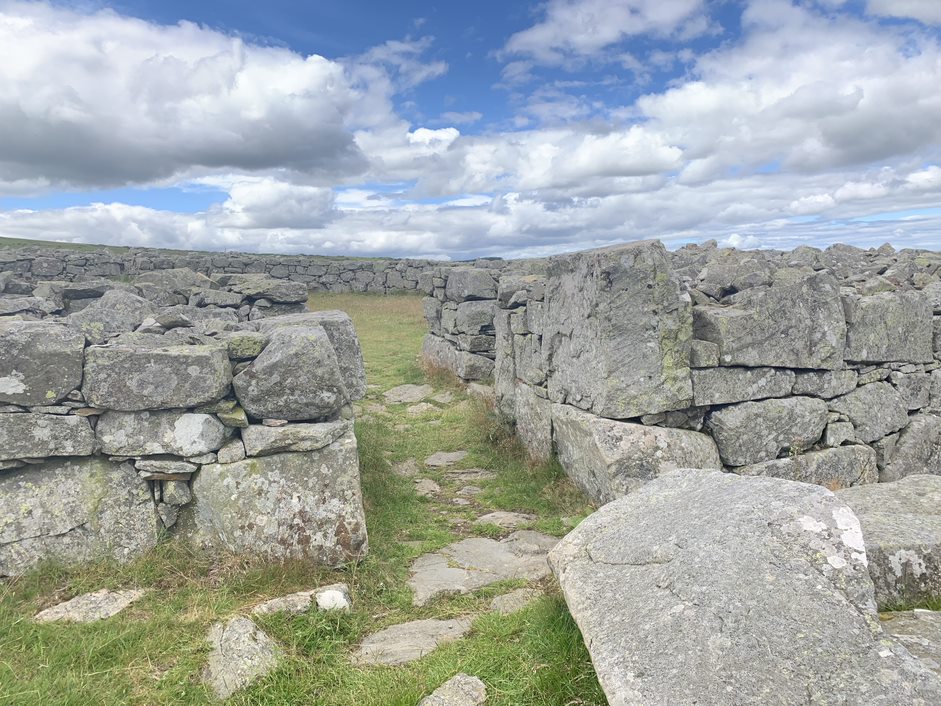
Located close to copper mines, it is thought that these would have provided a source of wealth for the settlement. This is supported by the recovery of a copper ingot which may well represent a votive deposit within the broch. This is certainly the most important find from the site. As Hunter (1999) reminds us the key point, apart from the rarity of such finds in Scotland, is that the ingot may represent the resource which gave Edin’s Hall its wealth. This wealth is manifested in complex architecture, that is, the broch.
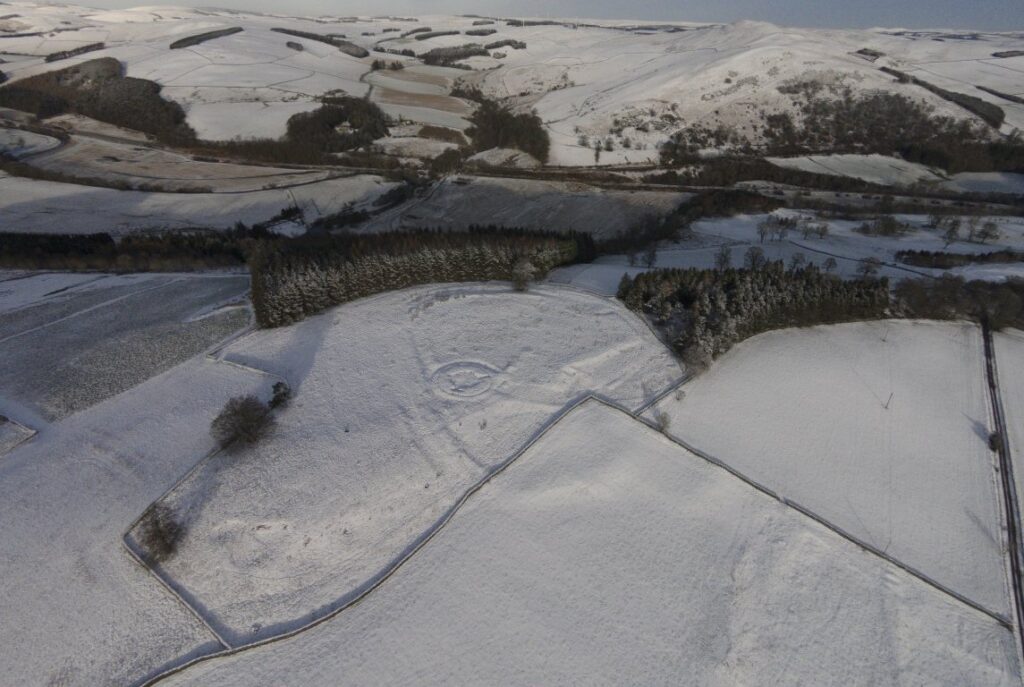
Our area has two other broch sites: Torwoodlee, Selkirkshire and Bow, Midlothian (MacKie 2007). Like Edin’s Hall, Torwoodlee was built on the ruins of a hillfort. Excavations at both sites revealed important Roman assemblages, presumably indicating that the inhabitants were of importance in the local area.