
The rural areas of South East Scotland have received less detailed archaeological study than the region’s urban communities. In part this reflects the high number of developer-funded excavations in towns and cities, whilst building in the countryside has been less extensive with fewer commercial archaeological investigations undertaken. It is also perhaps attributable to the poor survival of some forms of medieval rural buildings – both due to more use of timber and earth construction than in urban buildings of a similar period and preferential preservation conditions in some urban locations.
Nonetheless, the last twenty years have seen significant additions to our understanding of medieval rural life. Work in advance of the extension of the Edinburgh tram network led to the discovery of notable medieval remains at Nether Gogar – including a corn-drying kiln and cobbled yard, trackways, and ditches associated with field systems (Will and James 2018). In a rather different setting, excavations at the abandoned medieval village of Eldbotle in East Lothian uncovered late medieval dwellings and provided valuable insights into the stresses on lowland rural settlements in the fourteenth century (Hindmarch and Oram 2012). Meanwhile, paleoenvironmental research in the Bowmont Valley in the Borders has highlighted a remarkable persistence in arable farming in upland areas even against a backdrop of an increasingly harsh late medieval climate (Tipping 1998; 2002; 2010, SESARF 2.10).
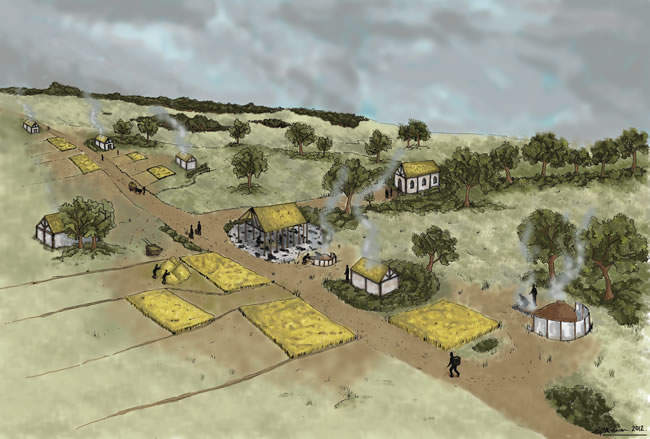
As these examples suggest, the story of South East’s Scotland’s medieval rural communities is far from simple. It is likely that there were considerable variations in experiences, not merely between upland and lowland settlements, but even between individual communities within a similar type of terrain. Currently, we have some fascinating case studies regarding the experience of a limited number of medieval rural settlements in South East Scotland, but it should be noted that these examples may not be representative of the wider region.
A wide range of questions about South East Scotland’s medieval rural communities currently remain unanswered. At the most basic, it would be desirable to know more about the degree of continuity between early medieval, medieval, and post-medieval rural settlement patterns. Whilst the settlement at Eldbotle appears to have been occupied from the 5th century AD to the eighteenth century, other sites show signs of earlier abandonment. For instance, research by Martin Parry into the 14th century rural settlement in the Lammermuirs found that large numbers of these communities failed during the late medieval period (Parry 1975). Of course, other rural sites remain occupied to this day. It seems likely that interdisciplinary study, integrating evidence from written records, excavations, field surveys and paleoenvironmental analysis will be needed to resolve such major questions as patterns of growth and decline in rural communities, the ways in which rural settlements were laid out and organised, and patterns of land use over the course of the medieval period, including consideration of the extent of transhumance in the region.
Abandoned settlements are likely to prove critical to our understanding of medieval rural communities. For example, excavations of a lost village at Springwood Park near Kelso produced some of the best-preserved rural buildings of the twelfth to fourteenth centuries found thus far in the region, and significantly enhanced our understanding of dwellings, barns, and byres of the period (Dixon 1998). Although South East Scotland did not see as intense post-medieval clearance activity as the Highlands and Islands, the region still has a number of abandoned medieval villages, especially in the Borders, which could benefit from greater investigation. Interdisciplinary work with historians may help identify additional overlooked medieval settlements. Yet, we must also consider those settlements which have endured into modern times – and see how the abandoned and continuously occupied communities compare. In South East Scotland we are currently seeing the conversion of a number of agricultural sites to alternative uses. These alterations will provide opportunities for more extensive archaeological interventions.
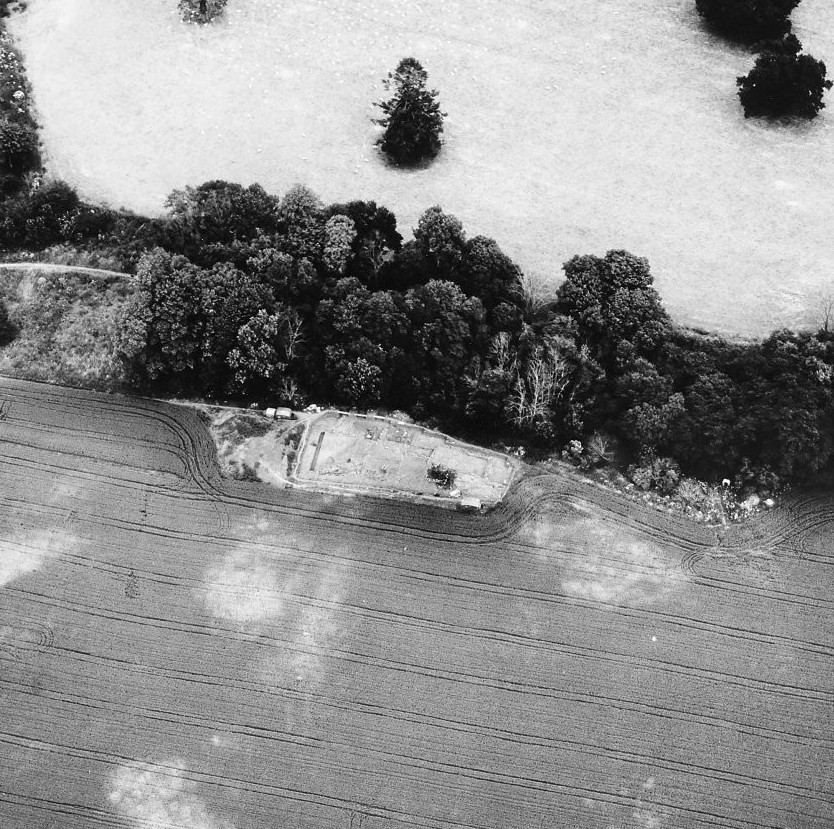
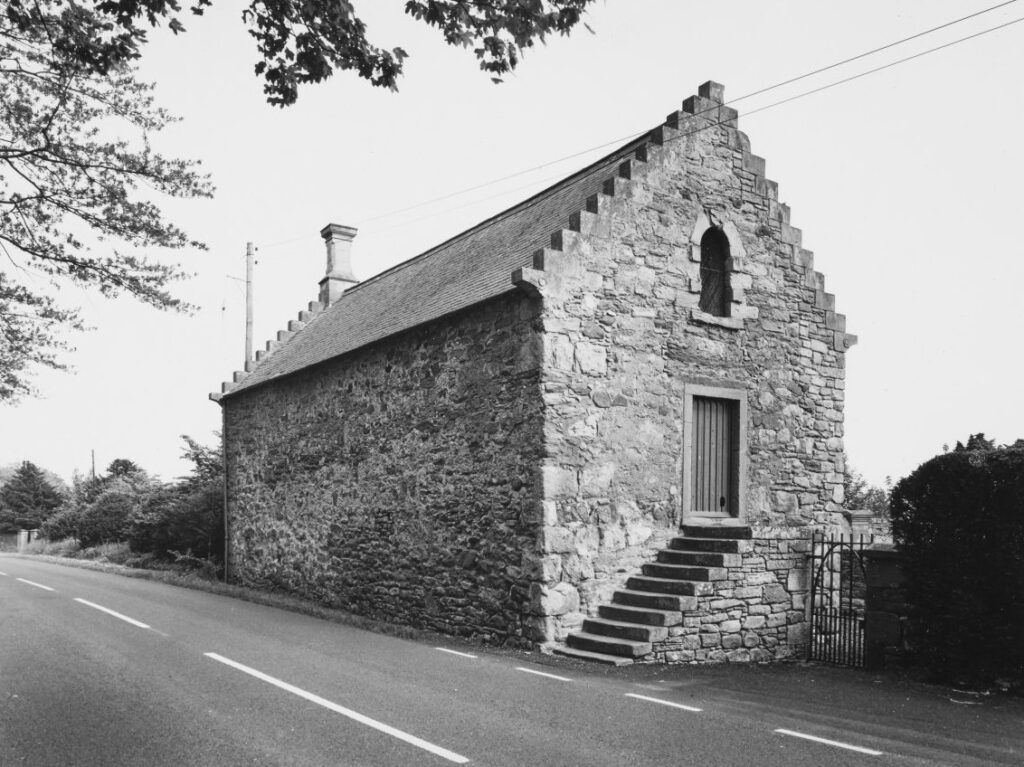
Further study of medieval field systems and wider agricultural practices would be desirable. The region has several medieval tithe barns, including Foulden Old Tithe Barn and Whitekirk Tithe Barn. Although most of these buildings have undergone later alterations, projects at sites such as Whitekirk Tithe Barn show the extensive medieval remains which can be preserved within and around these structures. Excavations at Whitekirk uncovered the remains of several demolished medieval buildings, some of which were probably associated with pilgrim accommodation. Additional research into older farm buildings in the region, including those which appear to be in isolated locations, would be desirable. Far more work could also be undertaken to make sense of field boundaries, rig and furrow markings, and evidence for medieval water management. Changes to modern farming and disruption to the countryside, from a wide range of factors including development pressures and climate change, mean that many rural buildings and landscapes are at risk. We may have a limited window in which to record evidence of South East Scotland’s medieval rural communities.
Rural Settlement Research Questions
- What is the relationship between early medieval, medieval and post-medieval rural settlement patterns? How much continuity was there across these periods?
- How were rural settlements organized during the medieval period? Were ferm-touns the primary form of rural settlement in South East Scotland throughout the period from 1100 to 1600?
- In what ways did rural settlements change over the course of the medieval period? Is there evidence of growth / decline?
- Did Anglo-Norman immigration in the eleventh and twelfth centuries alter the layout or distribution of rural settlements?
- To what extent did wider crises (e.g. plague / Anglo-Scottish conflict) affect rural settlements?
- Can we identify abandoned rural settlements? What led to these sites ceasing to be occupied?
- Is there a notable difference in settlement pattern and design between upland and lowland areas of South East Scotland?
- How did agricultural practices shape the distribution and layout of rural settlements?
- What other considerations appear to have determined the layout of medieval settlements?
- What was the impact of hunting forests on medieval rural settlement and field systems?
- How widespread was assarting and what form did it take?
- What can we learn about temporary settlements and sites associated with transhumance?
- How much variation in plan and construction was there in lower status rural dwellings?
- Are there any distinctive regional aspects to lower status rural dwellings and settlements?
- What can we discover about the design of agricultural buildings (e.g. barns, byres)?
- How widespread was stone construction in rural areas? Does the use of stone change over the medieval period?
- To what extent is there evidence of communal activities or use of resources in lower status rural settlements?
- What evidence can we find of connections between rural communities and the wider world?