The rationale for considering all three island-authority areas in a single regional research framework is our recognition that islands (specifically small islands) present distinct challenges and opportunities from a research perspective. Furthermore, there is value in thinking about and approaching island research differently from mainland areas. Firstly, islands are highly vulnerable to environmental and climatic changes. Consequently, much of the historic environment is under imminent threat. In this context, understanding potential research value is critical for effective management of the historic environment and prioritization of research. Increased storminess and coastal erosion present huge challenges for the management, research and conservation of archaeological resources across the Outer Hebrides, Shetland and Orkney.
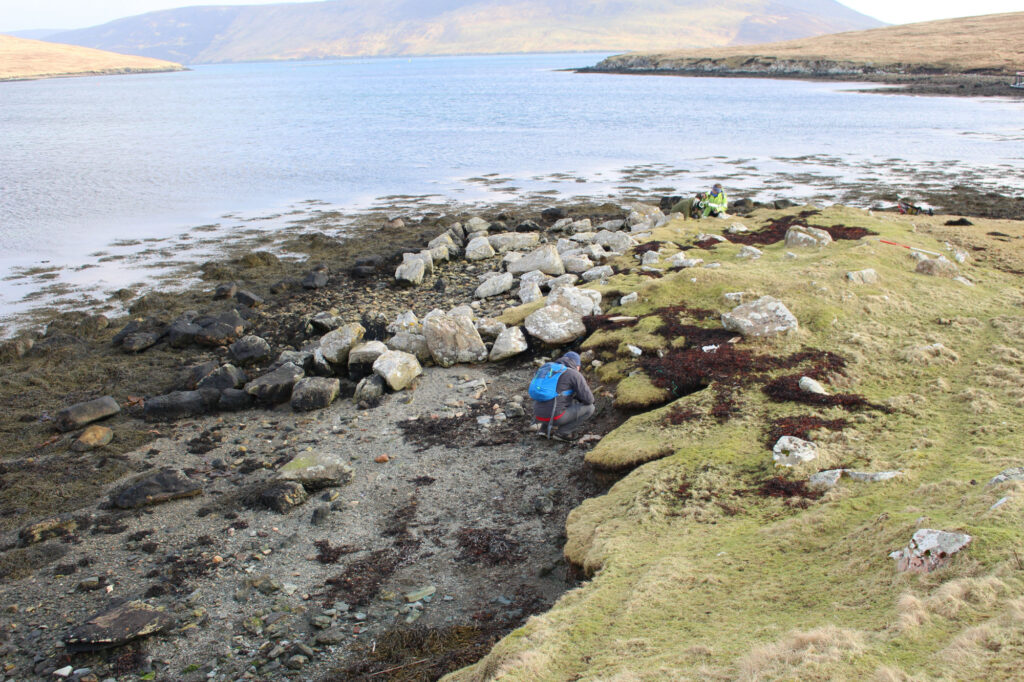
Tellingly, two-thirds of the SCAPE Trust’s High Priority sites are located within the SIRFA regions (Hambly 2017). There are ample opportunities here for learning between and across the islands in terms of best practice and establishing successful strategies for managing the historic environment in the face of environmental threats. Secondly, all three island groups share a degree of ‘remoteness’ in modern terms. All three archipelagos, like many of the world’s islands, are located at a distance from modern political and administrative centres. Research within islands often brings additional accessibility and resource challenges such as travel, staff and equipment costs. Furthermore, the physical and perceived disconnect between islands and mainland urban centres frequently separates research locales from researchers and research outputs.
As well as sharing key challenges, these islands share important opportunities for research. The Outer Hebrides, Orkney and Shetland all offer exceptional preservation conditions for archaeological sites, deposits and materials. Limited modern, industrial development across the islands leaves more remains and deposits undisturbed. Traditional land management methods, such as crofting, have a low impact on the natural and historic environment and are less damaging to buried and upstanding archaeological remains. All three island regions contain environments that are conducive to high levels of preservation including peat bogs and machair. There is also huge potential for underwater archaeology, submerged landscape studies, and for exploring maritime adaptation activities and technology. Islands also provide ideal contexts for exploring historical ecology and human impacts, cultural insularity and adaptation, environmental change and human response strategies (see Fitzpatrick et al 2015). Finally, there is the potential for archaeological research across these islands to act as models for future sustainability.
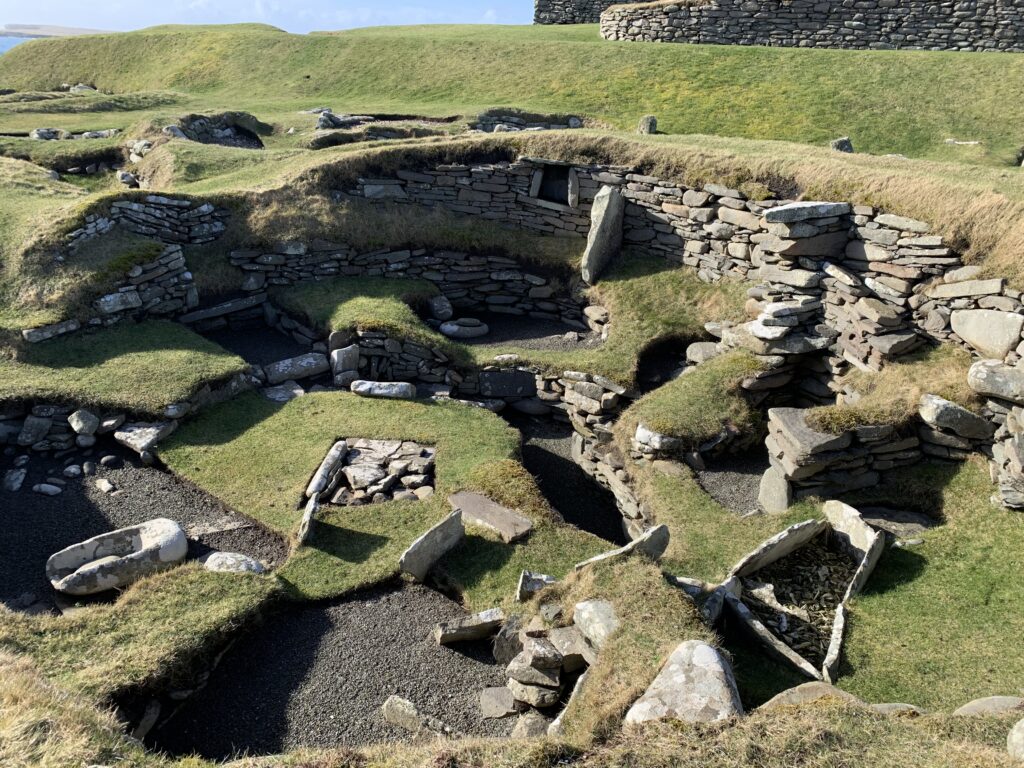
The Outer Hebrides, Shetland and Orkney, like many of the world’s islands, are places vulnerable to population decline and the related issues of limited employment, education and training opportunities, low relative income, poor housing and other core infrastructure problems. These issues are recognised nationally through the Islands (Scotland) Act 2018 and the Our Islands, Our Future initiative, at European level in Article 174 of the Lisbon Treaty and at global level through UNESCO Small Islands Developing States (SIDS). Nationally and internationally, there is agreement that islands are places where heritage and culture are particularly valuable assets. Across the Outer Hebrides, Shetland and Orkney the historic environment is a key contributor to the visitor economy. The historic environment plays an important role in establishing a sense of island identity and has been shown to have huge potential for supporting island communities seeking to build resilient, confident and sustainable futures.
This regional framework for archaeological research has been devised with specific consideration given to the impact of archaeological research on contemporary island communities. Local stakeholders, including community groups, local heritage professionals and wider community members, were involved in the project at multiple stages including putting forward research questions and gaps and taking part in workshops and seminars to agree on final framework outputs. Crucially, SIRFA’s outputs extend beyond this online resource. SIRFA’s outputs include the shared learning between researchers, heritage professionals and managers of the historic environment working across these three islands groups. In particular, through SIRFA events, colleagues have inspired each other, established ideas for collaborative research, and discussed best-practice in the face of shared challenges and opportunities.
The SIRFA resource and research assessment highlights the need for better geographical distribution of archaeological research across all three island groups as well as all periods and themes. For all three island groups, the last four decades have seen a concentration of archaeological research in key islands or locales therein. This has occurred, mostly as a result of a few substantial, well-funded and highly focused research projects. Crucially, these projects have demonstrated beyond doubt the immense research potential of these islands, as well as the regional, national and international significance of their archaeological remains.
Going forward, it is recommended that researchers are mindful to the differences between and within individual islands and island groups. Researchers are reminded that individual islands are rarely geographically, environmentally or culturally homogenous spaces and that our archaeological endeavours should seek to address geographic gaps within our overall picture of the past. SIRFA seeks to highlight these geographical gaps in archaeological research and recommends that researchers consider geographical distribution in their future work.