
We are excited to announce that the Outer Hebrides and Shetland chapters from Scotland’s Islands Research Framework for Archaeology (SIRFA) are now live and available on the ScARF website. The launch is being celebrated today in South Uist, where attendees at Cnoc Soilleir and online will hear all about the framework, as well as presentations about recent archaeological research across the islands.
16 brand new case studies are now available as part of the framework, offering an insight into significant sites and projects from the Outer Hebrides and Shetland regions. You can also explore the introductory chapters, a helpful glossary and a section dedicated to the role and significance of Gàidhlig in the Outer Hebrides.
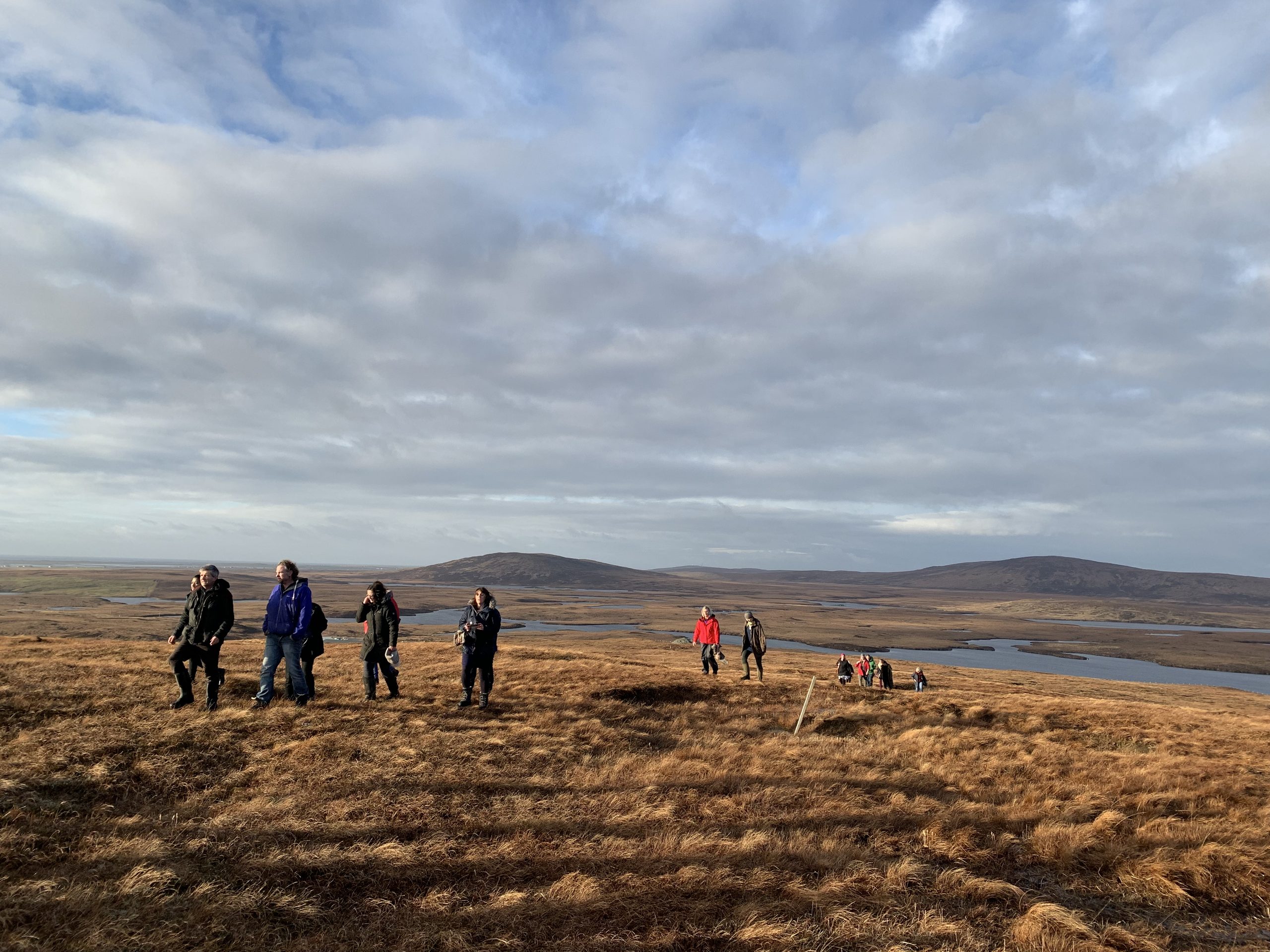
SIRFA was led by the University of the Highlands and Islands (UHI) and Islands Archaeology Institute staff at Lews Castle College UHI in partnership with Local Authority archaeologists at the Comhairle nan Eilean Siar (CnES), Shetland Amenity Trust and Orkney Islands Council. The project was coordinated by the Society of Antiquaries of Scotland and funded predominantly by Historic Environment Scotland.
Thanks and congratulations to the project team for their hard work in bringing the framework to fruition. We would also like to extend our sincere thanks to those who have contributed to SIRFA, including the speakers, volunteers and attendees at our SIRFA events and our case study contributors.
Click here to explore the framework!
Keep your eyes peeled for updates as the Orkney chapter of SIRFA is currently being prepared for publication.
Remember, registered ScARF users can comment directly on the ScARF website to add feedback, key sites or new research to any of our frameworks using our inline commenting feature. Comments will be reviewed by our team and incorporated into the website. Adding multiple comments to the relevant paragraphs helps us update specific information and illustrates the value of the feedback to future users.
Instructions for registering on the ScARF website and adding comments can be found here.