
South East Scotland has a rich medieval religious heritage. In recent decades scholars such as Richard Fawcett have considerably advanced our understanding of the region’s medieval ecclesiastical architecture (Fawcett 2002). Notably, the online Corpus of Scottish Medieval Parish Churches has provided basic surveys of many of the region’s parish churches. A key finding from this work was the identification of hitherto unsuspected medieval elements integrated into churches which have traditionally been dated to the post-medieval period. The uncertain future of many Christian congregations in South East Scotland means that study of current places of worship and of recently closed religious sites should be a priority, as it is likely that fragmentary medieval remains may have been overlooked by older surveys.
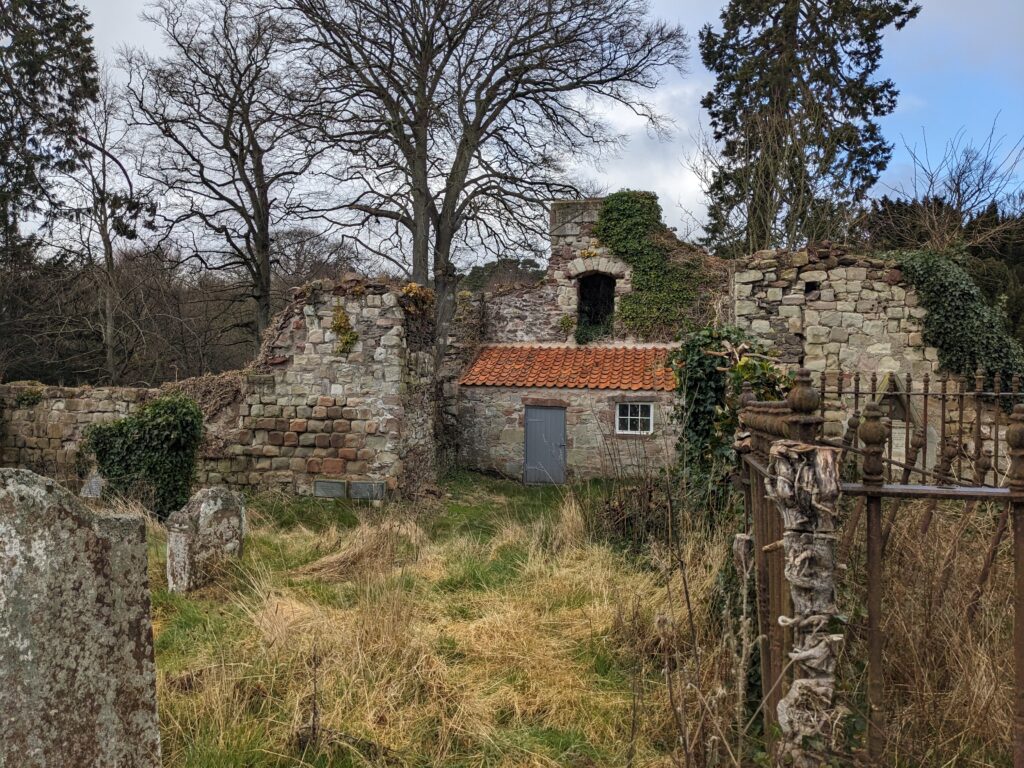
Despite considerable scholarly interest in ecclesiastical architecture (from antiquarians through to modern archaeologists and art historians), there are still notable gaps in our understanding of South East Scotland’s medieval churches. In particular, there are few surviving churches from before 1300 – the Chapel of St Margaret at Edinburgh being an unusual extant building from the early twelfth century. Those churches where work from the twelfth and thirteenth centuries survives are of national importance. Further study of the extent to which those churches which are first recorded in the twelfth and thirteenth centuries were in fact new foundations would be of interest. The historic interiors of the region’s churches, from the twelfth century through to the sixteenth century, also deserve more research. Although most Scottish church interiors underwent profound change during the post-medieval and modern periods, clues about their earlier form often remain.
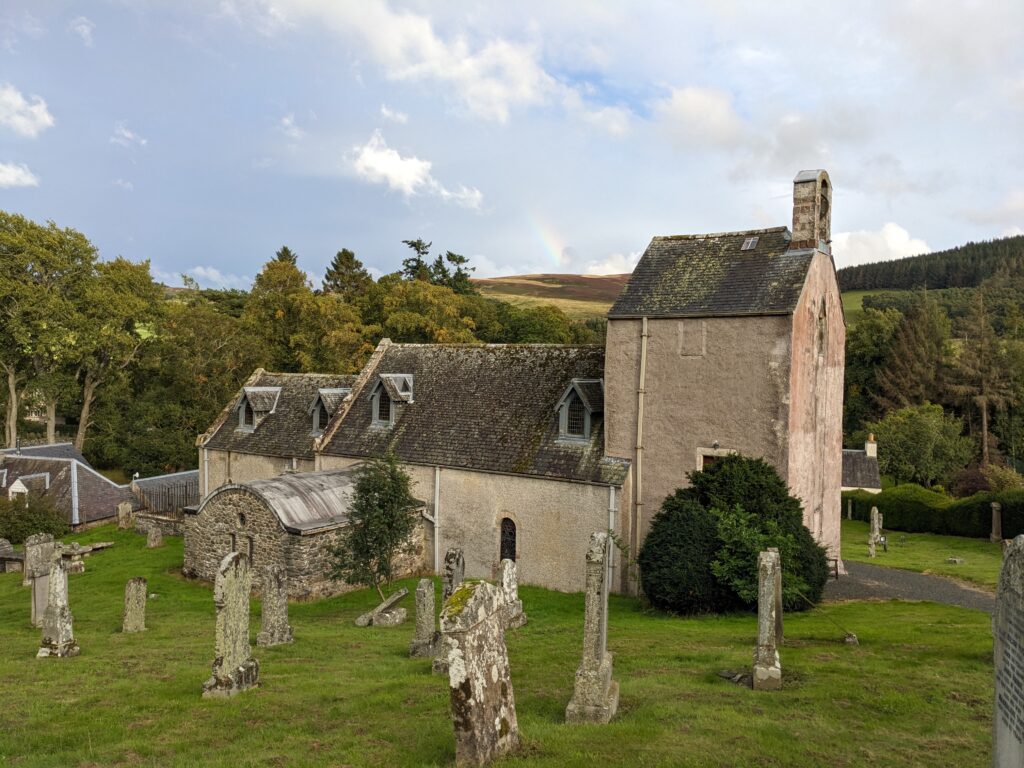
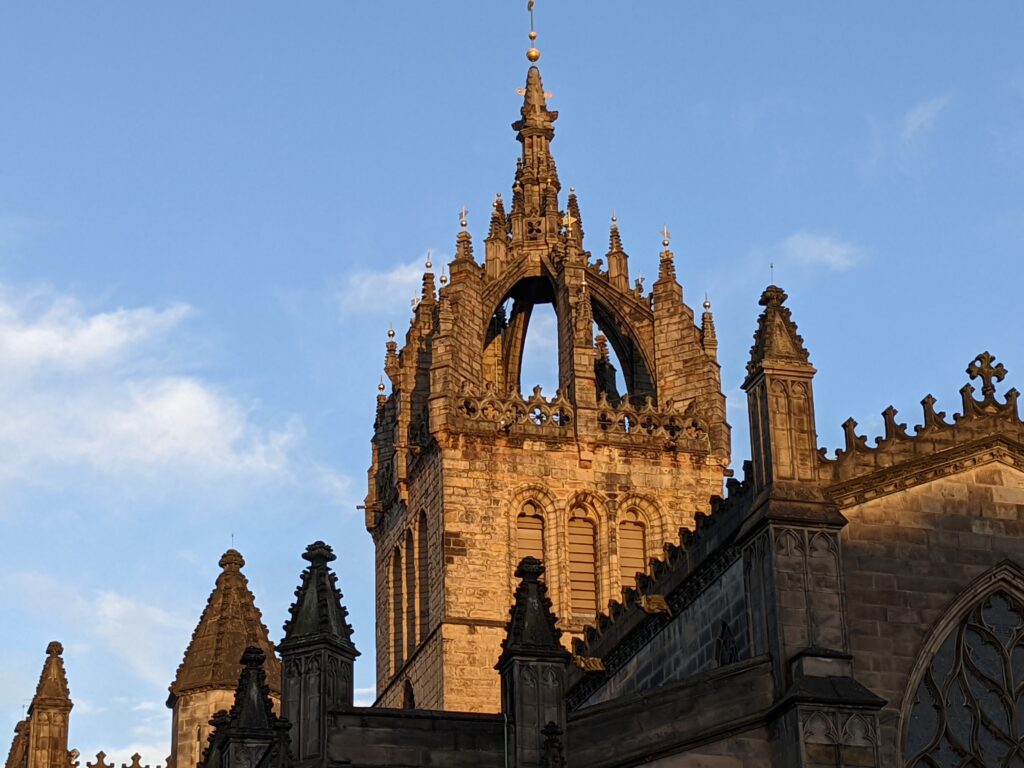
The region has several exceptionally significant late medieval collegiate churches, such as St Giles in Edinburgh, Rosslyn Chapel, Seton Collegiate Church, and Dunglass Collegiate Church. Many of these sites remain in use as places of worship (as is the case at St Giles). In other cases these locations have become heritage sites (as at Dunglass). On occasions, the site is split between religious use and partial ruination – the situation at Dalkeith Collegiate Church. The continuing religious significance of many of these locations places some constraints on the extent of archaeological investigation. However, restoration and development work at sites such as St Giles have enabled valuable archaeological interventions (Collard, Lawson and Holmes 2006). In recent years there have been increasing efforts to link the surviving architectural remains of collegiate churches with the historical evidence for furnishings and worship – enabling the decoding of previously overlooked details of the architecture (Swarbrick 2017). Further interdisciplinary study of these impressive sites, including the processes by which they were constructed, and their relationship with surrounding landscapes and communities would be helpful.
There is also a pressing need for more interdisciplinary research into the region’s less high-status churches. In general, the recording of smaller churches and chapels has been extremely patchy. Many chapels which are noted in medieval documents have not been successfully identified in the landscape – and sometimes are not listed in the regional historic environment records. The considerable work which has been undertaken regarding the medieval churches of South East Scotland, must not be allowed to obscure the fact that many aspects of these sites remain under-researched and imperfectly recorded.
Churches and Chapels Research Questions
- In what ways did church design in the region evolve over the medieval period?
- How did medieval liturgical practice influence the physical form of chapels and churches?
- How were church interiors furnished and decorated?
- What can we discover about liturgical objects (e.g. reliquaries, crosses, chalices, lecterns)?
- What statues and other images were present in churches and chapels?
- Can we learn more about small chapels, including their use and design?
- To what extent did South East Scotland’s medieval churches and chapels reflect wider European trends in liturgy and ecclesiastical architecture?
- Is there evidence for growing Marian devotion at religious sites in South East Scotland during the medieval period?
- To what extent was religious space clearly delineated / separated from wider secular activities?
- Is there evidence of trading and recreational activities taking place in churchyards?
- How did the Reformation change churches and chapels?