
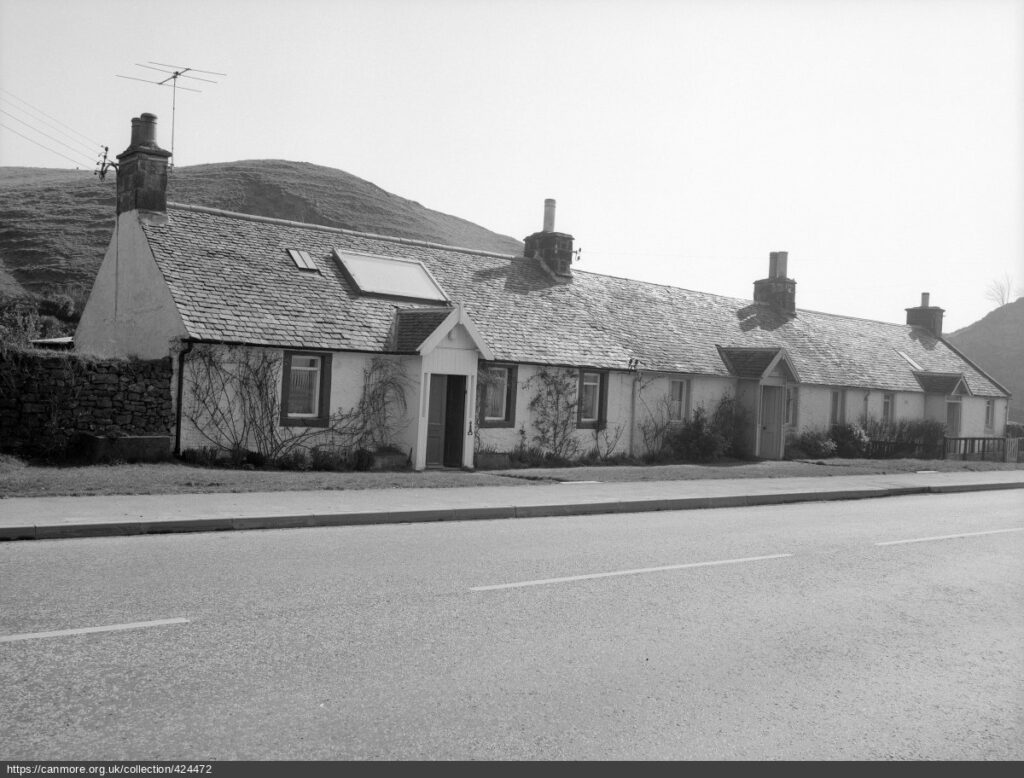
A vast range of industries were present in South East Scotland during the post-medieval period. One industry which saw notable expansion during the 18th century was textile production. Initially, much of the growth was in wool and linen. By the late 18th century towns such Hawick were focusing the local economy on textile production, and the process was becoming more mechanised with the introduction of new devices such as stocking frames (Cruft et al 2006, 85). The 18th century also saw the introduction of cotton spinning and weaving. In 1776 a water-powered cotton mill was established on the North Esk near Penicuik – this was perhaps the first cotton mill in Scotland (Nisbet 2006, 40). The expansion of the textile industry affected wider settlement patterns and infrastructure. For example, the village of Carlops was established in the 1780s to house textile workers, and 18th-century weavers’ cottages still stand in the village. Meanwhile, the building which became the Allan Ramsey Hotel in Carlops was probably constructed as a wool store around 1792. Many other unassuming structures associated with the post-medieval textile industry can be found across the region – with their future sometimes far from assured.
Paper making, printing, and book-binding expanded significantly in South East Scotland during the post-medieval period. From very limited beginnings in the 16th century, Edinburgh became a major centre for printing. There is considerable scholarship on this aspect of Edinburgh’s past – much of it for understandable reasons text-based. However, more interdisciplinary study could be undertaken regarding the places and processes involved in post-medieval printing. In particular, it is clear that there was a book trade in the region beyond Edinburgh, and further research into this aspect could be rewarding (Hay Carnie 1961).
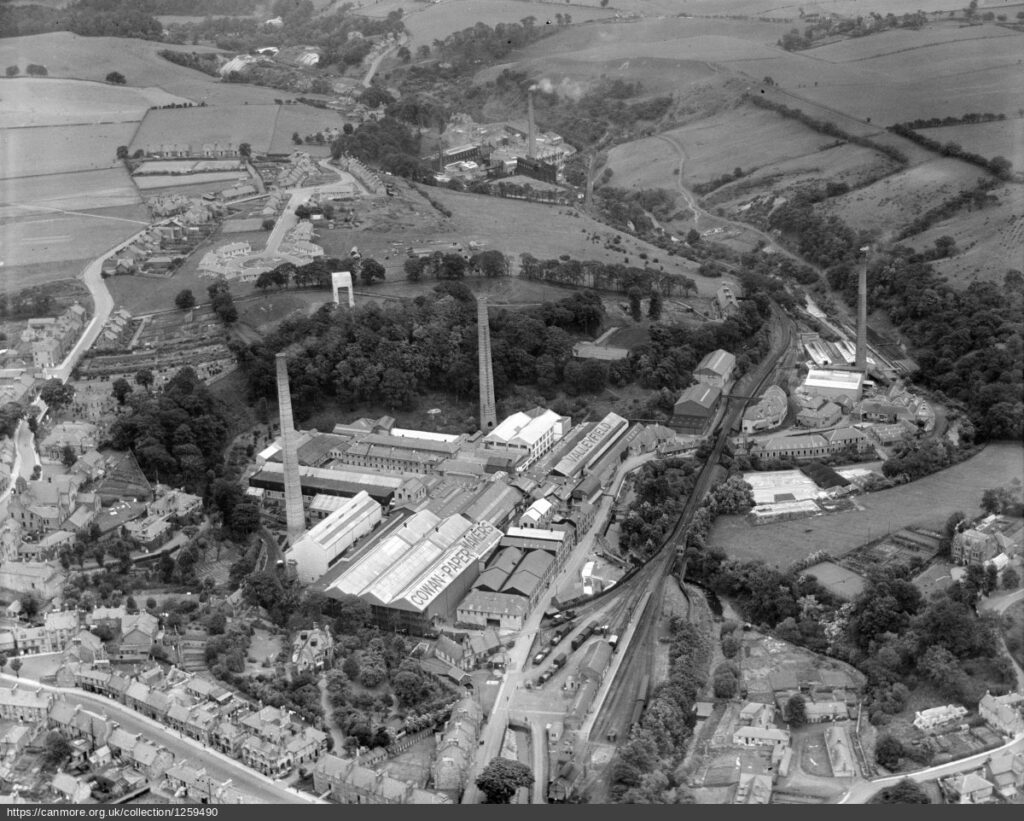
Post-medieval Scotland’s burgeoning printing industry and growing literate culture encouraged a major growth in the demand for paper. There was small-scale paper production in and around Edinburgh in the late 17th century. For example, paper makers are documented as working at Canonmills, Restalrig, Braid, and Yester in the 1680s and 1690s (Carnie 1961). The 18th century appears to have seen a move towards larger scale paper production, with a substantial paper mill being founded at Valleyfield in Penicuik around 1709; this site continued in use into the 1970s. Over the course of the 18th century further paper mills were established in the region, with twelve paper mills operating in Edinburgh by the 1770s. The capital’s output of paper supposedly rose from 6,400 reams of paper in 1763 to over 100,000 reams ten years later (Bremner, 322).
The 17th and 18th centuries saw the development of a whaling industry in South East Scotland. Mariners from the South East of Scotland were intermittently involved in Arctic whaling voyages from the reign of James VI (d. 1625) onwards, and substantial quantities of whale oil was at times brought back to Leith (Sanger 1995; Wagner 2023). In the early 18th century a boiling house for processing whale blubber was constructed in the Timber Bush area of Leith. Recently, bones from a sperm whale were discovered during excavations on Constitution Street in Leith in advance of expansion of the tram network. Further study of material remains associated with post-medieval whaling would be of interest, including consideration of the wider industries (such as soaperies) which used whale products.