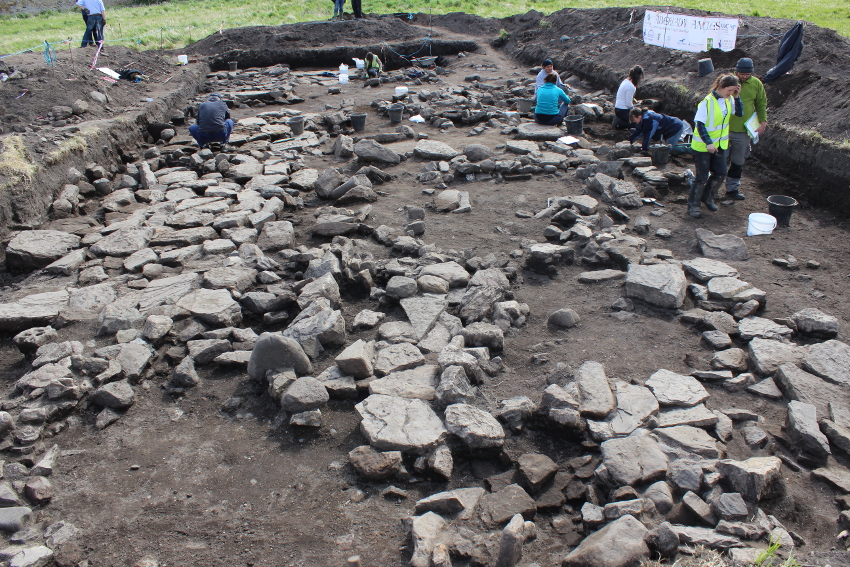
Post-medieval religious activity was not limited to official places of worship. Famously, the Covenanters held clandestine prayer meetings and sermons in a wide range of settings, including fields, caves, barns, and private houses. However, other marginalised religious groups including Episcopalians, Roman Catholics, Seceders, and Baptists sometimes met for worship in places other than formal church buildings. Further interdisciplinary work to identify sites used by marginalised religious groups could be worthwhile, although the transient nature of many of these gatherings means that they may have left a limited physical trace.
Scotland also has a long tradition of ritual activity within the wider landscape. During the post-medieval period the Church of Scotland sought to suppress traditions such as offerings at wells and crosses. However, the efforts of ministers and kirk sessions to end what they regarded as ‘superstitious’ practices does not appear to have been entirely successful. The Old Statistical Account of the 1790s notes a number of wells which were at that time still deemed to be holy or to have healing properties. In particular, the Borders appear to have had a large number of holy wells – several of which were still known in the 19th and early twentieth centuries, but now are overgrown or hard to find. Further research to identify the sites of holy wells and to ascertain whether evidence of post-medieval ritual activities can be found should perhaps be undertaken.
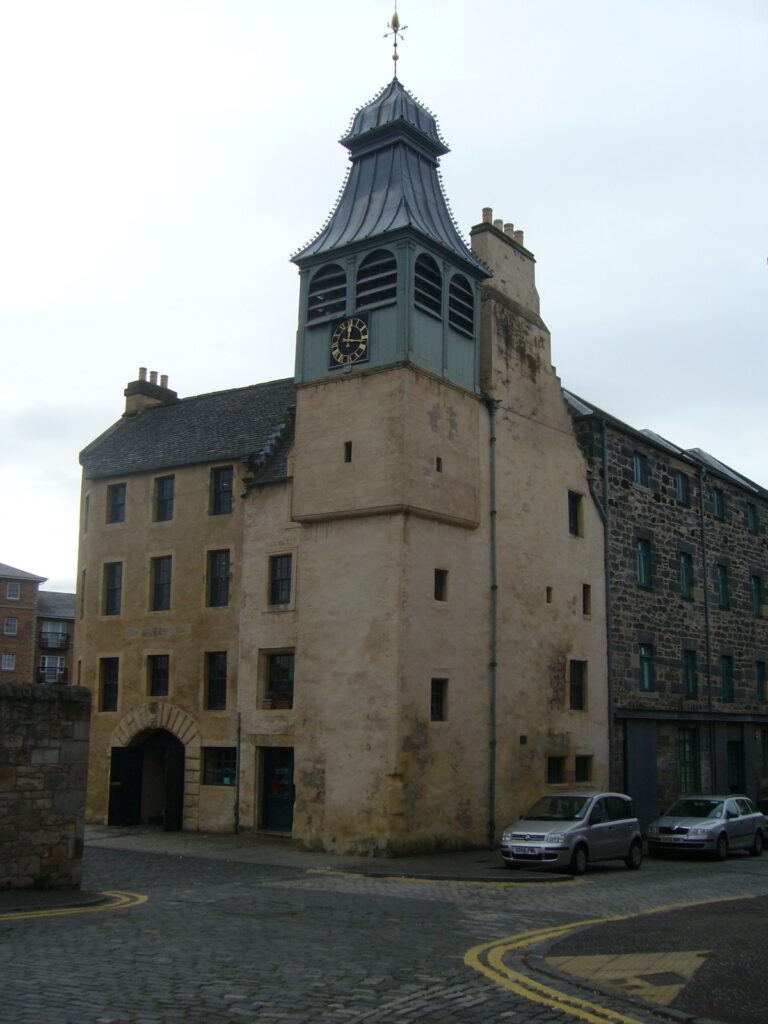
The ways in which official religious institutions also interacted with wider landscapes should not be forgotten. Among other aspects, the manses and glebe lands held by ministers deserve further study. Some exceptional post-medieval manses have survived in the South East of Scotland – including sites such as St Ninian’s manse in Leith, which had its origins in a medieval building, but which underwent major alterations in the 17th and 18th centuries. The post-medieval period saw a large number of manses being built or renovated. Recent changes in the Church of Scotland’s property portfolio mean that a number of these buildings have either recently been sold or are likely to come on the market in the near future – making research into manses of particular relevance.
Ministers also typically benefited from glebe lands – areas which the minister could farm directly. Glebe lands are often relatively well documented in historical sources. Yet have received surprisingly limited attention from modern researchers. Where archaeological interventions on glebe lands have taken place, the post-medieval history of the site has often not been the focus of study. For example, when excavations at Glebe Field at Aberlady were undertaken, much of the post-excavation discussion understandably concentrated on the Anglo-Saxon finds at this site, whilst the post-medieval discoveries (including a mortared wall, ceramics, glass, horse shoes, and animal bones) received much less consideration (Murray et al 2017). Yet finds such as those at Aberlady can help us piece together the post-medieval uses of an important element in Scotland’s historic landscape. A project specifically focused on glebes, identifying their location, the extent to which their boundaries changed over time, and pulling together the scattered evidence of how these spaces were used, could provide valuable insights into how ministers managed these spaces, and the extent to which glebe lands have distinctive characteristics relative to other areas of farmland.