
South East Scotland has a rich variety of medieval fortifications, ranging from earthworks of the twelfth century through to extensive artillery defences constructed in the sixteenth century. The region’s castles have received a degree of study, but much more work remains to be done, both regarding castles and other types of defensive structure.
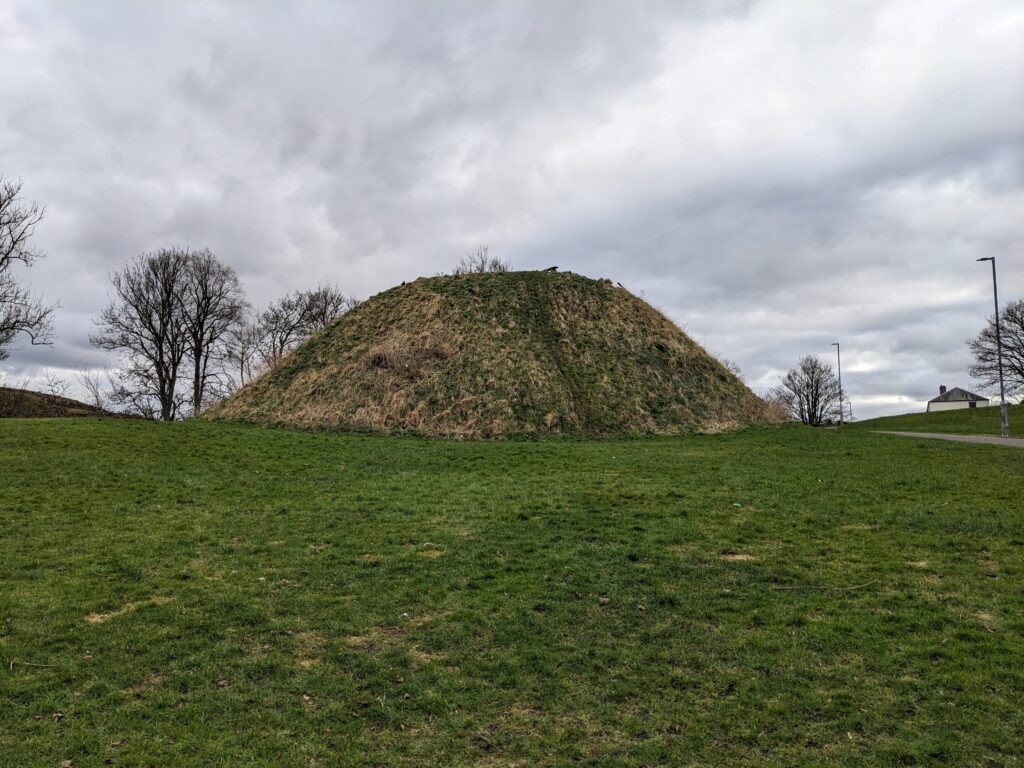
Our understanding of the introduction of castles to South East Scotland remains patchy. This is partly because later medieval defences and residences were often built on top of early castles, thereby obscuring fragile older remains. However, there has also been limited archaeological investigation at many surviving medieval earthworks in the region. For example, the early motte and bailey castle at Riddell in the Borders has not been excavated – although the relatively undisturbed nature of the earthworks suggests that the site holds considerable archaeological potential (HES Scheduled Monument Description).
Despite the presence of mottes at places such as Riddell and Hawick, it is possible that motte and bailey castles were not the norm in the region during the twelfth and thirteenth centuries (Tabraham 1986, 32). In particular, there are relatively few mottes recorded in Lothian, despite historical records indicating that this area had a large number of early estate centres. Greater interdisciplinary collaboration between historians and archaeologists might enhance our understanding of the varied forms that early castles took and their relationship to other forms of elite residences in the region.
The fourteenth and fifteenth centuries saw a number of large stone castles being constructed in South East Scotland – a phenomenon attributable to the proximity to the border with England and the presence of several leading aristocratic families. Traditionally, much of the scholarly attention focused on the impressive stone buildings at these sites. However, archaeological interventions at places such as Tantallon Castle have uncovered evidence of additional timber structures, as well as providing insights into industrial and service activities (HES Statement of Significance). The region holds considerable potential for enhancing our understanding of the ancillary buildings associated with castles. For example, at Crichton Castle there are ruined sixteenth-century stables, whilst significant free-standing dovecots survive beside the castles at Dirleton and Tantallon (Kenyon 1990, 156-157).

Recent decades have seen considerable debate over the extent to which castles were designed as defensive structures. Certainly, many castles in South East Scotland had features which did not serve a military purpose – for instance the extraordinary Italianate loggia and diamond rustication at Crichton Castle reflects the site’s role as an elite residence, rather than serving any defensive function. More research into castles as places of entertainment and display, and how these aspects shaped the design of both the buildings and their associated landscapes would be desirable.
That being said, many of the region’s fortifications did at times experience armed conflict, particularly during the Wars of Independence and the Anglo-Scottish wars of the sixteenth century. Arguably, sieges have received less attention than major battles (perhaps because they are excluded from the national battlefields inventory). Yet the longer duration of sieges, and the sometimes quite extensive siegeworks which they created, mean that they are more likely than battles to have left significant archaeological evidence. More research into sieges in the region should be a priority, with study of Haddington, the Old Town of Edinburgh, and Leith being particularly desirable. Excavations at Great Junction Street and West Bowling Green Street in Leith have led to the discovery of remains relating to the 1560 siege and to other periods of conflict (Paton and Cook 2016). Yet many areas of Leith remain under studied.
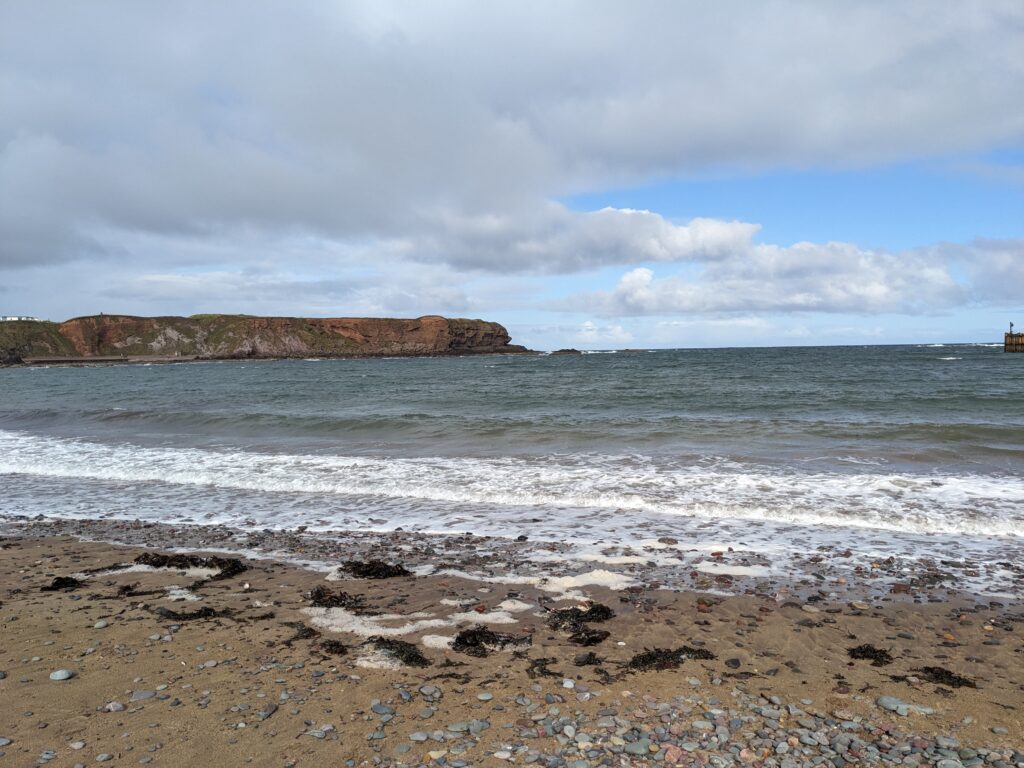
The fifteenth and sixteenth centuries witnessed an increasing emphasis on gunpowder weapons – with implications for the region’s fortifications. South East Scotland was one of the first regions in the British Isles to see the construction of Italian style angled-bastion fortifications, with several artillery forts of this type being built by English and French garrisons during the 1540s and 1550s. Excavations at Eyemouth Fort in the 1990s highlighted the considerable potential such sites hold both for understanding the development of artillery defences in Northern Europe and for revealing more about the lives of sixteenth-century garrisons (Caldwell and Ewart 1998). These are sites of international significance, which deserve greater attention than they have thus far received.
Last, but not least, smaller defensive structures should not be overlooked. South East Scotland has an exceptional number of small fortifications – a reflection of the troubled late medieval history of this region. These vary from moderate sized tower-houses with associated fortified enclosures (such as Smailholm Tower) through to the small bastles of two or three rooms (such as Mervinslaw Tower). Excavations at Smailholm provided much greater understanding of the relationship between the tower and the wider site (Good and Tabraham 1998). Further work on smaller fortifications has the potential to enhance understanding of conflict and to cast light on the day to day functioning of the region’s medieval rural communities.
Fortifications Research Questions
- What factors led to certain sites being fortified?
- To what extent did military considerations shape the design of castles? How different were castles from other forms of elite residence?
- Were tower houses more about status than defence?
- What factors led to the construction of bastles? What can we learn about the socio-economic status of the people who inhabited bastles?
- Can we find evidence of fortifications being burnt or razed?
- What can we learn about sieges in South East Scotland?
- How did artillery weapons affect the design of fortifications?
- What can we learn about the trace-italienne fortifications constructed in southern Scotland during the sixteenth century?
- What role did earth and wood defences play in fortifications? Do we underestimate the significance of earthen defences in the later medieval period?
- What can we discover about defences for harbours and burghs?