
Between AD 1800 and 2025 South East Scotland largely avoided being on the frontline of major conflicts. Nevertheless, war did still have a significant impact on the region. The Napoleonic period saw the recruitment of large numbers of men from South East Scotland to serve in the army and the navy overseas. Meanwhile, the diversion of resources to the war effort may have placed the local economy under significant pressure. Indeed, further research into the ways in which economic activity and standards of living shifted during the Napoleonic period could be of interest.
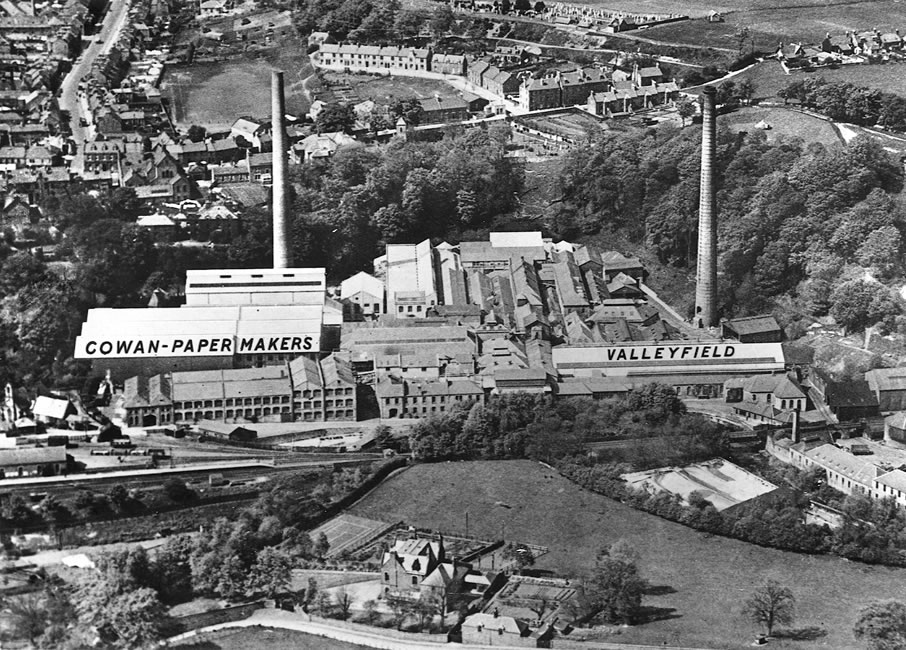
The region also housed significant numbers of prisoners of war, with sites as diverse as Edinburgh Castle, the textile mills at Valleyfield near Penicuik, and mansions such as Greenlaw, serving as prisons for captured soldiers and sailors from France and other nations. The experiences of the prisoners of war at Edinburgh Castle have recently received considerable archaeological attention (Tabraham 2008). However, many of the other sites which held prisoners of war could benefit from further study.
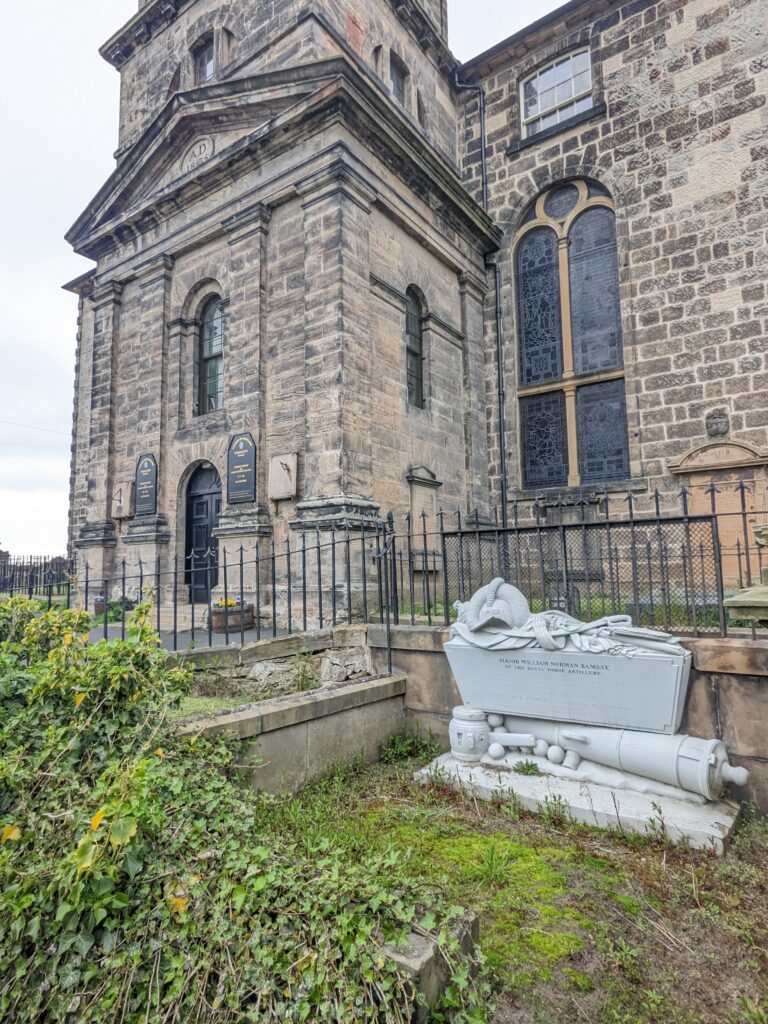
For much of the mid and late 19th century, the South East of Scotland was less obviously under external threat. Nevertheless, British military involvement in the Crimea and in numerous colonial conflicts meant that military service was part of the experience of many of the families living in South East Scotland during this period. This overseas military involvement was memorialised in both personal memorials, such as the tomb of Major Ramsay outside Inveresk Kirk, and in regimental and national memorials, like the India Cross – which stands on the esplanade of Edinburgh Castle and records the involvement of Scottish soldiers in fighting in India in 1857. In comparison to the memorials of the First and Second World Wars, these earlier monuments have received less study. Yet they arguably deserve more attention, both for what they show about 19th century commemorative practices and for the ways in which they defined the conventions which shaped 20th century memorials.
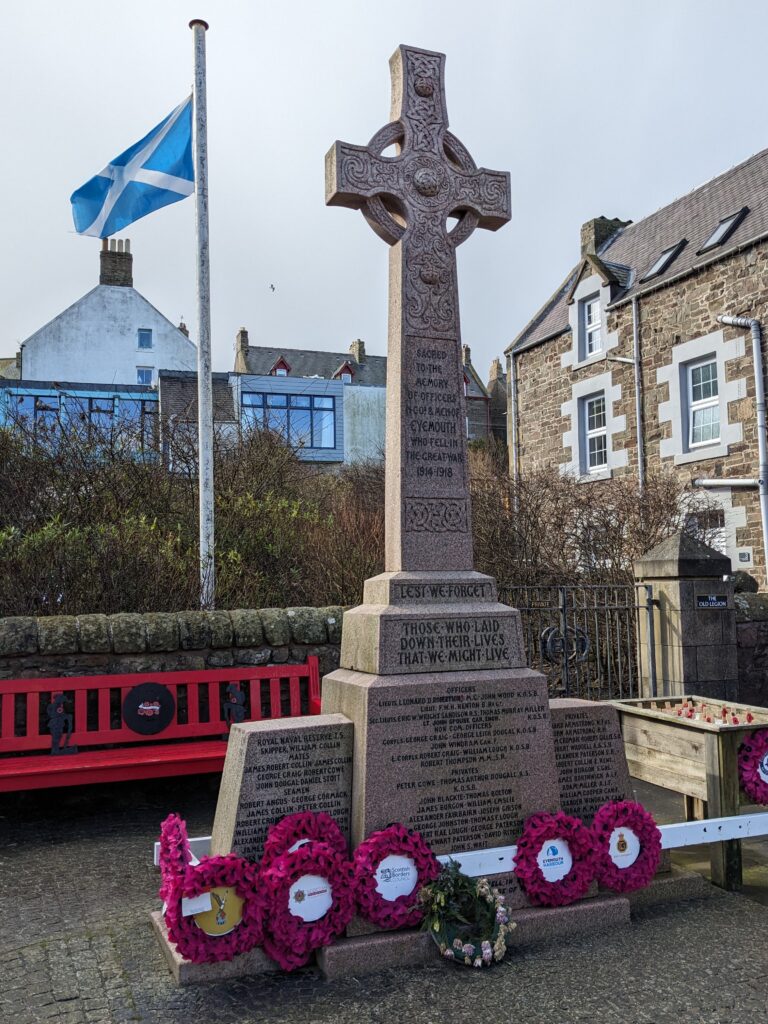
The First and Second World Wars had a profound impact on South East Scotland. Large numbers of people from the region served in both wars, a significant proportion of them never returning. Like most parts of Britain, the region is dotted with war memorials from the early 20th century. In the early years of this century, major efforts were made to record the memorials of the world wars. Many remain at the heart of community commemorations. However, some smaller and isolated memorials are perhaps more at risk.
The Second World War also brought to South East Scotland the experience of actual and threatened aerial bombing. Although the South East did not suffer as severe bombing as places such as Glasgow, the region did still see some significant damage. For example, in 1940 the Caledonian Distillery in Edinburgh was bombed, causing a major fire which spread to surrounding tenements. In preparation for bombing raids considerable numbers of air-raid shelters were established, some adapted from previous structures, others purpose built. Further research, particularly into smaller private air-raid shelters might be beneficial.
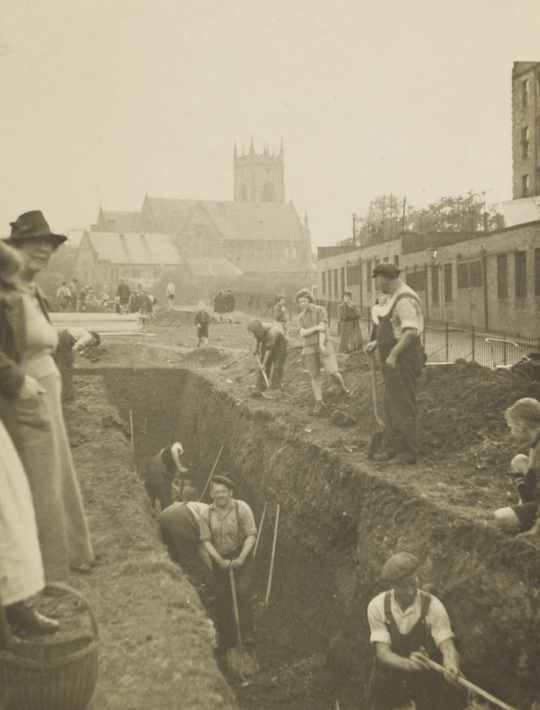
Both World Wars saw major changes to economic activity in South East Scotland. Shortages of food and many other resources were widespread. There was an associated effort to extract more from the land. Further research into the ways in which shortages affected people’s daily lives, and the extent to which efforts to extract more from the land impacted the environment would be desirable. Despite South East Scotland’s distance from the main spheres of modern conflict, we should arguably see war as one of the defining experiences of this region during the modern period.