
The impact of post-medieval warfare was not restricted to pitched battles. During the 17th and 18th centuries a large military presence almost inevitably entailed considerable disruption to surrounding communities. In a society in which resources were scarce, the arrival of several thousand extra people (plus their associated animals) often posed major issues of supply. Further research into how the provisioning of post-medieval armed forces affected South East Scotland during the 17th and 18th centuries would be desirable.
Disease was another consequence of early modern warfare. Indeed, historical records suggest that infection severely increased the death toll amongst the Scottish prisoners in the aftermath of the Battle of Dunbar. Large numbers of people moving about in cramped and difficult circumstances provided considerable opportunities for illness to spread. Further study of the relationship between conflict and infectious diseases in South East Scotland would be desirable.
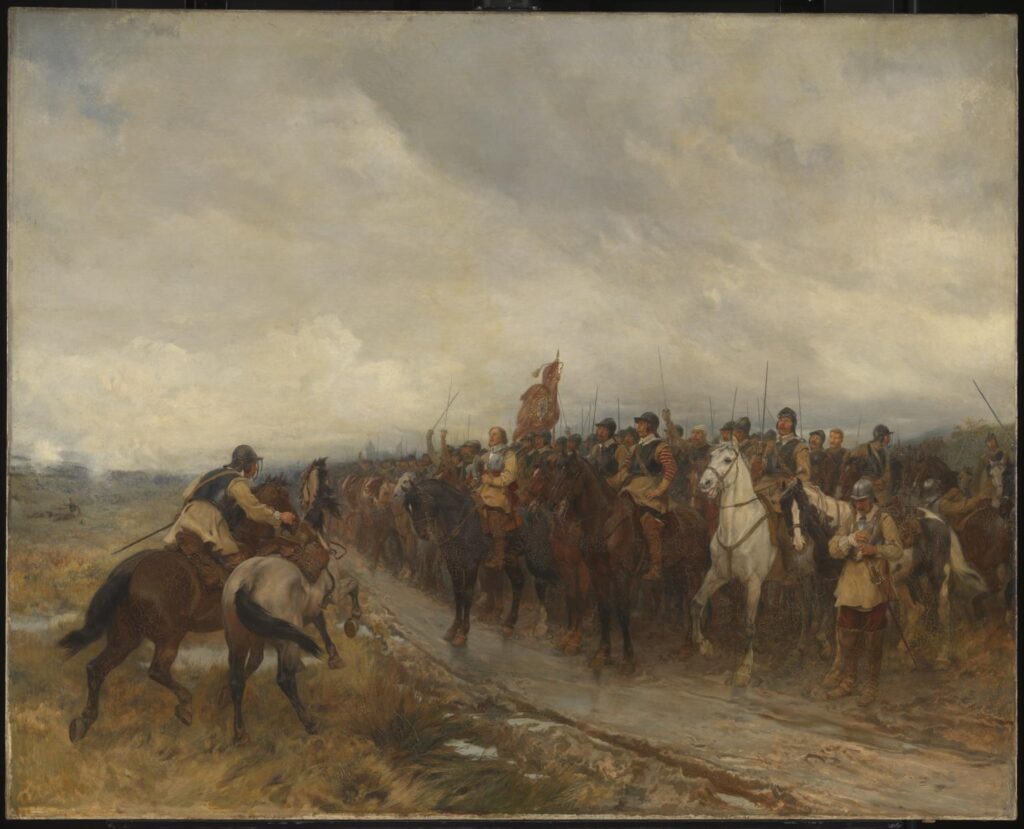
During the post-medieval period, the hardships of the inhabitants of South East Scotland were worsened by commanders choosing to lay waste to the countryside in an effort to deprive their opponents of resources. Historical records suggest that the campaign of 1650 to 1652 was particularly brutal in this respect, with David Leslie adopting a scorched earth policy as part of his preparations for resisting Cromwell’s invasion, leading to severe food shortages for the local population of Southern Scotland as well as the invaders. Through techniques such as pollen analysis, as well the recording of sites where there direct evidence of looting or burning, the archaeological record could potentially provide us with a more detailed understanding of the scale of the hardship and environmental disruption which accompanied different conflicts.
Yet in some situations a military presence was less catastrophic. The presence of armed forces did at times provide economic opportunities. Meanwhile, during the 18th century, the activities of the Board of Ordnance and other military units helped enhance the region’s infrastructure. In recent years there has been considerable archaeological study of the large-scale post-medieval military building projects in the Highlands. The impact of the military on southern Scotland’s infrastructure was less dramatic, but still significant. Further work could be done to consider the ways in which post-medieval military engineers reshaped the structures and landscapes of South East Scotland – the legacy of which many of us still navigate today.