
During the modern period, the influence of faith groups on the architecture of South East Scotland has not been restricted to places of worship. Religious organisations have played a key role in wider communal life, and during the nineteenth and twentieth centuries significant numbers of church halls were constructed in the region. In comparison to churches, the region’s church halls are poorly recorded. Yet they were, and sometimes are, an integral part of community activities. Further research into church halls would be desirable, especially as, like places of worship, many are currently facing a change in ownership.
The twentieth and twenty-first centuries have seen significant changes to housing for members of the clergy. The nineteenth century saw the expansion and construction of numerous manses for ministers. Manses belonging to the Church of Scotland had a particular prominence in many communities, partly as a result of the legal requirement for ministers in the established church to be provided with a ‘competent’ manse – a responsibility that was upheld in law until the 1920s (Cruft et al 2006, 81). Notable architects were sometimes commissioned to design manses. For example, James Gillespie Graham and Robert White worked on the redesign of Greenlaw Manse, also known as Mansefield House, in the Borders (Cruft et al 2006, 82). The region’s manses have been inconsistently recorded. Further research into the manses of South East Scotland would be desirable.
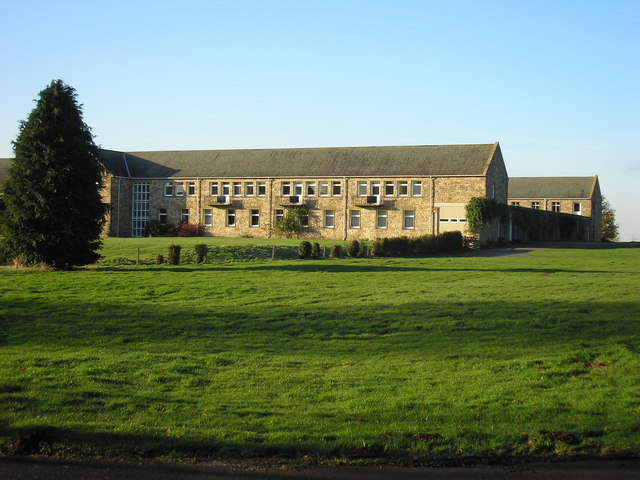
The modern period also saw the a small-scale re-introduction of monastic life in South East Scotland. In 1946 Nunraw Abbey was founded in the Lammermuirs. It was the first Cistercian community established in Scotland since the Reformation. Many of the buildings at Nunraw were constructed during the 1950s and 1960s, and it remains an active monastic site (https://nunraw-abbey.com/about-us/our-history/).
Wider Religious Landscapes Research Questions
- What can we discover about religious activities in settings other than formal places of worship?
- What can we learn about halls, missions, schools, and other buildings and institutions sponsored by religious groups?
- What can we learn about the housing of ministers and other clergy?
- To what extent could religious images and mottos be seen in seemingly secular settings (e.g. civic buildings)?