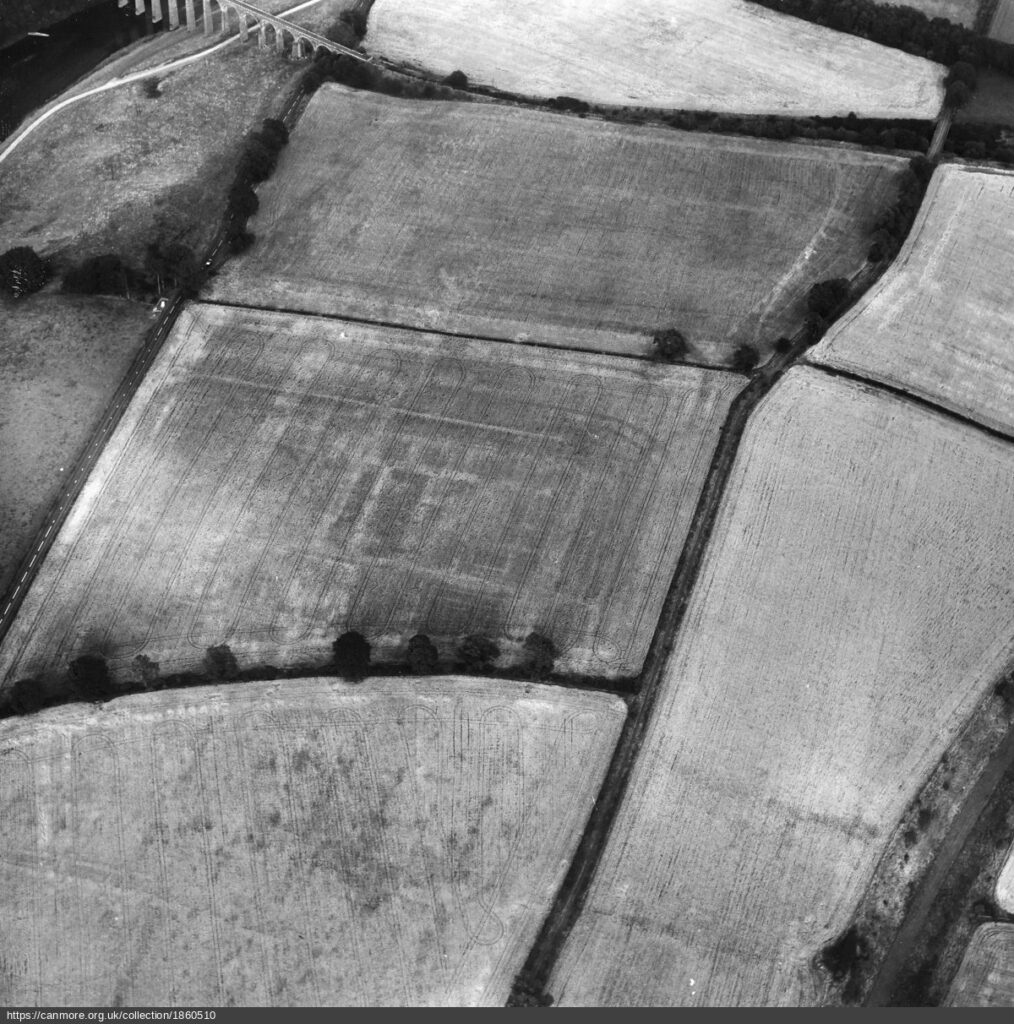
While conservation of sites is a significant issue for all time periods, it is perhaps more acute for sites of the Roman period because of the exceptional survival of material, particularly in waterlogged contexts, and its potential loss due to present and future climate change and shifts in agricultural practice. While there is an assumption that sites are generally better preserved in-situ, there is a strong argument that progressive plough attrition has already extensively truncated sites (Cowley 2016; Dunwell and Ralston 2008; Noble et al 2019). While some Roman sites will have a deeper depth of deposits which provide some protection, campaign camps and contemporary Iron Age settlements are particularly vulnerable. In the context of changing climate, in particular, this needs critical re-examination. Previously waterlogged deposits with good organic preservation in ditches and pits, most notably at Newstead but potentially present at other sites as well, may dry out if there are significant changes in ground water. This may result in the loss of critical information which had survived into the 21st century. There needs to be active research into assumptions of site preservation and monitoring of buried environment. This needs to be conducted both on general trends (i.e. an understanding of generic threats that may apply to many sites) but also include the study of specific threats at individual sites. There may be a consequent requirement for more active intervention where rapid loss of cultural heritage is suspected.
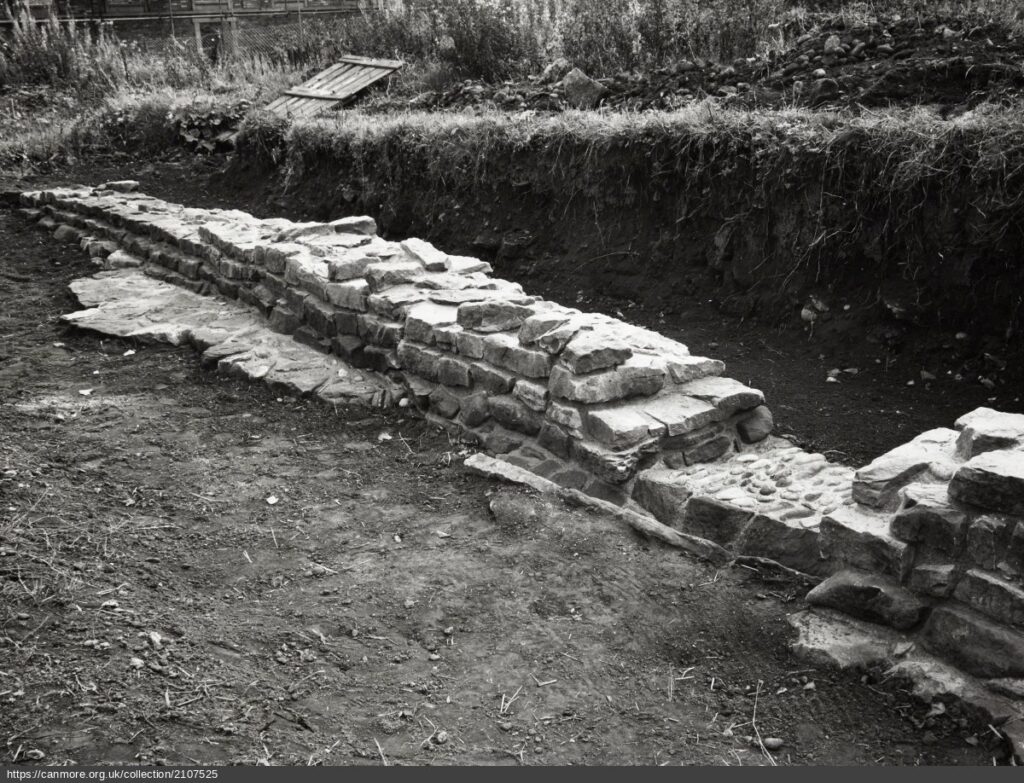
Attention also needs to be paid to the visible, physical legacy of the Roman presence in south east Scotland. In contrast to Hadrian’s Wall and to an extent the Antonine Wall, most Roman remains are invisible to the public in south east Scotland. Only Cramond has any visible remains, and even there the excavated and well-preserved bath house is underground. While visible remains may appear to have only a marginal direct impact of research, they are important to maintain and build profile. Physical remains promote further research through public engagement. There is, therefore, a need to explore the public legacy of sites, for example through post excavation conservation and display. Community engagement with sites can directly enhance their protection as well understanding.