
During the medieval period South East Scotland had complex economic networks, with the exchange of a wide range of goods both within the region and overseas. In particular, the royal burghs had important overseas connections. Evidence from written records, dendrochronology, and the study of ceramics, all indicate that this part of Scotland traded extensively with countries across Northern Europe and at times with regions much further afield. For example, there is evidence of Italian ceramics being used in Edinburgh and Leith, as well as at coastal elite sites in the Borders, such as Fast Castle (Haggarty, 2020). Further interdisciplinary study of these international connections should be undertaken, utilising evidence preserved within the region and further afield.
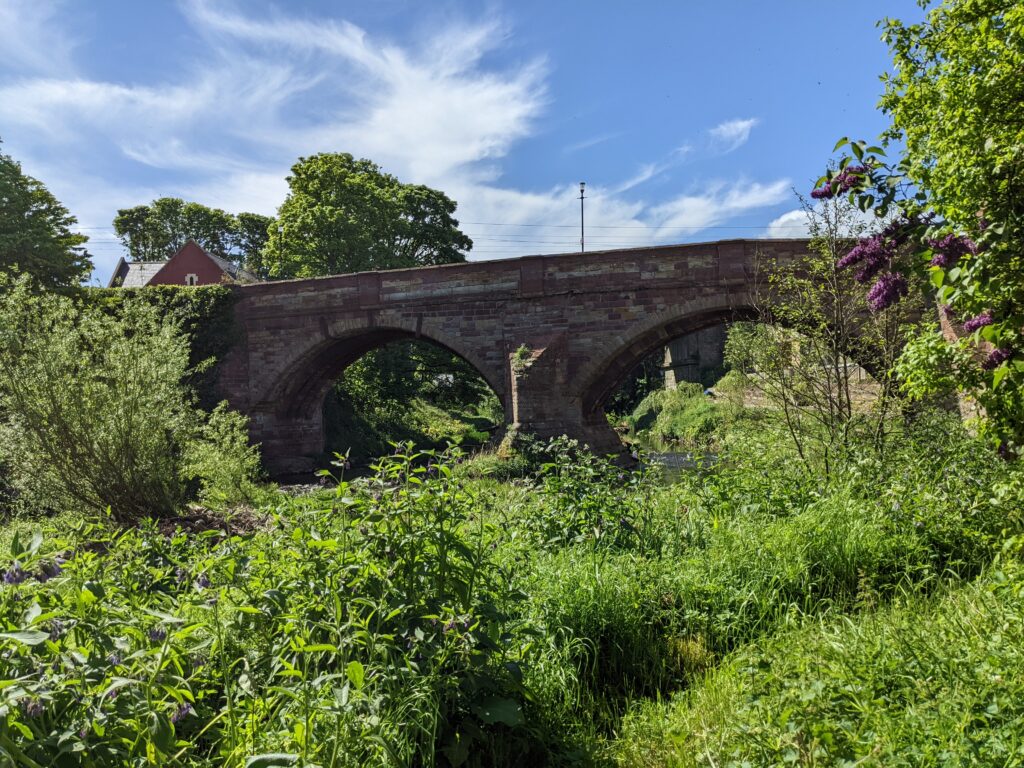
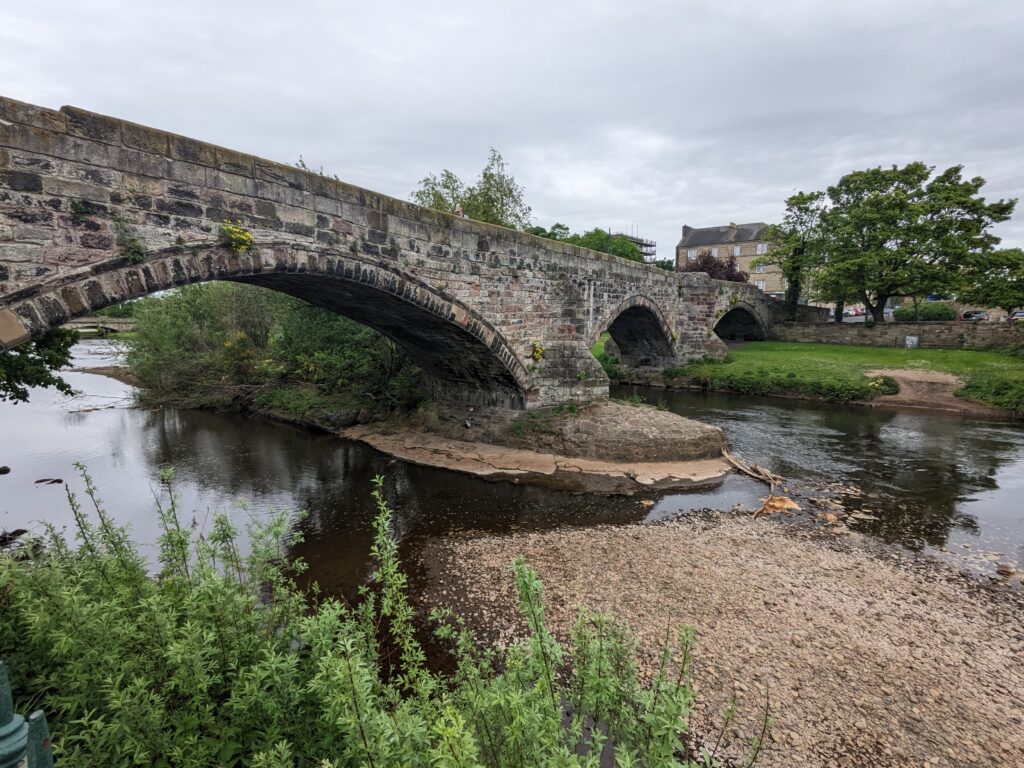
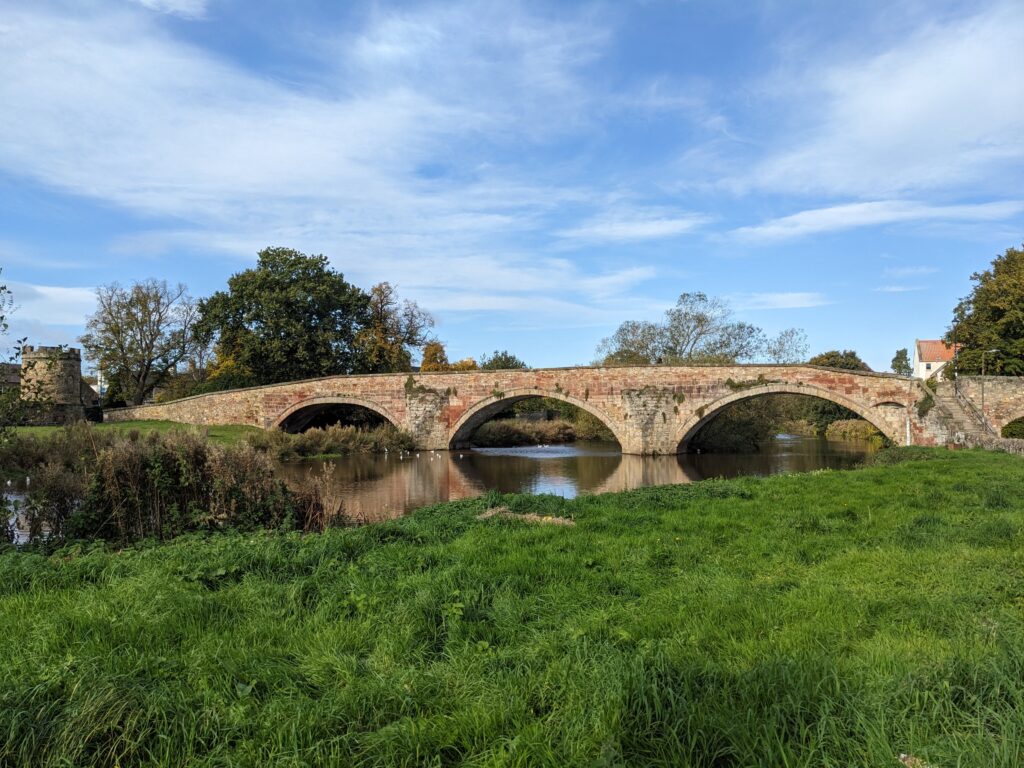
There is a need for better understanding of trade and transport within the region. More study of medieval river crossings would be especially desirable. The recent Ancrum Bridge project has highlighted the potential for medieval remains being preserved beside later bridges. Meanwhile study of the old bridge at Musselburgh has shown several phases of construction integrated into the current bridge. Greater study of other bridge sites could prove highly productive. Interdisciplinary study of the locations of ferries and fords might also be beneficial. It should perhaps be noted that the recording of medieval ferry and ford sites by RCAHMS was historically poor and does not reflect the number of river crossings documented in medieval written records.
The places where goods were exchanged also deserve greater study. The medieval period saw the development of formal market places, with their locations indicated by mercat crosses. A few medieval mercat crosses still survive in the region – notably at Ormiston in East Lothian. Further study of what remains of this and other medieval mercat crosses in the region could be of interest. More research into many other aspects of medieval market places, including the siting and design of trons or weigh-beams would be helpful.
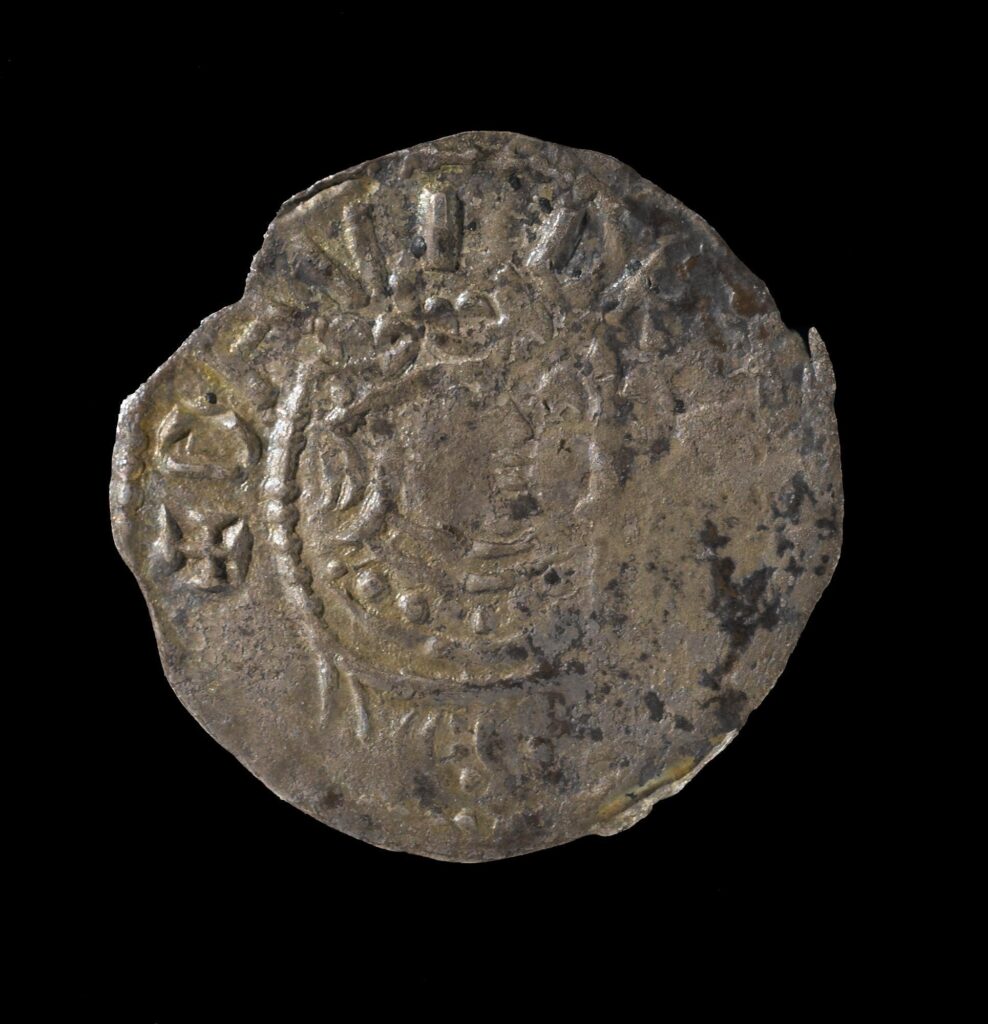
Written records indicate that for much of the medieval period many payments and exchanges were made in kind. However, money was also significant, particularly during the later medieval period. Greater research into the dissemination of coinage into communities across South East Scotland should be undertaken. Metal detecting activity has significantly expanded the number of coins discovered as stray finds. Research which seeks to provide an overview of the significance of these finds is desirable. Pleasingly, there has been a recent doctoral thesis by Carl Savage on medieval coinage in the Borders, and more work of this kind might be helpful (Savage 2025). South East Scotland played a major role in the production of coins and had a number of medieval mints. By the end of the medieval period the main royal mint was in Edinburgh, on a site between between the High Street and Cowgate in South Gray’s Close. This site has seen a degree of archaeological intervention, with trial trenching in the 1970s revealing a section of wall possibly connected to the mint and some medieval ceramics. The late medieval mints at Holyrood and Edinburgh Castle perhaps deserve more investigation. Work on the early mints at Dunbar, Jedburgh, and in particular Roxburgh (which appears to have produced coins from the reigns of David I through to Alexander III) should also be considered.
Economic Networks Research Questions
- What were the main goods traded in South East Scotland during the medieval period? To what extent does the physical evidence of trade align with the documentary record?
- Where were goods exchanged? To what extent were transactions focused on official marketplaces?
- What can we learn about the evolution of medieval market places and associated structures (e.g. trons, mercat crosses)?
- What can we learn about medieval fairs in South East Scotland?
- How important were the burghs to the economic structures of South East Scotland?
- What were the trading routes within South East Scotland?
- Which were the key overseas trading routes? How significant was international trade for burghs other than Edinburgh?
- What can we learn about medieval harbours in the region? How substantial were structures on the waterfronts?
- What can we learn about trading ships in South East Scotland in the medieval period?
- How were goods transported to and from trading vessels?
- To what extent did imported goods reach smaller burghs and rural areas?
- Did the role of money change during the medieval period? Is there evidence for a growing reliance on coin rather than payments in kind?
- How widespread was the presence of foreign coins in South East Scotland?