
From the beginning of the 1800s AD through to the present, South East Scotland has not experienced enemy invasion. In this, as in many ways, the modern period is strikingly different to those which preceded it. Nevertheless, for most of the 19th and 20th centuries military and civilian authorities seriously planned for the possibility of invasion. Concerns about foreign action against South East Scotland were at their most acute during periods of major conflict, such as the Napoleonic Wars, the First World War, and the Second World War (during which Edinburgh and other sites along the Forth actually experienced aerial attacks). However, even in times of relative peace, such as much of the reign of Queen Victoria or the decades after 1945, concerns about possible future wars drove successive governments to invest in fortifications and military sites.
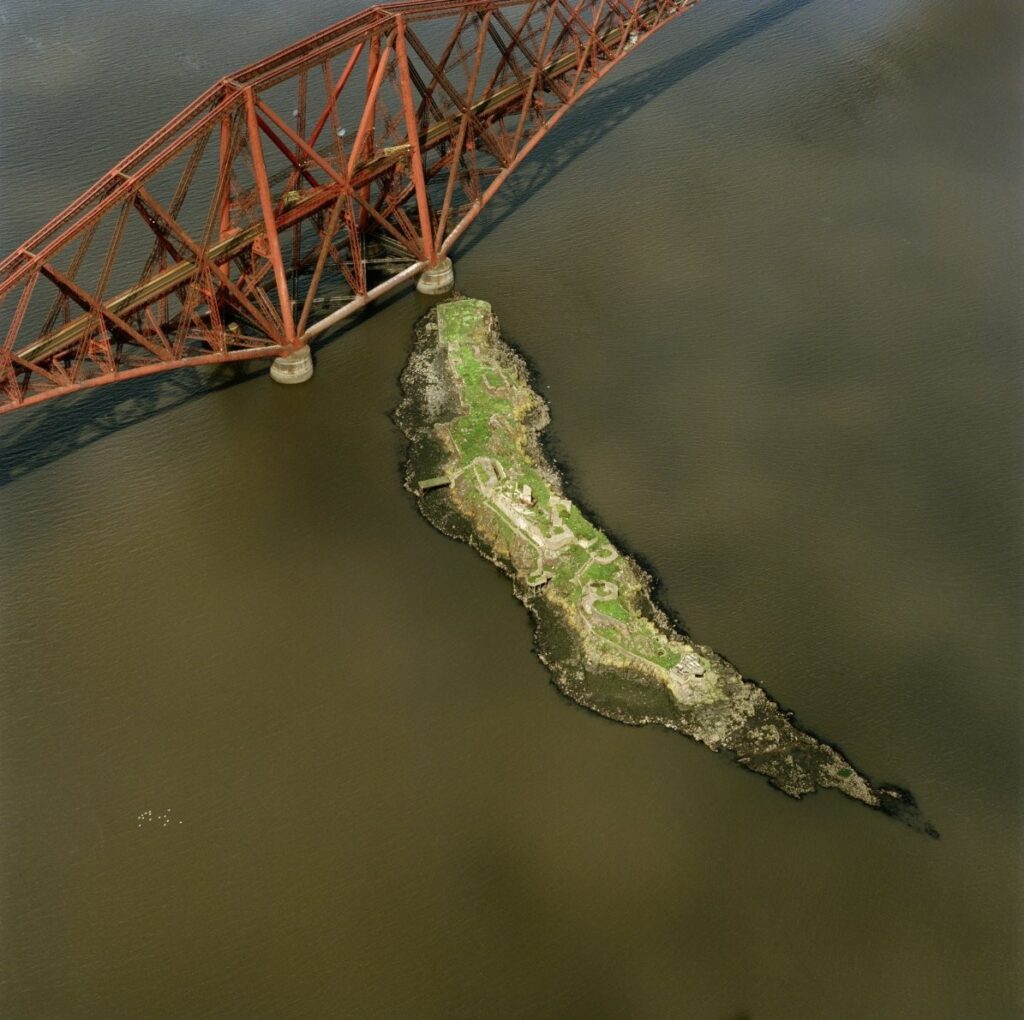
A number of older fortifications continued to be occupied and developed throughout the modern period. The historic military site of Edinburgh Castle saw significant 19th-century building work and has continued to serve some military functions up to the present day. On a rather less grand scale, the island of Inchgarvie in the Forth had early 20th-century defences built over the remains of 17th-century fortifications. Similarly, the island of Inchmickery, which has been fortified since at least the 16th century, saw significant defences being built there during the world wars. Both Inchgarvie and Inchmickery have seen some archaeological recording as part of GUARD’s 1996 Coastal Assessment Survey for Historic Scotland, although further study could be helpful, especially as the remains on Inchgarvie appear to be suffering because of the island’s exposed location.
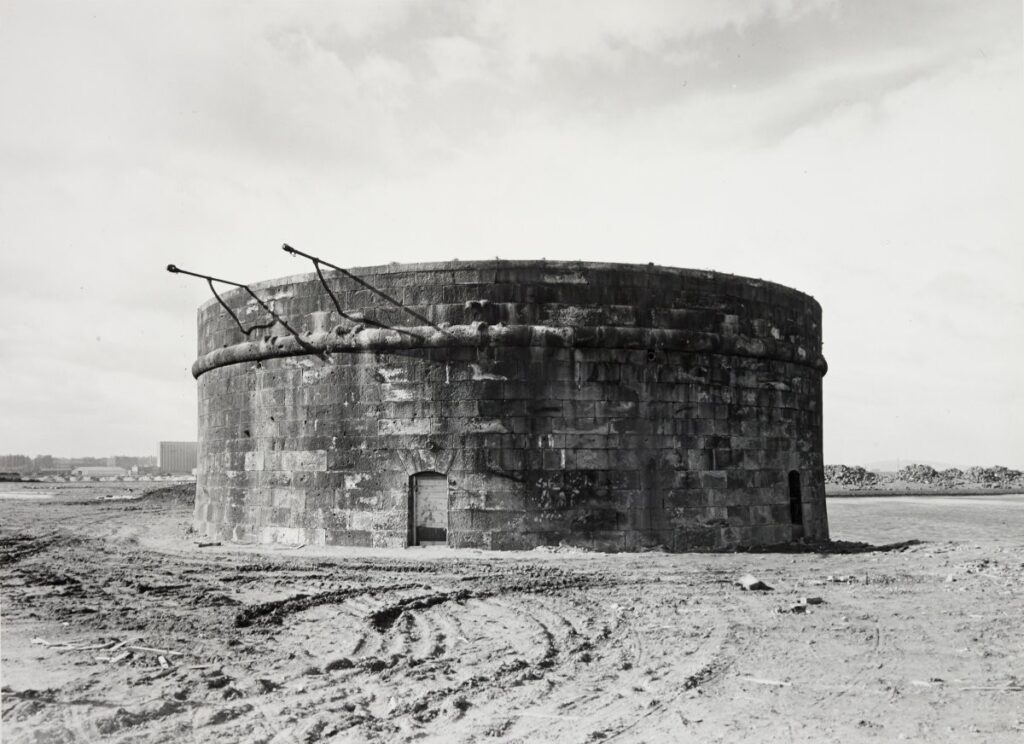
The Napoleonic era triggered the construction of new defences, mostly focused on potential attack from the sea. In 1809 a Martello tower was built at the entrance of Leith Harbour to defend the port. This site is now surrounded by modern works associated with the port of Leith and access is challenging for researchers. Yet the Leith Martello tower is a structure of some significance, as it is one of only three built in Scotland – the vast majority of Martello towers being located on the coast of southern England (Anderson and Fleet 2018, 157).
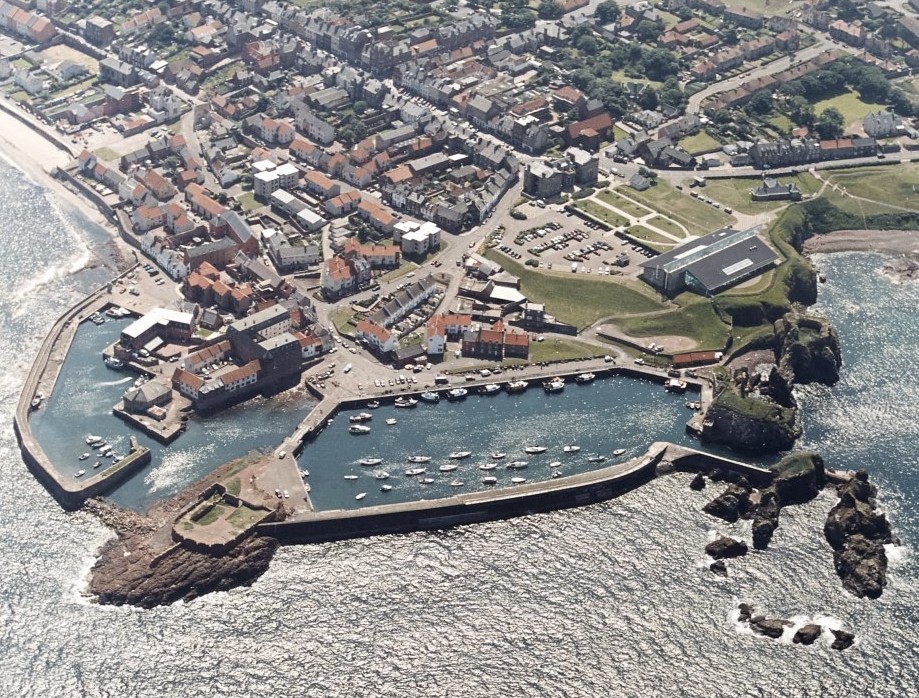
Coastal gun batteries constructed in the 18th-century continued to be manned during the conflicts of the early 19th century. For example, the D-shaped battery on Lamer Island beside the entrance to Dunbar Harbour was built in the 1780s by local officials, then was adapted to national defence during the Napoleonic Wars when it had sixteen guns. Lamer Island had a later purpose as a military hospital during World War One. In the 2010s the island was the subject of a watching brief which revealed further details about the structure of the battery and the successive phases of occupation during the modern period (Sproat et al 2017).
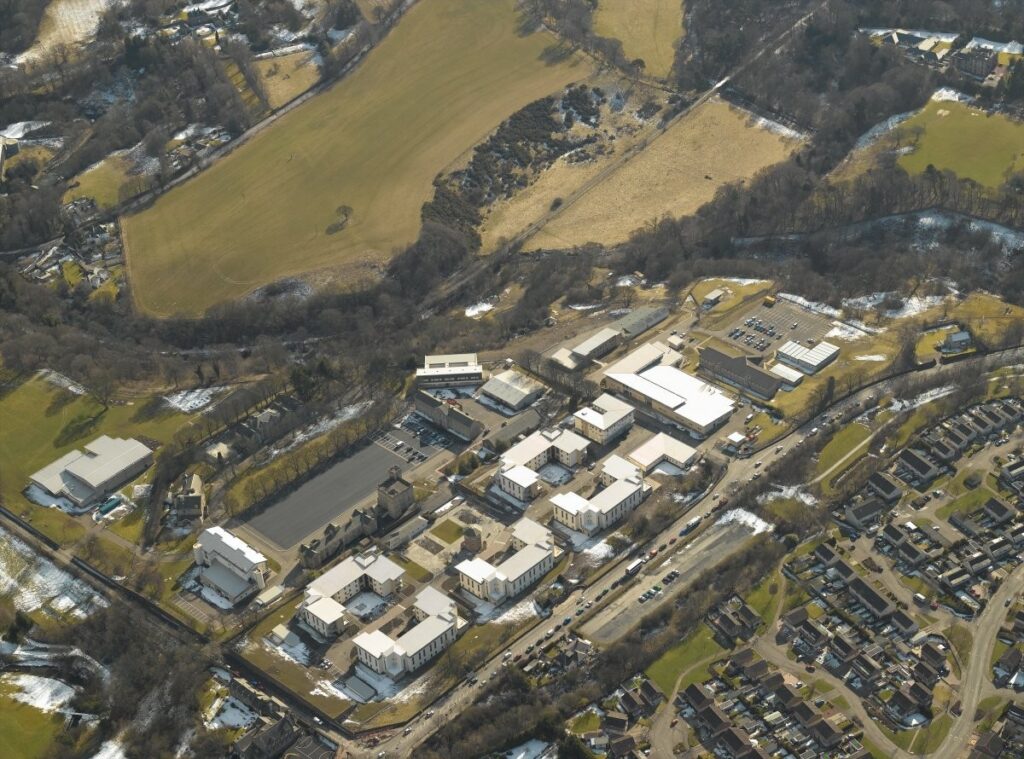
Much of the modern period saw the British government needing to house large numbers of soldiers. Numerous military units were based in the region during the 19th and 20th centuries, both for the defence of South East Scotland and for undergoing training prior to service overseas. This period saw the expansion of existing barracks, such as those at Leith Fort – which was originally constructed in the 1780s and continued in use until the 1950s when much of the site was cleared for social housing, although the perimeter wall and guardhouse still stands. Leith Fort was partially excavated in the 21st century, when Headland Archaeology uncovered remains associated with the ordnance store, stables, and parade ground.
The 19th and 20th centuries also saw new sites being converted to military uses. For example, the early 19th century saw the construction of Glencorse barracks near Penicuik on what had, in the 18th century, been the site of a country house at Greenlaw (Anderson and Fleet 2018, 164). Glencorse remains an active military base. However, some recording of this site was undertaken during projects by RCAHMS and Historic Scotland to document the physical remains of defences from the world wars.
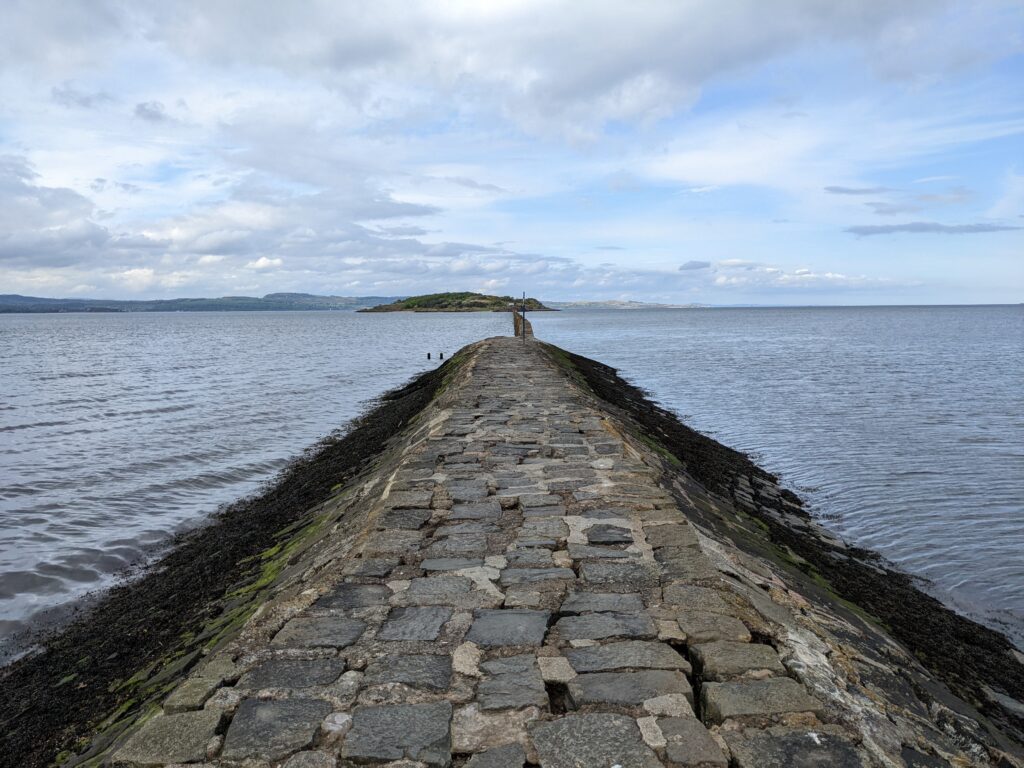
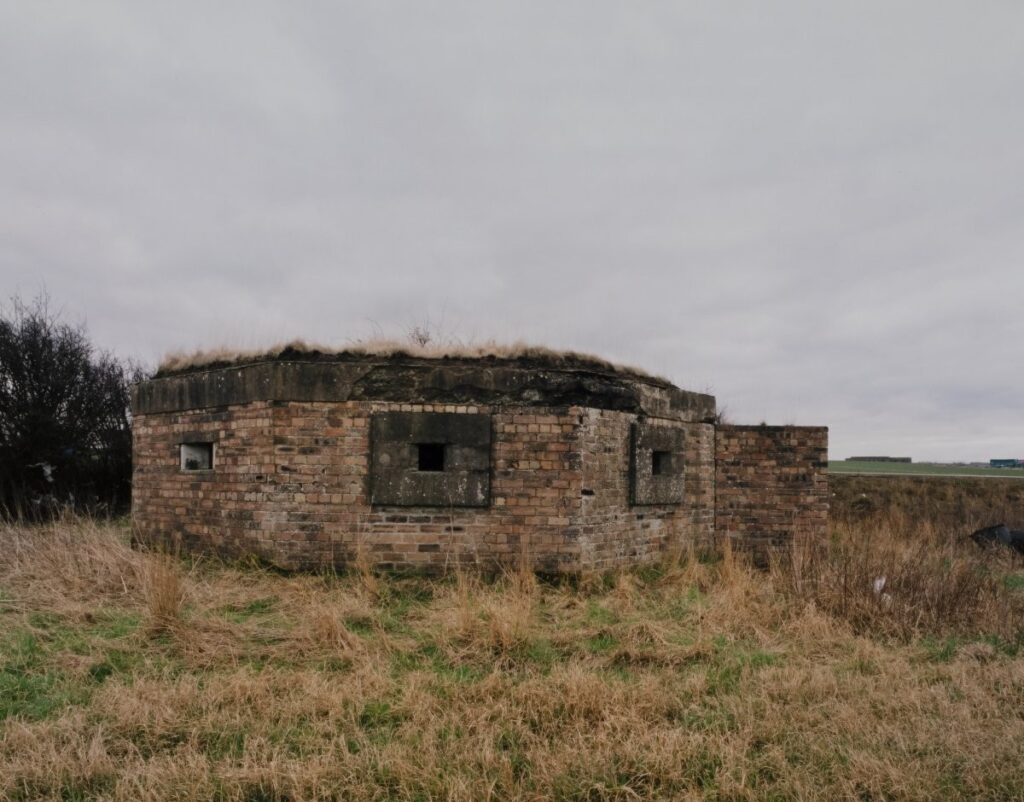
The 20th century brought significant changes to military defences. Communications developed significantly, and linked up systems of smaller defences (such as pill boxes) played a greater role. Attack from the sea remained a threat during the First and Second World Wars, and ambitious programmes of mine-fields and anti-submarine defences were laid in the Forth and along the coast in the early 20th century. For example, at the end of the 1930s an anti-shipping boom and associated concrete barrier was installed between Cramond Island and the mainland – the concrete supports of which can still be seen today (Dods 2006, 29-30).
The Second World War also saw large-scale use of aircraft by United Kingdom forces and foreign powers. The South East of Scotland saw a degree of development of airfields during the First World War, but these sites then underwent major expansion in the years around 1940. The former RAF training airfield at East Fortune has since been converted into the National Museum of Flight and the site is particularly well-preserved. In contrast, remains at other airfields, such as RAF Macmerry, are not primarily managed for heritage purposes. Many of the early 20th-century structures at Macmerry are relatively dilapidated, whilst modern development pressures mean that parts of the old airfield have been built upon in recent years.
Since 1945 the South East of Scotland has been relatively peaceful. However, for much of the late 20th century there were serious fears that tensions with the USSR and other Communist powers might develop into open warfare. As a result, the UK continued to invest in defence infrastructure, including preparing for the possibility of nuclear war. For example, Corstorphine Hill in Edinburgh was adapted during the mid-20th century to provide underground radar facilities (as part of the ROTOR scheme) and to serve as a potential headquarters for regional government in case of nuclear war.
The Corstorphine Hill site was subject to a fire in the early 1990s, and the future of many of the defensive structures of the Cold War is far from assured. Further interdisciplinary research into the post-1945 defences of South East Scotland would be desirable – although present day military priorities may place limits on what can be accessed.
Fortifications and Military Sites Research Questions
- What can we learn about coastal defences? How did they evolve during the modern period?
- How did the plan of military bases and camps evolve over the modern period?
- How did South East Scotland defend against aerial bombardment?
- What structures were built in South East Scotland to prepare for the threat of nuclear war?
- What can we learn about temporary military sites?