
The modern period has seen significant changes in customs regarding death and burial. The nineteenth century saw a growing emphasis on funerary monuments. Significantly, gravestones seem to have been commissioned by families and individuals further down the social scale than was typical in the post-medieval period. This expansion in access to monuments was partly enabled by a rise in mass production of gravestones. One aspect of the region’s nineteenth-century memorials which is of note is the presence of cast iron grave markers, with Cramond Kirkyard having a number of particularly fine examples.
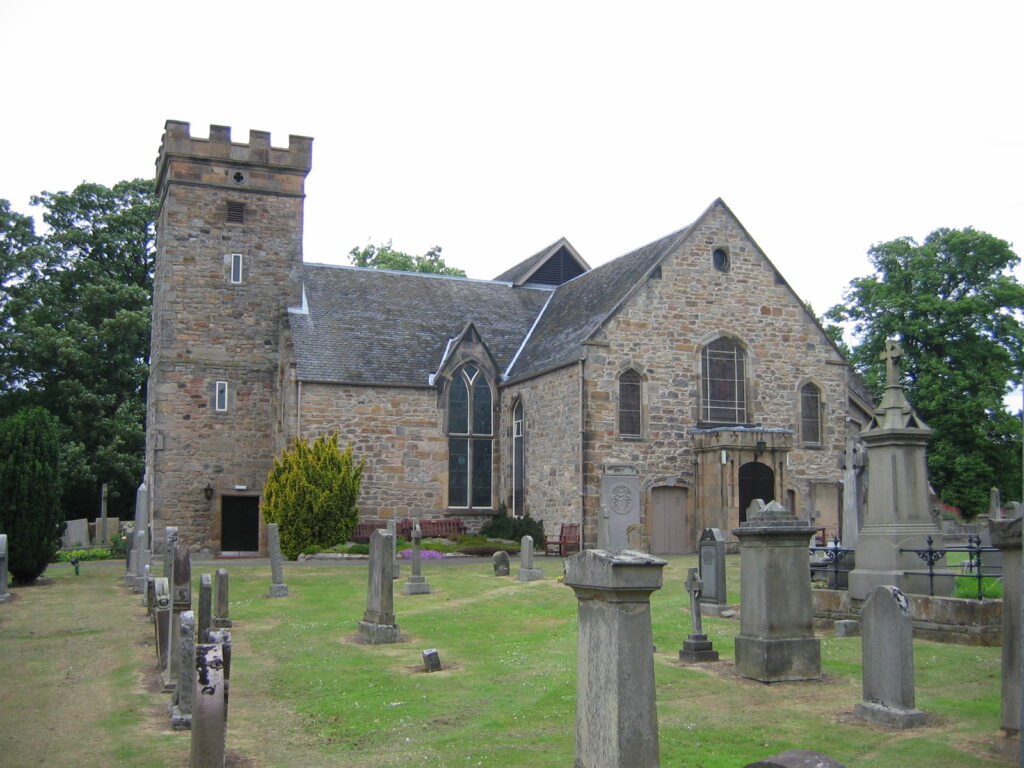
A wide range of styles inspired nineteenth-century funerary monuments, with influences from Egyptian, Greek, Roman, Celtic, and Medieval art and architecture all apparent on the memorials of South East Scotland. A combination of climate change, vandalism, and graveyard stabilization projects has meant that in recent years a large number of nineteenth-century grave markers have been damaged or destroyed. Although, a number of graveyard recording projects have taken place in the region, further projects of this nature, including photography and photogrammetry of monuments would be desirable.
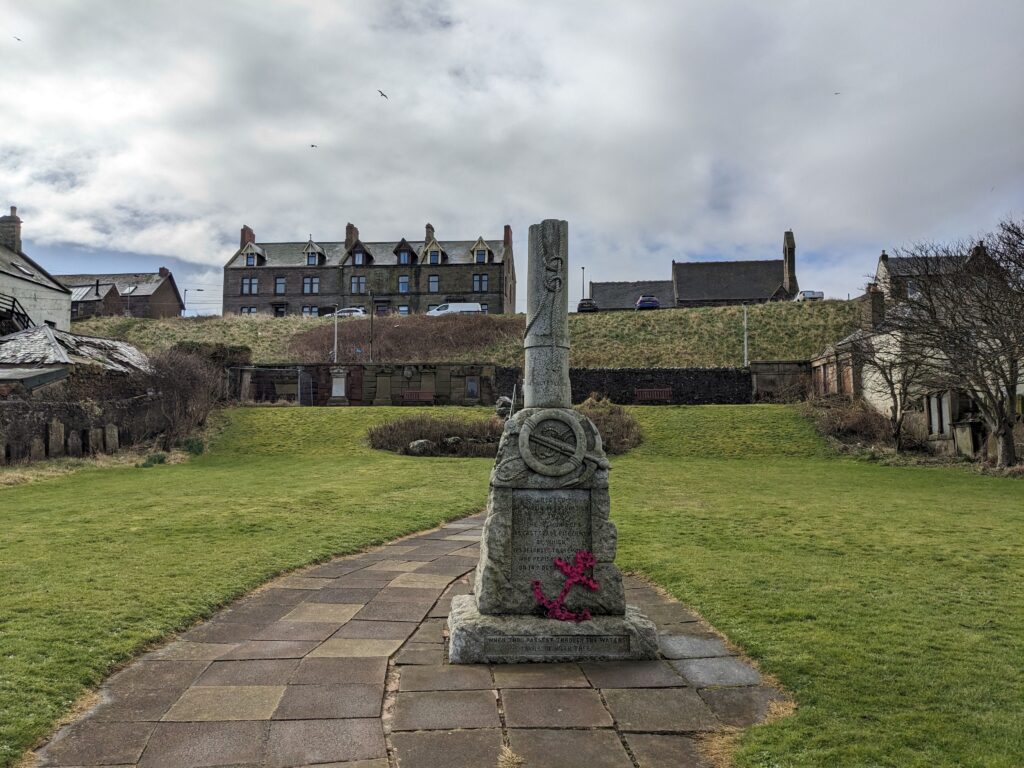
The modern period saw a significant expansion in burial grounds, and an increasing trend for cemeteries to be located in sites not directly adjacent to places of worship. This was arguably driven by a combination of larger populations and a degree of secularisation in society. Major epidemics in the nineteenth century led to the rapid filling up of some older graveyards. For example, the old graveyard at Eyemouth became over-full as a result of the cholera epidemic of 1849 (https://scotlandstartshere.com/point-of-interest/old-cemetery/). This led to the deliberate raising of the ground by several feet, and further burials being interred at this higher level. The old graveyard at Eyemouth also has the monument to the late nineteenth century fishing disaster – one of a number of examples of memorialization of tragedies in the period before the First World War. Further study of these types of monuments would be beneficial. In the corner of Eyemouth old graveyard stands a nineteenth-century watch house, constructed from re-used post-medieval tombstones. This reflects the concern about body-snatching – which was a particular issue for South East Scotland, in part because of Edinburgh University’s strong tradition in anatomy. Many of these watch houses are in poor repair. Greater study and recording of watch houses and other features in older cemeteries should be undertaken.
Partly because of the pressure on burial grounds, the twentieth century saw a growing push for cremation. The Edinburgh Cremation Society was founded in 1918, and in 1929 the region’s first crematorium opened at Warriston in Edinburgh. There is room for more research into how the rise in cremations has affected funerary customs and memorials, and the role that commemoration plays in shaping the landscape and buildings of South East Scotland.
Death and Burial Research Questions
- How did customs surrounding the treatment of the dead change over the modern period?
- To what extent did funerary monuments conform to national / international trends? Were there specific local / regional variations?
- Do funerary monuments in the region become increasingly standardised?
- What can we learn about the development of cremation in the region?
- What can we find out about non-Christian burials in the region? How do non-Christian and Christian burial patterns compare?